Loading the public record
Where They Stand is a nonpartisan guide to everyone running for Congress: their money, their own words and how incumbents voted. Find your ballot →
All recent votes118th CongressHouse
H.R. 1669VET–TEC Authorization Act of 2023
- Sponsor
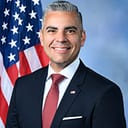
- Juan Ciscomani [R-AZ-06]
- Cosponsors
- 5 · 4 Republicans · 1 Democrat
- Policy area
- Armed Forces and National Security
- Committee
- Veterans' Affairs Committee
- Latest action
- May 30, 2023 · Received in the Senate and Read twice and referred to the Committee on Veterans' Affairs.
- IntroducedMar 21, 2023
- Passed the HouseMay 24, 2023
- Passed the SenateNot yet reached
- Sent to the PresidentNot yet reached
- Became lawNot yet reached
This bill addresses various Department of Veterans Affairs (VA) programs and benefits, including to continue a high technology program and provide burial and funeral allowances for certain veterans.
(Sec. 2) The VA must implement through FY2028 a program under which it provides up to 6,000 covered individuals per year the opportunity to enroll in high technology programs of education that provide non-degree training or skills related to computer programming, media application, data processing, or information sciences. A covered individual is a veteran who (1) the VA determines is under the age of 62, served an aggregate of at least 36 months on active duty, and was discharged or released from service under conditions other than dishonorable; or (2) will satisfy such requirements in fewer than 180 days after the VA's determination.
In administering the program, the VA must provide assistance to covered individuals in amounts equal to those provided to Post-9/11 GI Bill recipients who are pursuing a degree on more than a half-time basis.
(Sec. 3) The bill also requires the VA to provide a burial and funeral allowance for a veteran who dies in a home or other setting at which the veteran was receiving VA hospice care (if such care was directly preceded by VA hospital or nursing home care).
(Sec. 4) The bill provides that a rehabilitation program under the Veteran Readiness and Employment Program may include a program that includes flight training and does not lead to a degree.
(Sec. 5) This section imposes sole liability for overpayments of educational assistance under the Post-9/11 GI Bill on the individual who was eligible for such assistance in situations where the individual failed to complete a service agreement and transferred the entitlement to a dependent.
Filipino Education Fairness Act
(Sec. 6) This section increases the amount of educational assistance available to an individual pursuing a program of education under the Survivors' and Dependents' Educational Assistance (DEA) program at an institution located in the Philippines. Under current law, DEA educational assistance for an individual pursuing a program of education at an institution located in the Philippines is limited to $0.50 for each dollar. The bill makes an individual eligible for the full assistance amount.
(Sec. 7) The VA must provide eligibility and award documents related to specified VA educational assistance programs (e.g., the Post-9/11 GI Bill) in an electronic format. Specifically, the VA must electronically provide (1) a certificate of eligibility for an individual's entitlement to assistance, and (2) an award letter regarding the authorization to receive assistance.
An individual may elect to receive documents by mail and may revoke such an election at any time.
(Sec. 8) Finally, the bill extends certain loan fee rates through April 30, 2032, under the VA's home loan program.
Written by the nonpartisan Congressional Research Service, describing H.R. 1669 as passed House on May 24, 2023. It is not the text of the measure; a later amendment may have changed what it does.
House May 24, 2023
On Motion to Suspend the Rules and Pass, as Amended
VET-TEC Authorization Act
Passed · Two-thirds required
409 Yea 9 Nay 17 not voting
Crossed both parties 9 of 418 voting members broke with their own party: 1 Democrat, 8 Republicans.
How the chamber split
DemocratsRepublicansFilled: YeaRing: NayGrey: not voting or present
Showing 435 of 435 members
- DAlma S. AdamsNC-12 · DemocraticRunning in 2026Yea
- RRobert B. AderholtAL-04 · RepublicanRunning in 2026Yea
- DPete AguilarCA-33 · DemocraticRunning in 2026Yea
- RMark AlfordMO-04 · RepublicanRunning in 2026Not voting
- RRick W. AllenGA-12 · RepublicanRunning in 2026Yea
- DAllredTX · DemocraticYea
- RMark E. AmodeiNV-02 · RepublicanYea
- RArmstrongND · RepublicanYea
- RJodey C. ArringtonTX-19 · RepublicanYea
- DJake AuchinclossMA-04 · DemocraticRunning in 2026Not voting
- RBrian BabinTX-36 · RepublicanRunning in 2026Yea
- RDon BaconNE-02 · RepublicanYea
- RJames R. BairdIN-04 · RepublicanRunning in 2026Yea
- RTroy BaldersonOH-12 · RepublicanRunning in 2026Yea
- DBecca BalintVT-00 · DemocraticRunning in 2026Yea
- RBanksIN · RepublicanYea
- RAndy BarrKY-06 · RepublicanYea
- DNanette Diaz BarragánCA-44 · DemocraticRunning in 2026Yea
- RAaron BeanFL-04 · RepublicanRunning in 2026Yea
- DJoyce BeattyOH-03 · DemocraticRunning in 2026Yea
- RCliff BentzOR-02 · RepublicanRunning in 2026Yea
- DAmi BeraCA-06 · DemocraticRunning in 2026Yea
- RJack BergmanMI-01 · RepublicanRunning in 2026Yea
- DDonald S. Beyer, Jr.VA-08 · DemocraticRunning in 2026Not voting
- RStephanie I. BiceOK-05 · RepublicanRunning in 2026Yea
- RAndy BiggsAZ-05 · RepublicanBroke with party (Republican majority)Nay
- RGus M. BilirakisFL-12 · RepublicanRunning in 2026Yea
- DSanford D. Bishop, Jr.GA-02 · DemocraticRunning in 2026Yea
- RBishop (NC)NC · RepublicanYea
- DBlumenauerOR · DemocraticYea
- DBlunt RochesterDE · DemocraticYea
- RLauren BoebertCO-04 · RepublicanRunning in 2026Yea
- DSuzanne BonamiciOR-01 · DemocraticRunning in 2026Yea
- RMike BostIL-12 · RepublicanRunning in 2026Yea
- DBowmanNY · DemocraticYea
- DBrendan F. BoylePA-02 · DemocraticRunning in 2026Yea
- RJosh BrecheenOK-02 · RepublicanBroke with party (Republican majority)Running in 2026Nay
- DShontel M. BrownOH-11 · DemocraticRunning in 2026Yea
- DJulia BrownleyCA-26 · DemocraticYea
- RVern BuchananFL-16 · RepublicanYea
- RBuckCO · RepublicanYea
- RBucshonIN · RepublicanYea
- DNikki BudzinskiIL-13 · DemocraticRunning in 2026Yea
- RTim BurchettTN-02 · RepublicanRunning in 2026Yea
- RBurgessTX · RepublicanYea
- REric BurlisonMO-07 · RepublicanRunning in 2026Yea
- DBushMO · DemocraticYea
- RKen CalvertCA-41 · RepublicanRunning in 2026Yea
- RKat CammackFL-03 · RepublicanRunning in 2026Yea
- DCaraveoCO · DemocraticYea
- DSalud O. CarbajalCA-24 · DemocraticRunning in 2026Yea
- DCárdenasCA · DemocraticYea
- RMike CareyOH-15 · RepublicanRunning in 2026Yea
- RCarlAL · RepublicanYea
- DAndré CarsonIN-07 · DemocraticRunning in 2026Yea
- REarl L. "Buddy" CarterGA-01 · RepublicanYea
- DTroy A. CarterLA-02 · DemocraticRunning in 2026Yea
- RJohn R. CarterTX-31 · RepublicanRunning in 2026Yea
- DCartwrightPA · DemocraticYea
- DGreg CasarTX-35 · DemocraticRunning in 2026Yea
- DEd CaseHI-01 · DemocraticRunning in 2026Yea
- DSean CastenIL-06 · DemocraticRunning in 2026Yea
- DKathy CastorFL-14 · DemocraticRunning in 2026Yea
- DJoaquin CastroTX-20 · DemocraticRunning in 2026Yea
- RChavez-DeRemerOR · RepublicanYea
- DCherfilus-McCormickFL · DemocraticYea
- DJudy ChuCA-28 · DemocraticRunning in 2026Yea
- DCicillineRI · DemocraticYea
- RJuan CiscomaniAZ-06 · RepublicanRunning in 2026Yea
- DKatherine M. ClarkMA-05 · DemocraticRunning in 2026Yea
- DYvette D. ClarkeNY-09 · DemocraticRunning in 2026Yea
- DEmanuel CleaverMO-05 · DemocraticRunning in 2026Yea
- RBen ClineVA-06 · RepublicanRunning in 2026Yea
- RMichael CloudTX-27 · RepublicanRunning in 2026Yea
- DJames E. ClyburnSC-06 · DemocraticRunning in 2026Yea
- RAndrew S. ClydeGA-09 · RepublicanBroke with party (Republican majority)Running in 2026Nay
- DSteve CohenTN-09 · DemocraticRunning in 2026Yea
- RTom ColeOK-04 · RepublicanRunning in 2026Yea
- RMike CollinsGA-10 · RepublicanYea
- RJames ComerKY-01 · RepublicanRunning in 2026Yea
- DConnollyVA · DemocraticYea
- DJ. Luis CorreaCA-46 · DemocraticRunning in 2026Yea
- DJim CostaCA-21 · DemocraticRunning in 2026Yea
- DJoe CourtneyCT-02 · DemocraticRunning in 2026Yea
- DAngie CraigMN-02 · DemocraticYea
- RElijah CraneAZ-02 · RepublicanRunning in 2026Yea
- REric A. "Rick" CrawfordAR-01 · RepublicanRunning in 2026Yea
- RDan CrenshawTX-02 · RepublicanRunning in 2026Yea
- DJasmine CrockettTX-30 · DemocraticYea
- DJason CrowCO-06 · DemocraticRunning in 2026Yea
- DHenry CuellarTX-28 · DemocraticRunning in 2026Yea
- RCurtisUT · RepublicanYea
- RD'EspositoNY · RepublicanYea
- DSharice DavidsKS-03 · DemocraticRunning in 2026Yea
- RWarren DavidsonOH-08 · RepublicanRunning in 2026Yea
- DDanny K. DavisIL-07 · DemocraticYea
- DDonald G. DavisNC-01 · DemocraticRunning in 2026Yea
- RMonica De La CruzTX-15 · RepublicanRunning in 2026Yea
- DMadeleine DeanPA-04 · DemocraticRunning in 2026Yea
- DDiana DeGetteCO-01 · DemocraticRunning in 2026Yea
- DRosa L. DeLauroCT-03 · DemocraticRunning in 2026Yea
- DSuzan K. DelBeneWA-01 · DemocraticRunning in 2026Yea
- DChristopher R. DeluzioPA-17 · DemocraticRunning in 2026Yea
- DMark DeSaulnierCA-10 · DemocraticRunning in 2026Yea
- RScott DesJarlaisTN-04 · RepublicanRunning in 2026Yea
- RMario Diaz-BalartFL-26 · RepublicanRunning in 2026Yea
- DDebbie DingellMI-06 · DemocraticRunning in 2026Yea
- DLloyd DoggettTX-37 · DemocraticYea
- RByron DonaldsFL-19 · RepublicanYea
- RDuarteCA · RepublicanYea
- RDuncanSC · RepublicanYea
- RNeal P. DunnFL-02 · RepublicanYea
- RChuck EdwardsNC-11 · RepublicanRunning in 2026Yea
- RJake EllzeyTX-06 · RepublicanRunning in 2026Yea
- RTom EmmerMN-06 · RepublicanRunning in 2026Yea
- DVeronica EscobarTX-16 · DemocraticRunning in 2026Yea
- DEshooCA · DemocraticYea
- DAdriano EspaillatNY-13 · DemocraticRunning in 2026Yea
- RRon EstesKS-04 · RepublicanRunning in 2026Yea
- DDwight EvansPA-03 · DemocraticYea
- RMike EzellMS-04 · RepublicanRunning in 2026Yea
- RPat FallonTX-04 · RepublicanRunning in 2026Yea
- RRandy FeenstraIA-04 · RepublicanYea
- RFergusonGA · RepublicanYea
- RBrad FinstadMN-01 · RepublicanRunning in 2026Yea
- RMichelle FischbachMN-07 · RepublicanRunning in 2026Yea
- RScott FitzgeraldWI-05 · RepublicanRunning in 2026Yea
- RBrian K. FitzpatrickPA-01 · RepublicanRunning in 2026Yea
- RCharles J. "Chuck" FleischmannTN-03 · RepublicanRunning in 2026Yea
- DLizzie FletcherTX-07 · DemocraticRunning in 2026Yea
- RMike FloodNE-01 · RepublicanRunning in 2026Yea
- DBill FosterIL-11 · DemocraticRunning in 2026Yea
- DValerie P. FousheeNC-04 · DemocraticRunning in 2026Yea
- RVirginia FoxxNC-05 · RepublicanRunning in 2026Yea
- DLois FrankelFL-22 · DemocraticRunning in 2026Yea
- RScott FranklinFL-18 · RepublicanRunning in 2026Yea
- DMaxwell FrostFL-10 · DemocraticRunning in 2026Yea
- RRussell FrySC-07 · RepublicanRunning in 2026Yea
- RRuss FulcherID-01 · RepublicanRunning in 2026Yea
- RGaetzFL · RepublicanYea
- RGallagherWI · RepublicanYea
- DGallegoAZ · DemocraticYea
- DJohn GaramendiCA-08 · DemocraticRunning in 2026Yea
- RAndrew R. GarbarinoNY-02 · RepublicanRunning in 2026Yea
- DRobert GarciaCA-42 · DemocraticRunning in 2026Not voting
- DSylvia R. GarciaTX-29 · DemocraticRunning in 2026Yea
- DJesús G. "Chuy" GarcíaIL-04 · DemocraticYea
- RGarcia, MikeCA · RepublicanYea
- RCarlos A. GimenezFL-28 · RepublicanRunning in 2026Yea
- DJared F. GoldenME-02 · DemocraticYea
- DDaniel S. GoldmanNY-10 · DemocraticRunning in 2026Yea
- DJimmy GomezCA-34 · DemocraticRunning in 2026Yea
- RGonzales, TonyTX · RepublicanYea
- DVicente GonzalezTX-34 · DemocraticRunning in 2026Yea
- RGood (VA)VA · RepublicanYea
- RLance GoodenTX-05 · RepublicanRunning in 2026Yea
- RPaul A. GosarAZ-09 · RepublicanBroke with party (Republican majority)Running in 2026Nay
- DJosh GottheimerNJ-05 · DemocraticRunning in 2026Yea
- RGrangerTX · RepublicanYea
- RSam GravesMO-06 · RepublicanYea
- RGraves (LA)LA · RepublicanYea
- DAl GreenTX-09 · DemocraticRunning in 2026Yea
- RGreen (TN)TN · RepublicanYea
- RGreene (GA)GA · RepublicanYea
- RH. Morgan GriffithVA-09 · RepublicanRunning in 2026Yea
- DGrijalvaAZ · DemocraticYea
- RGlenn GrothmanWI-06 · RepublicanRunning in 2026Yea
- RMichael GuestMS-03 · RepublicanRunning in 2026Yea
- RBrett GuthrieKY-02 · RepublicanRunning in 2026Yea
- RHarriet M. HagemanWY-00 · RepublicanBroke with party (Republican majority)Nay
- DJosh HarderCA-09 · DemocraticRunning in 2026Yea
- RAndy HarrisMD-01 · RepublicanBroke with party (Republican majority)Running in 2026Nay
- RDiana HarshbargerTN-01 · RepublicanRunning in 2026Yea
- DJahana HayesCT-05 · DemocraticRunning in 2026Yea
- RKevin HernOK-01 · RepublicanYea
- RClay HigginsLA-03 · RepublicanRunning in 2026Yea
- DHiggins (NY)NY · DemocraticYea
- RJ. French HillAR-02 · RepublicanRunning in 2026Not voting
- DJames A. HimesCT-04 · DemocraticRunning in 2026Yea
- RAshley HinsonIA-02 · RepublicanYea
- DSteven HorsfordNV-04 · DemocraticRunning in 2026Yea
- RErin HouchinIN-09 · RepublicanRunning in 2026Yea
- DChrissy HoulahanPA-06 · DemocraticRunning in 2026Yea
- DSteny H. HoyerMD-05 · DemocraticYea
- DVal T. HoyleOR-04 · DemocraticRunning in 2026Yea
- RRichard HudsonNC-09 · RepublicanRunning in 2026Yea
- DJared HuffmanCA-02 · DemocraticRunning in 2026Yea
- RBill HuizengaMI-04 · RepublicanRunning in 2026Yea
- RWesley HuntTX-38 · RepublicanYea
- RDarrell IssaCA-48 · RepublicanYea
- DGlenn IveyMD-04 · DemocraticRunning in 2026Yea
- DJonathan L. JacksonIL-01 · DemocraticRunning in 2026Yea
- RRonny JacksonTX-13 · RepublicanRunning in 2026Yea
- DJackson (NC)NC · DemocraticYea
- DJackson LeeTX · DemocraticYea
- DSara JacobsCA-51 · DemocraticRunning in 2026Yea
- RJohn JamesMI-10 · RepublicanYea
- DPramila JayapalWA-07 · DemocraticRunning in 2026Yea
- DHakeem S. JeffriesNY-08 · DemocraticRunning in 2026Yea
- DHenry C. "Hank" Johnson, Jr.GA-04 · DemocraticRunning in 2026Yea
- RMike JohnsonLA-04 · RepublicanRunning in 2026Yea
- RDusty JohnsonSD-00 · RepublicanYea
- RJohnson (OH)OH · RepublicanYea
- RJim JordanOH-04 · RepublicanRunning in 2026Yea
- RDavid P. JoyceOH-14 · RepublicanRunning in 2026Yea
- RJohn JoycePA-13 · RepublicanRunning in 2026Yea
- DSydney Kamlager-DoveCA-37 · DemocraticRunning in 2026Yea
- DMarcy KapturOH-09 · DemocraticRunning in 2026Yea
- RThomas H. Kean, Jr.NJ-07 · RepublicanRunning in 2026Yea
- DWilliam R. KeatingMA-09 · DemocraticRunning in 2026Yea
- DRobin L. KellyIL-02 · DemocraticYea
- RTrent KellyMS-01 · RepublicanRunning in 2026Yea
- RMike KellyPA-16 · RepublicanRunning in 2026Yea
- DRo KhannaCA-17 · DemocraticRunning in 2026Yea
- RJennifer A. KiggansVA-02 · RepublicanRunning in 2026Yea
- DKildeeMI · DemocraticYea
- RKevin KileyCA-03 · RepublicanRunning in 2026Yea
- DKilmerWA · DemocraticYea
- RYoung KimCA-40 · RepublicanRunning in 2026Yea
- DKim (NJ)NJ · DemocraticYea
- DRaja KrishnamoorthiIL-08 · DemocraticYea
- DKusterNH · DemocraticYea
- RDavid KustoffTN-08 · RepublicanRunning in 2026Yea
- RDarin LaHoodIL-16 · RepublicanRunning in 2026Yea
- RNick LaLotaNY-01 · RepublicanRunning in 2026Yea
- RLaMalfaCA · RepublicanYea
- RLambornCO · RepublicanYea
- DGreg LandsmanOH-01 · DemocraticRunning in 2026Yea
- RNicholas A. LangworthyNY-23 · RepublicanRunning in 2026Yea
- DRick LarsenWA-02 · DemocraticRunning in 2026Yea
- DJohn B. LarsonCT-01 · DemocraticRunning in 2026Not voting
- RRobert E. LattaOH-05 · RepublicanRunning in 2026Yea
- RLaTurnerKS · RepublicanYea
- RMichael LawlerNY-17 · RepublicanRunning in 2026Yea
- RLaurel M. LeeFL-15 · RepublicanRunning in 2026Yea
- DSusie LeeNV-03 · DemocraticRunning in 2026Yea
- DSummer L. LeePA-12 · DemocraticRunning in 2026Yea
- DLee (CA)CA · DemocraticYea
- DTeresa Leger FernandezNM-03 · DemocraticRunning in 2026Yea
- RLeskoAZ · RepublicanYea
- RJulia LetlowLA-05 · RepublicanYea
- DMike LevinCA-49 · DemocraticRunning in 2026Yea
- DTed LieuCA-36 · DemocraticRunning in 2026Yea
- DZoe LofgrenCA-18 · DemocraticRunning in 2026Yea
- RBarry LoudermilkGA-11 · RepublicanYea
- RFrank D. LucasOK-03 · RepublicanRunning in 2026Yea
- RLuetkemeyerMO · RepublicanYea
- RAnna Paulina LunaFL-13 · RepublicanRunning in 2026Not voting
- RMorgan LuttrellTX-08 · RepublicanYea
- DStephen F. LynchMA-08 · DemocraticRunning in 2026Yea
- RNancy MaceSC-01 · RepublicanYea
- DSeth MagazinerRI-02 · DemocraticRunning in 2026Yea
- RNicole MalliotakisNY-11 · RepublicanRunning in 2026Yea
- RTracey MannKS-01 · RepublicanRunning in 2026Yea
- DManningNC · DemocraticYea
- RThomas MassieKY-04 · RepublicanRunning in 2026Yea
- RBrian J. MastFL-21 · RepublicanRunning in 2026Yea
- DDoris O. MatsuiCA-07 · DemocraticRunning in 2026Yea
- DLucy McBathGA-06 · DemocraticRunning in 2026Yea
- RMcCarthyCA · RepublicanYea
- RMichael T. McCaulTX-10 · RepublicanYea
- RLisa C. McClainMI-09 · RepublicanRunning in 2026Yea
- DJennifer L. McClellanVA-04 · DemocraticRunning in 2026Yea
- RTom McClintockCA-05 · RepublicanRunning in 2026Yea
- DBetty McCollumMN-04 · DemocraticRunning in 2026Yea
- RRichard McCormickGA-07 · RepublicanBroke with party (Republican majority)Running in 2026Nay
- DMorgan McGarveyKY-03 · DemocraticRunning in 2026Yea
- DJames P. McGovernMA-02 · DemocraticRunning in 2026Yea
- RMcHenryNC · RepublicanYea
- DGregory W. MeeksNY-05 · DemocraticRunning in 2026Yea
- DRobert MenendezNJ-08 · DemocraticRunning in 2026Yea
- DGrace MengNY-06 · DemocraticRunning in 2026Yea
- RDaniel MeuserPA-09 · RepublicanRunning in 2026Yea
- DKweisi MfumeMD-07 · DemocraticRunning in 2026Yea
- RMary E. MillerIL-15 · RepublicanRunning in 2026Yea
- RMax L. MillerOH-07 · RepublicanRunning in 2026Yea
- RCarol D. MillerWV-01 · RepublicanRunning in 2026Yea
- RMariannette Miller-MeeksIA-01 · RepublicanRunning in 2026Yea
- RCory MillsFL-07 · RepublicanRunning in 2026Yea
- RMolinaroNY · RepublicanYea
- RJohn R. MoolenaarMI-02 · RepublicanRunning in 2026Yea
- RMooneyWV · RepublicanNot voting
- RBarry MooreAL-01 · RepublicanYea
- RBlake D. MooreUT-01 · RepublicanRunning in 2026Yea
- DGwen MooreWI-04 · DemocraticRunning in 2026Yea
- RNathaniel MoranTX-01 · RepublicanRunning in 2026Yea
- DJoseph D. MorelleNY-25 · DemocraticRunning in 2026Yea
- DJared MoskowitzFL-23 · DemocraticRunning in 2026Yea
- DSeth MoultonMA-06 · DemocraticYea
- DFrank J. MrvanIN-01 · DemocraticRunning in 2026Yea
- DKevin MullinCA-15 · DemocraticRunning in 2026Yea
- RGregory F. MurphyNC-03 · RepublicanRunning in 2026Yea
- DJerrold NadlerNY-12 · DemocraticYea
- DNapolitanoCA · DemocraticNot voting
- DRichard E. NealMA-01 · DemocraticRunning in 2026Yea
- DJoe NeguseCO-02 · DemocraticRunning in 2026Not voting
- RTroy E. NehlsTX-22 · RepublicanYea
- RDan NewhouseWA-04 · RepublicanYea
- DNickelNC · DemocraticYea
- DDonald NorcrossNJ-01 · DemocraticRunning in 2026Yea
- RRalph NormanSC-05 · RepublicanYea
- RZachary NunnIA-03 · RepublicanRunning in 2026Yea
- RJay ObernolteCA-23 · RepublicanRunning in 2026Not voting
- DAlexandria Ocasio-CortezNY-14 · DemocraticRunning in 2026Yea
- RAndrew OglesTN-05 · RepublicanRunning in 2026Not voting
- DIlhan OmarMN-05 · DemocraticRunning in 2026Yea
- RBurgess OwensUT-04 · RepublicanYea
- DFrank Pallone, Jr.NJ-06 · DemocraticRunning in 2026Yea
- RGary J. PalmerAL-06 · RepublicanRunning in 2026Yea
- DJimmy PanettaCA-19 · DemocraticRunning in 2026Yea
- DChris PappasNH-01 · DemocraticYea
- DPascrellNJ · DemocraticYea
- DPayneNJ · DemocraticYea
- DNancy PelosiCA-11 · DemocraticYea
- DPeltolaAK · DemocraticYea
- RPenceIN · RepublicanYea
- DMarie Gluesenkamp PerezWA-03 · DemocraticRunning in 2026Yea
- RScott PerryPA-10 · RepublicanRunning in 2026Yea
- DScott H. PetersCA-50 · DemocraticRunning in 2026Yea
- DBrittany PettersenCO-07 · DemocraticRunning in 2026Yea
- RAugust PflugerTX-11 · RepublicanRunning in 2026Yea
- DPhillipsMN · DemocraticYea
- DChellie PingreeME-01 · DemocraticRunning in 2026Yea
- DMark PocanWI-02 · DemocraticRunning in 2026Yea
- DPorterCA · DemocraticYea
- RPoseyFL · RepublicanYea
- DAyanna PressleyMA-07 · DemocraticRunning in 2026Yea
- DMike QuigleyIL-05 · DemocraticRunning in 2026Not voting
- DDelia C. RamirezIL-03 · DemocraticRunning in 2026Yea
- DJamie RaskinMD-08 · DemocraticRunning in 2026Yea
- RGuy ReschenthalerPA-14 · RepublicanRunning in 2026Yea
- RRodgers (WA)WA · RepublicanYea
- RMike RogersAL-03 · RepublicanRunning in 2026Yea
- RHarold RogersKY-05 · RepublicanRunning in 2026Yea
- RJohn W. RoseTN-06 · RepublicanYea
- RRosendaleMT · RepublicanYea
- DDeborah K. RossNC-02 · DemocraticRunning in 2026Yea
- RDavid RouzerNC-07 · RepublicanRunning in 2026Yea
- RChip RoyTX-21 · RepublicanBroke with party (Republican majority)Nay
- DRaul RuizCA-25 · DemocraticRunning in 2026Yea
- DRuppersbergerMD · DemocraticYea
- RJohn H. RutherfordFL-05 · RepublicanRunning in 2026Yea
- DPatrick RyanNY-18 · DemocraticRunning in 2026Yea
- RMaria Elvira SalazarFL-27 · RepublicanRunning in 2026Yea
- DAndrea SalinasOR-06 · DemocraticRunning in 2026Yea
- DLinda T. SánchezCA-38 · DemocraticRunning in 2026Yea
- RSantosNY · RepublicanYea
- DSarbanesMD · DemocraticYea
- RSteve ScaliseLA-01 · RepublicanRunning in 2026Yea
- DMary Gay ScanlonPA-05 · DemocraticRunning in 2026Not voting
- DJanice D. SchakowskyIL-09 · DemocraticYea
- DSchiffCA · DemocraticYea
- DBradley Scott SchneiderIL-10 · DemocraticRunning in 2026Yea
- DHillary J. ScholtenMI-03 · DemocraticRunning in 2026Yea
- DKim SchrierWA-08 · DemocraticRunning in 2026Not voting
- RDavid SchweikertAZ-01 · RepublicanYea
- RAustin ScottGA-08 · RepublicanRunning in 2026Yea
- DRobert C. "Bobby" ScottVA-03 · DemocraticRunning in 2026Yea
- DScott, DavidGA · DemocraticYea
- RKeith SelfTX-03 · RepublicanRunning in 2026Yea
- RPete SessionsTX-17 · RepublicanRunning in 2026Yea
- DTerri A. SewellAL-07 · DemocraticRunning in 2026Yea
- DBrad ShermanCA-32 · DemocraticRunning in 2026Yea
- DSherrillNJ · DemocraticYea
- RMichael K. SimpsonID-02 · RepublicanRunning in 2026Not voting
- DSlotkinMI · DemocraticYea
- RJason SmithMO-08 · RepublicanRunning in 2026Yea
- RAdrian SmithNE-03 · RepublicanRunning in 2026Yea
- RChristopher H. SmithNJ-04 · RepublicanRunning in 2026Yea
- DAdam SmithWA-09 · DemocraticRunning in 2026Yea
- RLloyd SmuckerPA-11 · RepublicanRunning in 2026Yea
- DEric SorensenIL-17 · DemocraticRunning in 2026Yea
- DDarren SotoFL-09 · DemocraticRunning in 2026Yea
- DSpanbergerVA · DemocraticBroke with party (Democratic majority)Nay
- RVictoria SpartzIN-05 · RepublicanRunning in 2026Yea
- DMelanie A. StansburyNM-01 · DemocraticRunning in 2026Yea
- DGreg StantonAZ-04 · DemocraticRunning in 2026Yea
- RPete StauberMN-08 · RepublicanRunning in 2026Yea
- RSteelCA · RepublicanYea
- RElise M. StefanikNY-21 · RepublicanYea
- RBryan SteilWI-01 · RepublicanRunning in 2026Yea
- RW. Gregory SteubeFL-17 · RepublicanRunning in 2026Yea
- DHaley M. StevensMI-11 · DemocraticYea
- RStewartUT · RepublicanYea
- DMarilyn StricklandWA-10 · DemocraticRunning in 2026Yea
- RDale W. StrongAL-05 · RepublicanRunning in 2026Yea
- DSwalwellCA · DemocraticYea
- DEmilia Strong SykesOH-13 · DemocraticRunning in 2026Yea
- DMark TakanoCA-39 · DemocraticRunning in 2026Yea
- RClaudia TenneyNY-24 · RepublicanRunning in 2026Yea
- DShri ThanedarMI-13 · DemocraticRunning in 2026Yea
- DMike ThompsonCA-04 · DemocraticRunning in 2026Yea
- DBennie G. ThompsonMS-02 · DemocraticRunning in 2026Yea
- RGlenn ThompsonPA-15 · RepublicanRunning in 2026Yea
- RThomas P. TiffanyWI-07 · RepublicanYea
- RWilliam R. Timmons IVSC-04 · RepublicanRunning in 2026Yea
- DDina TitusNV-01 · DemocraticRunning in 2026Yea
- DRashida TlaibMI-12 · DemocraticRunning in 2026Yea
- DJill N. TokudaHI-02 · DemocraticRunning in 2026Yea
- DPaul TonkoNY-20 · DemocraticRunning in 2026Yea
- DNorma J. TorresCA-35 · DemocraticRunning in 2026Yea
- DRitchie TorresNY-15 · DemocraticRunning in 2026Yea
- DLori TrahanMA-03 · DemocraticRunning in 2026Yea
- DTroneMD · DemocraticYea
- RMichael R. TurnerOH-10 · RepublicanRunning in 2026Yea
- DLauren UnderwoodIL-14 · DemocraticRunning in 2026Yea
- RDavid G. ValadaoCA-22 · RepublicanRunning in 2026Yea
- RJefferson Van DrewNJ-02 · RepublicanRunning in 2026Yea
- RBeth Van DuyneTX-24 · RepublicanRunning in 2026Yea
- RDerrick Van OrdenWI-03 · RepublicanRunning in 2026Yea
- DJuan VargasCA-52 · DemocraticRunning in 2026Not voting
- DGabe VasquezNM-02 · DemocraticRunning in 2026Yea
- DMarc A. VeaseyTX-33 · DemocraticYea
- DNydia M. VelázquezNY-07 · DemocraticYea
- RAnn WagnerMO-02 · RepublicanRunning in 2026Yea
- RTim WalbergMI-05 · RepublicanRunning in 2026Yea
- RWaltzFL · RepublicanYea
- DDebbie Wasserman SchultzFL-25 · DemocraticRunning in 2026Yea
- DMaxine WatersCA-43 · DemocraticRunning in 2026Yea
- DBonnie Watson ColemanNJ-12 · DemocraticYea
- RRandy K. Weber, Sr.TX-14 · RepublicanRunning in 2026Yea
- RDaniel WebsterFL-11 · RepublicanRunning in 2026Yea
- RWenstrupOH · RepublicanYea
- RBruce WestermanAR-04 · RepublicanRunning in 2026Yea
- DWextonVA · DemocraticYea
- DWildPA · DemocraticYea
- DNikema WilliamsGA-05 · DemocraticRunning in 2026Yea
- RRoger WilliamsTX-25 · RepublicanRunning in 2026Yea
- RWilliams (NY)NY · RepublicanYea
- DFrederica S. WilsonFL-24 · DemocraticYea
- RJoe WilsonSC-02 · RepublicanRunning in 2026Yea
- RRobert J. WittmanVA-01 · RepublicanRunning in 2026Yea
- RSteve WomackAR-03 · RepublicanRunning in 2026Yea
- RRudy Yakym IIIIN-02 · RepublicanRunning in 2026Yea
- RRyan K. ZinkeMT-01 · RepublicanYea
435 members on this roll call, from the official House record. Party majorities need at least five voting members, so an independent never counts as breaking with a party.
Signing on is not a vote: a member can cosponsor H.R. 1669 and vote against it. 2 signed when it was filed.
DRo Khanna [D-CA-17]
RMike Bost [R-IL-12]
RDerrick Van Orden [R-WI-03]
RJerry Carl [R-AL-01]
RGregory F. Murphy [R-NC-03]