Loading this candidate’s profile from the FEC filings and campaign records.
Where They Stand is a nonpartisan guide to everyone running for Congress: their money, their own words and how incumbents voted. Find your ballot →
Candidates › IL-13 race › 2025–2026
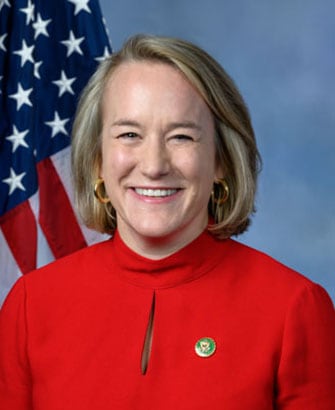
Nikki Budzinski
D Democratic nominee for U.S. House, IL-13
Representative since 2023
Other accounts (2)
The same platforms’ other accounts, such as a congressional office’s or an earlier campaign’s.
- On the ballot
- On the general election ballotNov 3, 2026 · Illinois US House 13
- Where to vote
- Find your polling place (opens in a new tab) · More ways to vote
- Top priorities
- Standing with Workers
- Lowering Costs
- Creating Jobs
- Supporting Family Farmers
- Advocating for Veterans
- In Congress
- Representative since 2023 · votes with their party 95% of the time. See the record · Office phone 202-225-2371
- Money
- $3.7M raised, $2.5M spent, $3M cash on hand (through Oct 14, 2026). Where it comes from
- Who gives
- 6.7% of individual money from donors at $200 or less · 52% from Illinois · largest committee giver ULLICO INC. POLITICAL ACTION COMMITTEE (ULLIPAC), $15K
- Outside groups
- $84K supporting Budzinski
- Backed by
- Planned Parenthood Action Fund · LGBTQ Equality PAC · LCV Action Fund and 17 more. As the campaign lists them
- Sponsored most in
- Armed Forces and National Security, Agriculture and Food, Government Operations and Politics
14 priorities from nikkiforcongress.com, in the order they are listed there. Every heading and the text under it is copied exactly, as one passage for each page it is from, and links to that place on the page; hover a source to see which passage it opens.
STANDING WITH WORKING FAMILIES ↗ (opens nikkiforcongress.com/issues/standing-with-workers at this heading)
I’ve spent my entire career fighting for workers and their families. And as a dues-paying member of the United Food and Commercial Workers Union, I’ve continued this fight in Congress, where I’m focused on passing the PRO Act to protect workers’ rights and improving pathways to good-paying jobs in Central and Southern Illinois.
Over the last year, we’ve witnessed unprecedented attacks on the federal workforce. That’s why I’ve stood arm-in-arm with them and made clear their hardfought rights will not be ripped away.
- The first bill I introduced in Congress was bipartisan legislation to help workers without college degrees earn higher wages through apprenticeship and pre-apprenticeship programs. My Leveraging and Energizing America’s Apprenticeship Programs (LEAP) Act will create more apprenticeship opportunities for workers and encourage businesses to invest in their workers.
- After hearing about the upfront cost of purchasing tools for folks interested in pursuing a career in the building trades, I introduced the bipartisan Tools Tax Deduction Act to make it easier for apprenticeship employees and construction workers to afford the equipment their jobs require.
- When our service members return home, it’s critical that we help them find good-paying careers. I’ve introduced bipartisan legislation to expand veterans’ access to jobs in science, technology and health care by making it easier to access STEM scholarships.
- When U.S. Steel refused to commit to future investments at Granite City Works and raised the possibility of a shutdown, we stood up and fought back. I was proud to stand alongside the United Steelworkers and the Granite City community to hold U.S. Steel accountable. Together, we secured the restart of the blast furnace and the return of 400 good-paying union jobs.
- After Akorn Pharmaceuticals left working families high and dry with a surprise closure of their Decatur facility, I introduced the Fair Warning Act to strengthen advance notice requirements and ensure that companies are treating working people with the dignity and respect they deserve. I also worked with state and local leaders to successfully attract a new employer to restore jobs at the facility.
- When I’m back home, families tell me every day about the challenges of finding and affording quality child care. The child care workforce remains one of the slowest sectors to recover from the pandemic, and far too many child care workers are still paid wages that don’t reflect the essential work they do. That’s why I’ve been proud to champion investments in our child care system, including cosponsoring the Child Care Stabilization Act to strengthen child care programs, support workers, and help ensure families can access the care they need.
source ↗ (opens the page at this passage) · nikkiforcongress.com/issues/standing-with-workers
Working families in Illinois and across the country are being squeezed by high prices at the grocery store and the gas pump. It’s frustrating — but it doesn’t have to be this way.
While the Trump Administration wreaks havoc on the pocketbooks of folks in Illinois 13, I’m working to bring costs down and give our families and small businesses some breathing room.
- As too many of our families continue to struggle with the extreme cost of child care, we need a middle class tax cut. I’m a proud cosponsor of the American Family Act which would create a permanent tax cut for working parents.
- Representing some of the top counties in the nation for corn and soybean production, I led the effort to pass legislation in the House allowing the year-round sale of E15 — lowering fuel costs for families, strengthening America’s energy independence, and creating new opportunities for our corn growers.
- There’s no excuse for pharmaceutical companies to charge consumers hundreds of dollars for insulin. That’s why I’ve cosponsored the Affordable Insulin Now Act to cap the price of insulin at $35 a month for all patients.
- I’ve heard from countless independent pharmacists across the district about how they’re being squeezed out of business by Big Pharma and the health insurance corporations – coordinated by greedy middlemen called Pharmacy Benefit Managers (PBMs) who work to keep drug prices artificially high. That’s why I’m a proud cosponsor of the Pharmacists Fight Back Act, which would crack down on predatory drug pricing practices and expand patient choice.
- The Affordable Care Act’s enhanced tax credits saved families hundreds of dollars a month on their health insurance premiums. When the Trump Administration let those credits expire, costs surged for working families. I’m working to restore and extend these savings so families can keep more of their hard-earned money while maintaining access to affordable health care.
- I’ve introduced the Rural Energy Savings Act to provide interest-free loans to utilities in order to help families and businesses afford energy efficiency improvements, reducing emissions and saving money at the same time.
source ↗ (opens the page at this passage) · nikkiforcongress.com/issues/lowering-costs
Central and Southern Illinois is the beating heart of manufacturing growth in the state, and its workers represent the best of what makes America strong. But the challenges facing our region are the same challenges facing communities across the country: too many good-paying jobs have disappeared, costs have gone up, and economic opportunity has become harder to find.
That’s why I’m focused on bringing manufacturing back home, strengthening American supply chains, and investing in a 21st-century Heartland economy. By supporting American industry, modernizing our infrastructure, and creating good-paying jobs, we can ensure our communities, and those across the nation, have the opportunity to thrive.
- I was proud to help establish the White House Made in America Office to ensure that American companies and manufacturers get top priority in federal projects.
- In Congress, I launched a Climate Jobs Task Force to focus on building our clean energy economy with good-paying union jobs in places like Central and Southern Illinois.
- Since World War I, a shoe manufacturing company in Belleville has been equipping our military service members with combat boots. During my first term in Congress, I was thrilled to announce nearly $20 million in contracts for Belleville Boots and work on a bipartisan basis to support American military equipment manufacturing in the National Defense Authorization Act.
- I was proud to take on U.S. Steel and demand better for the community of Granite City. Together, with the United Steelworkers, we secured the commitments for long-term security of the mill and watched them rehire 400 workers.
- Our region is also a national leader in the development of cutting-edge agricultural technology. I was proud to advocate for the University of Illinois Urbana-Champaign’s Fermentation and Agriculture Bio-manufacturing (IFAB) Hub to receive designation as a national Tech Hub. This designation further establishes the Decatur to Champaign region as America’s Ag Tech Corridor and will help to attract additional federal investment to our region.
source ↗ (opens the page at this passage) · nikkiforcongress.com/issues/creating-jobs
Agriculture is the number one economic driver in Illinois — and communities in Central and Southern Illinois are some of the top producers of corn, soybeans and horseradish in the world. As a member of the House Committee on Agriculture, I’m laser focused on delivering results for our family farmers and rural communities.
I’ve formed a bipartisan Agriculture Advisory Council with stakeholders across the 13th District to help me advocate for a strong, bipartisan farm bill that brings agriculture into the 21st century, supports our family farmers and feeds hungry folks across Illinois. I’ll keep pushing my colleagues to get it done.
source ↗ (opens the page at this passage) · nikkiforcongress.com/issues/supporting-family-farmers
- This year, farmers across the country have been squeezed from every direction. Input costs remain stubbornly high, critical export markets are becoming less reliable, and farm bankruptcies are on the rise. Congress must provide the stability and support our agricultural communities need. That’s why I fought for a Farm Bill that would deliver real relief and long-term certainty for farmers.
- I worked to include amendments that protect the Environmental Quality Incentives Program (EQIP), which helps farmers invest in conservation practices that strengthen their operations and protect natural resources. I also fought to preserve farmers’ access to USDA funding for voluntary solar energy projects and to restore critical SNAP funding, which supports families while strengthening demand for the food our farmers produce. While House Republicans refused to include these amendments, our work is far from over. I will continue to push for a better Farm Bill that works for our growers — not one that leaves them behind.
source ↗ (opens the page at this passage) · nikkiforcongress.com/issues/supporting-family-farmers
- From aging infrastructure and a rapidly changing economy to limited access to health care and high-speed internet, our nation’s rural communities are facing an onslaught of generational challenges. In Congress, I’m fighting for investment and support to help our smallest cities and towns survive and thrive in our modern economy. I introduced the Rebuild Rural America Act to invest in economic development and allow the federal government to provide more comprehensive support to rural communities.
source ↗ (opens the page at this passage) · nikkiforcongress.com/issues/supporting-family-farmers
- Since coming to Congress, I’ve been proud to fight for local farmers and advance biofuels policy. Higher blends of biofuels help folks save money at the gas pump, reduce our dependence on foreign oil, and cut carbon emissions. It’s also supports critical markets for Illinois family farmers – so many of whom I represent in Congress. That’s why I was proud to introduce the bipartisan Nationwide Consumer and Fuel Retailer Choice Act and see it pass the House with overwhelming support. This is a win for the American people — to deliver lower fuel prices and more certainty for our farmers.
source ↗ (opens the page at this passage) · nikkiforcongress.com/issues/supporting-family-farmers
- Central and Southern Illinois are home to some of our nation’s leading agricultural research institutions, but our nation’s investment in this research has fallen behind China and the European Union. I’m working to ensure that the United States can continue to lead the world in food production and food security. That’s why I introduced the America Grows Act to put our money where our mouth is and up our investments in the incredible work being done at places like the University of Illinois, Southern Illinois University Edwardsville and the community colleges and agribusinesses throughout our region.
source ↗ (opens the page at this passage) · nikkiforcongress.com/issues/supporting-family-farmers
- The average age of an American family farmer is approaching 60 years old, and the success of our rural communities will depend on our next generation entering agriculture. I’ve introduced two bipartisan bills to help bring more young people into the agriculture workforce by making farm and ranch workers eligible for public service student loan forgiveness and help young and beginning farmers gain access to land, markets and capital — the biggest barriers for new and underserved farmers.
source ↗ (opens the page at this passage) · nikkiforcongress.com/issues/supporting-family-farmers
- When residents of Cahokia Heights lost access to their local grocery store, I knew we had to do more to ensure that every family has access to healthy, affordable food options — no matter where they live. I’m proud to be a cosponsor of the Food Deserts Act to support grocery stores in areas with limited food access. I’ve also signed on to support the Delivering for Rural Seniors Act and the Enhance Access to SNAP for College Students Act to address food insecurity for Americans of all ages.
source ↗ (opens the page at this passage) · nikkiforcongress.com/issues/supporting-family-farmers
As the granddaughter of two World War II veterans and a member of the House Committee on Veterans’ Affairs (HVAC), I’m committed to ensuring that our nation’s heroes receive the benefits they’ve earned and deserve. With the input of my Veterans Advisory Council, I’m working to improve access to services for veterans in our rural communities and to ensure that we’re doing right by our women veterans — the largest growing demographic in the VA system.
In the 119th Congress, I also serve on the HVAC Subcommittee on Technology Modernization, which has oversight and investigative jurisdiction over the Department of Veterans Affairs’ major IT projects and technology modernization programs.
- Veterans deserve a VA that listens to their experiences and responds to their needs. That’s why I was proud to see my bill, the Veterans Office Experience Act, signed into law. The bill ensures veterans, caregivers, and families continue to have a voice in improving VA services, helping make the system more accessible, transparent, and responsive. By strengthening feedback and accountability, this law will help build trust and deliver a better experience for those who have served our country.
- Too often, veterans struggle to access the benefits they’ve earned due to confusing processes and complicated paperwork. This Congress, I introduced the Clear Communication for Veterans Claims Act to streamline the VA’s communication with our veterans and eliminate unnecessary legal jargon. I was pleased to see this bill pass the House and move closer to helping our veterans access the services they deserve.
- When our service members return home, it’s critical that we help them find good-paying careers. I’ve introduced bipartisan legislation to expand veterans’ access to jobs in science, technology and health care by making it easier to access STEM scholarships. I’m glad that this bill has passed unanimously out of the House Veterans Affairs Committee and I’m hopeful that it will soon help us to fill high-demand jobs while ensuring that our heroes have pathways to new careers.
- Many service members suffer invisible wounds upon returning home and the reporting process shouldn’t deepen that pain. I introduced a bipartisan bill, that passed out of the House, that provides much-needed updates to VA training and ensures survivors receive the certainty, compassion, and care they deserve.
- Women veterans are the fastest growing demographic in our veteran community, but they continue to lack quality access to critical health care services. In October 2024, I formed a Women Veterans Advisory Council with women from Central and Southern Illinois to hear directly about the challenges women vets continue to face. I was glad to take their input back to Washington where I held a Congressional women veterans roundtable to discuss how we can better serve our women vets.
source ↗ (opens the page at this passage) · nikkiforcongress.com/issues/advocating-for-veterans
Social Security and Medicare are a promise that we’ve made to America’s workers. As Republicans seek to make cuts to these programs to pay for massive corporate tax breaks, I will continue to oppose any changes that will undercut these vital programs and ensure these programs remain solvent for generations to come.
- During my first term in Congress, I championed the Social Security Fairness Act – bipartisan legislation to close a loophole that prevented those who paid into Social Security from getting the benefits they earned. In December 2024, I joined my colleagues from both sides of the aisle at the White House to watch this bill become law. Now, folks who were impacted by this loophole will start receiving their full benefits.
- Too many of our federal workers – especially postal workers – began in “non-career” positions that never counted toward their retirement. A technical loophole that has kept workers – who’ve kept our country running – from their retirement. I helped reintroduce the Federal Retirement Fairness Act to allow catch-up contributions from time spent in temporary roles, allowing workers to retire on time – with the benefits they’ve earned.
- I’ve also cosponsored the Seniors Access to Critical Medications Act to ensure that patients on Medicare can continue to receive critical medications by mail, and allow caregivers and family members to obtain medications on their behalf.
- Health care, prescription drugs, housing – all continue to rise and these costs hit retirees the hardest. Right now, the current COLA is 2.8 percent – and it’s not enough. That’s why I will continue fighting to pass the Boosting Benefits and COLAs for Seniors Act.
- I’m proud to support giving Medicare the ability to negotiate drug prices, which prevents Big Pharma from ripping off America’s seniors and making taxpayers foot the bill.
source ↗ (opens the page at this passage) · nikkiforcongress.com/issues/protecting-medicare-social-security
Investing in public safety is critical in our work to support growth and prosperity in communities across Central and Southern Illinois. That means providing state-of-the-art training for members of law enforcement, recruiting and retaining dedicated first responders, supporting community policing and addressing our nation’s mental health crisis with the urgency it deserves.
- I’ve opposed calls to “defund” the police and supported a variety of federal grant programs that provide more resources to our local law enforcement agencies — particularly those in rural communities.
- If we want to improve public safety, it’s imperative that we provide our local law enforcement with the tools they need to do their jobs and keep people safe. In Congress, I secured $200,000 in new federal funding to the Gillespie Police Department. The funding will be used for key investments in street cameras and other technological upgrades that the community has needed for many years to increase safety for rural families.
- I secured $963,000 for the Champaign community, specifically for the Real-Time Crime Center (RTCC) on the University of Illinois Champaign-Urbana campus. The project would allow for expanded and enhanced prevention, monitoring, and response to crimes in-progress in order to protect students and community members.
- I was proud to be endorsed by the Police Benevolent & Protective Association of Illinois in 2022 — the largest downstate police association made up of full-time and retired sworn police officers.
- I stand firmly with our law enforcement officers who risk their lives to keep us safe. That’s why I opposed President Trump’s decision to pardon those who stormed the Capitol on January 6th. These individuals carried out a violent attack against our officers and our democracy. Granting them pardons and allowing them back into our communities undermines the rule of law and poses a serious threat to public safety.
- There is no doubt that Congress must do more to address the fentanyl crisis – this is not only a public health issue, but a safety issue. I’ve worked across the aisle on solutions to the ongoing addiction and overdose crisis by supporting legislation like the STOP Fentanyl Overdoses Act, the Law Enforcement Officers Preventing Overdose Deaths Act and the Modernizing Opioid Treatment Access Act which would help save lives and support folks in their recovery. This Congress, I will continue working across the aisle to find solutions that will save lives.
source ↗ (opens the page at this passage) · nikkiforcongress.com/issues/investing-in-public-safety
As the first woman to represent Illinois’ 13th Congressional District, I’ve been a strong advocate for women’s reproductive rights to ensure that critical health care decisions stay between women and their medical professionals. I believe that every woman deserves access to safe, legal reproductive health care, and politicians have no place in a doctors’ office.
That is why In Congress, I will fight tirelessly to ensure we restore the protections granted under Roe v. Wade and fight to protect access to medications such as Mifepristone.
- I fought back against the Trump Administration’s push to reinstate a near-total ban on abortions and abortion counseling, ripping away access to healthcare from thousands of veterans. This cruel and dangerous move will harm veterans. That’s why I joined my colleagues in a public letter, calling on the VA to reverse this move.
- I’ve added my name behind the lead bill to create a statutory right for health care providers to provide abortion care, and a right for their patients to receive that care, free from bans and medically unnecessary restrictions that single out abortion and impede access.
- I’ve cosponsored legislation to protect women who travel across state lines for reproductive health care, protect health care providers and patients from restrictions and bans, and reverse the Hyde Amendment to ensure women’s ability to access reproductive care no matter where they live.
- I am also a proud cosponsor of legislation to protect a woman’s right to in vitro fertilization (IVF) nationwide. The government has no place in women’s health care and family planning decisions.
source ↗ (opens the page at this passage) · nikkiforcongress.com/issues/defending-reproductive-rights
I was never more aware of the importance of health care than after my nephew was born with Down Syndrome and had to have open heart surgery when he was just four months old. Thankfully, my sister’s family had insurance through her employer, and they were able to enroll him in an intervention program when he was just a few months old. Without the coverage they had, they never would have been able to afford the intensive care my nephew received.
I’m committed to making health care more affordable and more accessible for everyone. I voted NO on the largest cut to Medicaid in history, pushed by President Trump and House Republicans. Not only does this cut threaten to take away care for millions of Illinoisans, it was passed simply to pay for massive tax breaks for billionaires. We know that our rural health systems will be hit the hardest by these cuts, and I’ve made it my mission to protect care, bring down costs and find bipartisan solutions to make healthcare more accessible and affordable.
- I’m a founding Member of the Bipartisan Rural Health Caucus where I work on both sides of the aisle to address key rural health access issues such as strengthening our workforce, increasing fairness in hospital reimbursement, and expanding access to telehealth.
- I led the Illinois delegation in supporting our state’s application for critical federal funding to help protect rural health care systems from the devastating cuts in the President’s so-called “Big, Beautiful Bill.” As a result, Illinois received its full funding request. While these funds are only a temporary lifeline, they will be critical in helping rural hospitals and health care providers stay afloat and continue serving their communities.
- I’ve introduced the Rural America Health Corps Act to help bring more health care providers to rural communities and the Resident Physician Shortage Reduction Act to bring more of Medicare’s medical residency positions to communities like ours in Central and Southern Illinois.
- I’m a co-sponsor of the Drug Price Transparency in Medicaid Act which would end spread pricing in Medicaid programs, leading to low reimbursement rates for pharmacies, and lower health care costs that are artificially raised by PBMs.
- Prescription drugs are too expensive. And there’s no excuse for pharmaceutical companies to charge consumers hundreds of dollars for insulin. That’s why I’ve cosponsored the Affordable Insulin Now Act to cap the price of insulin at $35 a month for all patients, building on the Inflation Reduction Act’s insulin price cap for Medicare enrollees.
- I’m also proud to lead the Bringing Low-Cost Options and Competition while Keeping Incentives for New Generics (BLOCKING) Act, which would help bring more affordable generics to market – bringing down costs for consumers at the pharmacy counter.
- I introduced the Down Syndrome Diagnosis Act, a bipartisan bill to help people like my sister in navigating a child’s Down syndrome diagnosis and ensure that every child receives the high quality care they deserve. I’ve also led my colleagues in supporting funding for the Special Olympics — one of my nephew’s favorite activities.
source ↗ (opens the page at this passage) · nikkiforcongress.com/issues/improving-health-care-access
Every family deserves to live in a safe and healthy environment, both today and for generations to come. Unfortunately, in places like Cahokia Heights, constant flooding has been jeopardizing the health and wellness of an entire community for decades. I’m committed to addressing long standing environmental health and safety problems in the Metro East while also pushing Congress to do more to ensure that our transition to a clean energy economy can be an opportunity to create good-paying, 21st century union jobs in places like Central and Southern Illinois.
- In my first year in Congress, I secured the appointment of a federal Environmental Protection Agency coordinator to support progress on the flooding, sewage and drinking water crisis in Cahokia Heights.
- In 2026, I secured $7.3 million for the Cahokia Heights East Interceptor, to fund construction of interceptor sewers to modernize the city’s sanitary sewer service and reduce sewage overflows.
- Illinois has the most lead service lines in the nation. I’m committed to ensuring that the federal government does its part in replacing those pipes with safe and durable service lines.
- As a member of the Sustainable Energy and Environment Coalition and co-chair of the Climate Jobs Task Force, I’m on finding ways to create good-paying union jobs on our path to a clean energy economy.
- Prioritizing clean energy sources today is good for both our economy and our communities in the long run. I’ve been particularly focused on increasing our use of biofuels like ethanol, biodiesel, and sustainable aviation fuel to reduce emissions while also bringing down costs and supporting our family farmers.
source ↗ (opens the page at this passage) · nikkiforcongress.com/issues/environment
As the daughter of a public school teacher and a proud product of a strong public education, I have always believed in the importance of investing in our public schools. Every child in this country – no matter their zip code – deserves access to a high-quality education so they can reach their full potential.
For so many young students and their families, an education is the key to opening a whole new world of possibilities – and creating a chance to grow and succeed. That means we have a real responsibility to help make this a reality, by fully funding our public schools, supporting our teachers and paying them fairly, making college more affordable and expanding the kinds of post-secondary education options available to students.
- I support doubling the Pell grant and ensuring that students have access to affordable college, such as free community college.
- Public schools are critical to supporting our nation’s future. That’s why I am strongly opposed to efforts to privatize our school system through vouchers.
- I support full funding for Title I and IDEA, two programs that support our students who need it most.
- I’m a proud supporter of our teachers and know that they need to be paid a living wage to ensure success.
- I know that support staff in schools are undervalued, so I joined a resolution recognizing the importance of paraprofessionals as well as the ESP Family Leave Act to ensure that paraprofessionals are eligible for family leave benefits.
source ↗ (opens the page at this passage) · nikkiforcongress.com/issues/education-2
Families across Central and Southern Illinois are being squeezed by rising energy bills. Last year’s Ameren rate increases hit working families hard, and too many people are still waiting for meaningful relief. We need an energy strategy that lowers costs, strengthens our energy independence, powers economic growth, and supports an affordable, reliable, and cleaner energy future.
Meeting growing energy demand requires both more generation and a modernized electric grid capable of delivering power efficiently and reliably. That’s why I support an all-of-the-above energy approach that expands American energy production, invests in new technologies, and keeps costs affordable for consumers.
- I have supported bipartisan efforts like the CERTAIN Act, which would streamline infrastructure and energy permitting. Cutting red tape while maintaining strong standards will help bring more energy online faster and lower costs for families and businesses.
- I’m also a cosponsor of the American Energy Independence and Affordability Act, which would restore key clean energy tax incentives that help reduce energy costs, support domestic manufacturing, and strengthen America’s energy security.
- I am an original cosponsor of the Energy Bills Relief Act, legislation that would help families lower their monthly utility bills by restoring consumer tax credits for energy-efficient appliances, expanding assistance through LIHEAP, rewarding utilities that improve efficiency and save customers money, and cracking down on energy price gouging.
- Keeping energy affordable means increasing supply. That includes accelerating the deployment of clean energy sources like nuclear, wind, and solar while also utilizing transition fuels such as natural gas to ensure reliability and meet demand. By expanding generation, modernizing our grid, and putting consumers first, we can lower costs, strengthen energy security, and build a more prosperous future for Illinois and the nation.
source ↗ (opens the page at this passage) · nikkiforcongress.com/issues/building-americas-energy-future