Loading this candidate’s profile from the FEC filings and campaign records.
Where They Stand is a nonpartisan guide to everyone running for Congress: their money, their own words and how incumbents voted. Find your ballot →
Candidates › CT-02 race › 2025–2026
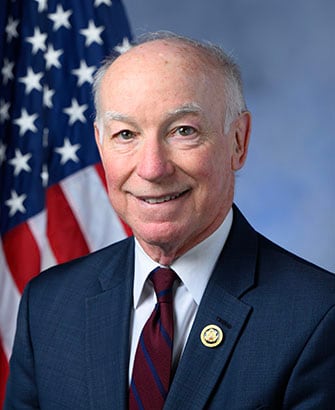
Joe Courtney
D Democratic nominee for U.S. House, CT-02
Representative since 2007
Other accounts (1)
The same platforms’ other accounts, such as a congressional office’s or an earlier campaign’s.
- On the ballot
- On the general election ballotNov 3, 2026 · Connecticut US House 2
- Where to vote
- Find your polling place (opens in a new tab) · More ways to vote
- Top priorities
- infrastructure
- agriculture
- healthcare
- defense
- education
- In Congress
- Representative since 2007 · votes with their party 97% of the time. See the record · Office phone 202-225-2076
- Money
- $966.5K raised, $932K spent, $385.6K cash on hand (through Oct 14, 2026). Where it comes from
- Who gives
- 26% of individual money from donors at $200 or less · 74% from Connecticut · largest committee giver CARPENTERS LEGISLATIVE IMPROVEMENT COMMITTEE UNITED BROTHERHOOD OF CARPENTERS AND JOINERS, $10K
- Outside groups
- $10 supporting Courtney
- Sponsored most in
- Education, Labor and Employment, Armed Forces and National Security
6 priorities from joecourtney.com, in the order they are listed there. Every heading and the text under it is copied exactly, as one passage for each page it is from, and links to that place on the page; hover a source to see which passage it opens.
Rebuilding our Infrastructure ↗ (opens joecourtney.com/infrastructure at this heading)
Investment in our state’s aging infrastructure is not just about updating our roads, bridges, rail, and transit lines, it’s also about good jobs and growing our economy. That’s why Joe has worked in Connecticut and Washington to secure Congressional action on long-stalled efforts to update our infrastructure laws and put people to work.
A historic new transportation law. Joe helped pass the new Infrastructure Investment and Jobs Act, or IIJA, which finally makes good on the promise of rebuilding our nation’s aging infrastructure. The most significant revamp of our transportation infrastructure laws in 50 years, the IIJA means that Connecticut can now address the backlog of critical projects like the Gold Star Bridge in Groton, the Haddam Swing Bridge, and airports in Windham, Groton, and Danielson. For Connecticut, the law means a 32% increase in highway and other transit funding.
Moving forward on the Enfield train station. For years, one of the Enfield community’s top goals was restoring train service to the town to connect it to Boston, Hartford, and beyond. This year it became a reality. Now, thanks to Joe’s support, new federal funding will be coupled with state funding to begin construction on an intermodal station that will link the Thompsonville section of town to passenger rail, a key element in the effort to revitalize this section of Enfield.
Cleaning up and revitalizing brownfields. Across the region, sites known as “brownfields” – locations of former heavy industry that need to be cleaned up before being re-used – provide significant opportunities for economic development. That’s why Joe has worked tirelessly to ensure federal investment to support this work in communities across eastern Connecticut. For example, he helped secure federal funds to kickstart the cleanup of the former Norwich Hospital site being redeveloped in Preston. And, Joe worked to secure support from the new infrastructure law to invest in projects in Vernon, Stafford, and New London.
source ↗ (opens the page at this passage) · joecourtney.com/infrastructure
On most weekends, you can find Joe at one of our region’s farmer’s markets, sampling the many products produced by eastern Connecticut’s agricultural industry. Agriculture is a critical component of our region’s economy, and Joe has made supporting the district’s farmers a top priority.
Helping farmers lower energy costs and conserve their land. Joe has long worked with eastern Connecticut’s agriculture community to expand federal support for new conservation and alternative energy tools for our farmers. Joe has supported and expanded programs like the Environmental Quality Incentives Program (EQIP) and the Rural Energy for America Program (REAP) programs, which eastern Connecticut farmers use today to conserve their land and lower energy costs – such as the new anaerobic digester at Fort Fills Farm in in Thompson.
Supporting our dairy farmers. As a founding member and co-chair of the House Dairy Farmers Caucus, Joe has worked hand in hand with our dairy sector as they faced uncertainty and instability in dairy pricing. Throughout the pandemic, Joe made sure that dairy farmers received the relief they were due when calculating COVID assistance. Before COVID, he changed the law to help dairy farmers save dollars and time when transporting their products. And now, he’s delivering funding for new technologies to recycle animal waste into energy to run their farms.
Fairness for our aquaculture sector. Joe helped ensure that shellfish growers weren’t left behind during COVID-19 when restaurant closures hit this industry hard and fought to ensure aquaculture producers were included in relief from financial losses during the early days of the pandemic.
Helping build the next generation of farmers. Joe wrote a bill to replenish the aging farming workforce and encourage college students to begin careers in farming by providing student debt relief to young farmers under the Public Service Loan Forgiveness program.
Supporting the agricultural workforce. Joe is fighting for legislation like the Farm Workforce Modernization Act to help farms hire the help they need, while also ensuring those who harvest our food are compensated fairly. This bipartisan effort would support year-round farming industries like the dairy industry.
source ↗ (opens the page at this passage) · joecourtney.com/agriculture
Ensuring Access to Quality and Affordable Health Care ↗ (opens joecourtney.com/healthcare at this heading)
Every American deserves access to quality, timely, and affordable health care. That’s why Joe is fighting to lower costs, improve the quality of care, and support our health care workforce.
Lowering premiums through the American Rescue Plan. One of the most important elements of the American Rescue Plan was lowering health care costs for Americans who purchase their insurance through AccessHealthCT. The American Rescue Plan lowered families’ health care premiums by thousands of dollars a year, putting millions of dollars back in Connecticut families’ pockets.
Tackling prescription drug pricing. The ever-increasing costs of prescription drugs have gone unchecked for too long, driving up health care costs for too many families and seniors who need these medications to live healthy lives. That is why Joe helped pass a new law that will reduce drug costs for those on Medicare by capping out-of-pocket drug expenses, limiting annual price increases, and allowing the federal government to negotiate lower prices for drugs.
Building on the Affordable Care Act. When Joe helped pass the Affordable Care Act, it was a historic step towards the goal of universal health coverage. But Joe knows our work to expand access to quality and affordable health coverage is far from done. That’s why he has proposed expanding Medicare to cover those 55 and older and creating a new public health care option to provide more affordable choices for families and small businesses.
Curbing violence against health care workers. The healthcare workforce faced dangerous and stressful conditions during the COVID-19 pandemic and before, with too many healthcare providers being hurt on the job. Joe led the charge to draft and pass a bill to protect nurses, doctors, medical assistants, and other health care providers from violence against them at work. He continues to bring together a bipartisan coalition of worker representatives, doctors, nurses, and safety experts to advocate for better safety policies for this essential workforce.
Ensuring seniors get the Medicare coverage they deserve. Joe is fighting to ensure that seniors who need rehab care in a nursing home aren’t forced to pay thousands of dollars out of pocket for treatment that Medicare should provide.
Repealed the so-called “Cadillac Tax.” When the ACA passed, it included a misguided tax on employer-provided health insurance, which would have raised costs for workers and their families. Joe led the charge to repeal this tax, working with a diverse coalition of labor advocates, employers, health care experts, and members from both parties, saving working families from huge increases in their health care costs.
source ↗ (opens the page at this passage) · joecourtney.com/healthcare
Growing the Submarine Capital of the World ↗ (opens joecourtney.com/defense at this heading)
For more than 100 years, our region has been known as the “submarine capital of the world,” and with good reason. As home to the ‘first and finest” submarine base and the shipyard that produced the first nuclear-powered submarine, eastern Connecticut is proud of its legacy of supporting our Navy and building the most advanced submarines in the world.
Today, our region’s submarine industry – from the shipyard in Groton to manufacturers and suppliers in Enfield, Putnam, Bozrah, and across the district – is thriving with new growth and new opportunities. It wasn’t always that way – Joe has worked hard from day one, and every day since, to make this a reality.
Historic growth at Electric Boat. When Joe first took office, the Electric Boat shipyard – long the anchor of our region’s economy – was facing layoffs and an uncertain future, with a stagnant submarine production rate of one per year and no design and engineering work for future submarines. In his first term, Joe worked with Democrats and Republicans to reverse this harmful trend for our nation and our region, securing nearly $600 million to finally get the Navy working on the initial designs for a new submarine. Those early efforts paid off. Electric Boat now builds two Virginia class submarines a year, and construction is underway on the new Columbia class. The revitalization of this industry has resulted in thousands of new jobs in our district and across the state.
Despite this success, this expansion has hardly been on auto-pilot. We have seen Democratic and Republican presidents propose cuts to submarine building plans that would have harmed our region. Joe, of course, has stepped up every time and fought back – and won. With many critical decisions on the Navy’s budget still ahead, we need Joe’s leadership now more than ever to keep this work on track.
Developing a skilled submarine manufacturing workforce. In 2015, Joe helped convene Electric Boat, other manufacturers, labor organizations, and regional workforce officials to create the Eastern Connecticut Manufacturing Pipeline Initiative. This innovative program provides students with the skills and training needed to meet the needs of local employers, whether at EB or hundreds of other manufacturing sites that have hired pipeline graduates. Over 2,000 students have been placed in good jobs — most of which came to the pipeline with no prior manufacturing experience. Today, the pipeline is a state and national model for workforce training and development.
A bright future for the SUBASE. Before he was elected to Congress, Submarine Base New London was repeatedly threatened with closure. Years of stagnant investment at the base, coupled with uncertainty about the role of submarines in our national security, left the base and its future in doubt. As our Congressman, Joe has opposed all base closing proposals and has won critical new projects, including piers and training facilities, to improve infrastructure at the base and ensure that it remains in service for years to come.
Chairman Courtney. After building a reputation as an effective advocate on maritime and naval issues, Joe became Chairman of the influential House Seapower and Projection Forces Subcommittee – the first House member from Connecticut to lead the Navy oversight committee in over 150 years. Joe has therefore been at the center of some of the most important debates and decisions about our Navy shipbuilding plans – and, crucially for our region, has used that post to push for submarine design, engineering, construction, and maintenance efforts that are growing our submarine industry. He has worked with Democrats and Republicans alike to boost our Navy shipbuilding plans when they have fallen short under presidents from both parties.
source ↗ (opens the page at this passage) · joecourtney.com/defense
Ensuring the Promise of a Quality Education ↗ (opens joecourtney.com/education at this heading)
As a member of the House Education and Labor Committee, Joe knows that access to quality and affordable education is the key to a thriving and growing middle class. That is why he has worked to ensure robust investments in education and improve access to higher education and workforce training.
Supporting K-12 schools. As a strong supporter of our public education system, Joe has worked to ensure that eastern Connecticut’s schools have the resources they need to provide a quality education for our children. Schools were hit hard by the COVID-19 pandemic, and Joe fought to ensure that measures like the American Rescue Plan provided the support needed for eastern Connecticut schools to reopen safely. And, he has fought to ensure that the federal government meets its commitment to funding special education programs.
Reducing the burden of student debt. Whether it’s finding a job, buying a house, or starting a family, the burden of student loan debt looms over major life decisions for too many young and middle-aged Americans. That’s why Joe is leading the push in Congress to eliminate interest on federal student loans and allow for student loan debt to be refinanced like all other forms of personal debt. And, he is pushing for new legislation to reform the public service forgiveness program that allows those who work in public service to have their loans forgiven.
WIOA & Apprenticeships. Our region has long ties to efforts on the federal level to support job training and workforce development. One of Joe’s predecessors, Congressman William Fitzgerald, passed the first federal apprenticeship law in the 1930s. Now, Joe is working to build on that legacy and ensure that apprenticeship and job training programs can prepare students and those transitioning their careers for the opportunities of today. Thanks to the American Rescue Plan Act, Connecticut has been able to offer thousands of job-seekers with career opportunities that provide on-the-job training with good salaries and benefits in in-need fields.
Joe is also working to pass the National Apprenticeship Act of 2022 which would bring this long-standing and successful program into the 21st century to increase the availability of earn-as-you-learn job training opportunities in sectors like manufacturing, health care, and information technology. And he’s fighting to pass an updated Workforce Investment and Opportunity Act to make sure our award-winning local workforce boards, like the Eastern Workforce Investment Board, have the resources they need to connect job seekers with dynamic careers that have room for growth.
Impact Aid. In southeastern Connecticut, schools in Groton and Ledyard are proud to educate the children of our sailors and officers serving at SUBASE New London. That is why Joe has worked to boost the Impact Aid program, which helps fund public schools serving high numbers of military families. As a co-chair of the House Impact Aid Coalition, Joe has been a leader in securing education funding to support military families and their children. And, as the COVID-19 pandemic created uncertainty for those schools that rely on Impact Aid, Joe worked with Republicans And Democrats to pass legislation into law twice – once under President Trump and again under President Biden – to ensure those students aren’t shortchanged due to complications of the pandemic.
source ↗ (opens the page at this passage) · joecourtney.com/education
Keeping The Promise to our Veterans ↗ (opens joecourtney.com/veterans-2 at this heading)
Our region is proud to be the home of more veterans than any other in Connecticut. Joe has fought tirelessly to ensure that all those who have worn our nation’s uniform have the support, care, benefits, and recognition they deserve. From the day-to-day work of helping veterans cut through the red tape that too often gets in the way of their earned benefits to working with Republicans and Democrats to pass new legislation to fulfill our promise to our veterans, Joe has always stood by eastern Connecticut’s veterans.
Made a long-sought plan to expand veterans clinics a reality. After hearing from veterans across the region about difficulty getting care and support from the small New London veterans clinic, Joe pushed VA officials to find a bigger and more suitable space. As a result, a new site was secured and every step of the way, Joe was there working with the VA and contractors to keep the project moving. Today, the new clinic has nearly tripled in size with new services and facilities to meet the needs of eastern Connecticut’s veterans.
Passed and protected the new GI Bill. The original GI Bill helped build the nation’s middle class following World War II, and Joe worked to make sure that our newest veterans would see the same. With the post-9/11 GI Bill, those who have served since 9/11 have been able to access powerful new support for post-service education for them and their dependents. And when a proposal in the Trump Administration threatened to cut off education support for the children of military servicemembers, Joe worked with Republicans and Democrats to block this misguided plan.
Modernized the Troops to Teachers program. Joe worked with Republicans to pass the Troops to Teachers program, which helps veterans transition into rewarding careers as teachers. And when President Biden’s budget threatened to shut down the program last year, Joe joined Republicans and Democrats on the House Armed Services Committee in blocking the plan in the annual defense policy bill.
Supporting veterans exposed to toxic substances. Whether it was exposure to Agent Orange in the Vietnam War or burn pits in Iraq and Afghanistan, for too long veterans have suffered illnesses due to this exposure without care from the VA. That’s why Joe has worked tirelessly to ensure presumptive recognition for illnesses resulting from Agent Orange exposure and passed a new law to extend this coverage to “Blue Water” Navy veterans who served in the waters around Vietnam. And this year, he pushed for and passed a new law, the PACT Act, which ensures that veterans of Iraq and Afghanistan get the same care for the illnesses caused by toxic burn pits.
Honoring the legacy of the US Coast Guard. The history of the Coast Guard dates back to the earliest days of our nation – with close ties to our region. Yet for too long the Coast Guard, and all those who have served in it, have been left as the only military service without a national museum to highlight its history and achievements. When Joe took office, plans for a new museum in New London were stalled and handcuffed by restrictions on federal funding that kept this project from moving forward. Joe made it a priority to give the Coast Guard the museum it deserved, and through his determination passed legislation to scale back that policy, unlocking critical support for exhibits and artifact preservation. This year alone, he secured $50 million to support these efforts.
source ↗ (opens the page at this passage) · joecourtney.com/veterans-2