Loading this candidate’s profile from the FEC filings and campaign records.
Where They Stand is a nonpartisan guide to everyone running for Congress: their money, their own words and how incumbents voted. Find your ballot →
Candidates › IL-16 race › 2025–2026
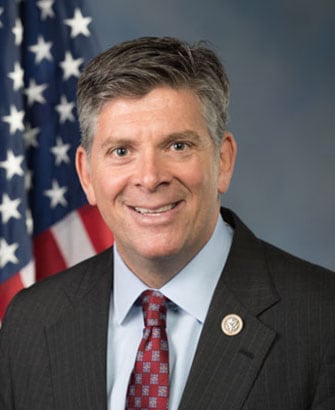
Darin LaHood
R Republican nominee for U.S. House, IL-16
Representative since 2015
Other accounts (2)
The same platforms’ other accounts, such as a congressional office’s or an earlier campaign’s.
- On the ballot
- On the general election ballotNov 3, 2026 · Illinois US House 16
- Where to vote
- Find your polling place (opens in a new tab) · More ways to vote
- Top priorities
- Keeping America Strong & Standing Up to China
- Protecting Kids & Strengthening Families
- Delivering for Central & Northwest Illinois
- Cleaning Up Washington
- Standing Up for Illinois Agriculture
- In Congress
- Representative since 2015 · votes with their party 99% of the time. See the record · Office phone 202-225-6201
- Money
- $4.2M raised, $3.7M spent, $6M cash on hand (through Oct 14, 2026). Where it comes from
- Who gives
- 11% of individual money from donors at $200 or less · 44% from Illinois · largest committee giver AMERICAN COUNCIL OF ENGINEERING COMPANIES (ACEC/PAC), $13.8K
- Outside groups
- $3.4K supporting, $1K opposing LaHood
- Backed by
- Tim Ruestman · Eli Nicolosi · Jim Rule and 41 more. As the campaign lists them
- Sponsored most in
- Taxation, Health, Commerce
8 priorities from lahoodforcongress.com, in the order they are listed there. Every heading and the text under it is copied exactly, as one passage for each page it is from, and links to that place on the page; hover a source to see which passage it opens.
America must always lead from a position of strength. Serving on both the House Intelligence Committee and the Select Committee on China, Darin is on the front lines of our most serious national security and economic challenges.
The Chinese Communist Party cheats, steals American technology, and wants to dominate the supply chains that power our economy. Darin wrote the rules that ban China and other foreign adversaries from collecting American clean energy tax credits, so taxpayer dollars build American energy, American factories, and American jobs, not China's.
Darin has voted to secure the border and fully fund our military, and to hold China, Iran, and Russia accountable on the global stage. Darin is equally committed to increasing legal immigration, because America has always been stronger when we welcome those who follow the rules and want to contribute to this country.
source ↗ (opens the page at this passage) · lahoodforcongress.com/issues
Every child deserves a safe, stable home. Darin wrote the first major reform of America's child welfare system in a generation, and it is now law. The law strengthens foster care for the nearly 370,000 children in the system and helps more kids grow up in loving homes.
Darin is also fighting for young people who age out of foster care with no family to fall back on. He led the bipartisan Fostering the Future Act, which passed the House, to expand access to education, housing, and job training so foster youth can build successful, independent lives.
For working parents, Darin helped expand the Child Tax Credit and create new tax-advantaged savings accounts for newborns, so families can start building financial security from day one.
source ↗ (opens the page at this passage) · lahoodforcongress.com/issues
Representing the 16th District means bringing our tax dollars home to work for our communities. Through Community Project Funding, Darin has secured more than $270 million for central and northwest Illinois: fixing local roads, upgrading water and wastewater systems, and building new community centers that make our towns safer, healthier, and stronger.
Darin also supported the Water Resources Development Act to limit flood damage and help river communities recover, and to protect the inland waterways that carry Illinois crops and products to the world.
Darin stays accountable to the people he serves. He travels the district meeting with farmers, manufacturers, health care providers, and families, and holds regular telephone town halls that reach tens of thousands of constituents. His offices help residents every day with the IRS, Social Security, the VA, passports, and other federal agencies.
source ↗ (opens the page at this passage) · lahoodforcongress.com/issues
Public service should never be a path to getting rich. Darin supports banning members of Congress from trading individual stocks, so no one in Congress can profit from the information that comes with the job.
Washington also has to live within its means. Trillions in wasteful spending fueled the inflation that families are still paying for, and the national debt now tops $40 trillion. Both parties share the blame, and fixing it will take both parties. That is why Darin supports a bipartisan federal debt commission that would put real solutions up for a vote.
Darin also believes Congress must act as a co-equal branch of government. On trade, spending, and other decisions that hit Illinois families, Congress should do its job and be accountable to the people it serves.
source ↗ (opens the page at this passage) · lahoodforcongress.com/issues
Agriculture is Illinois' number one industry and 16th District is the 10th largest in the nation in terms of corn and soybean production. When farmers succeed, our rural communities thrive, and Darin has been a reliable voice for them in Washington.
Darin took on decades of Washington red tape and forced the first House vote on year-round E15 in twenty years, and it passed. With nine ethanol plants touching the district, that means stronger markets for corn growers, more local jobs, and lower prices at the pump.
Darin supports a Farm Bill that gives farmers certainty, protects crop insurance as a critical safety net, and expands opportunities for young, new, and veteran farmers.
Fair trade and new markets:Almost 40% of what our district grows is sold overseas. Darin is working to open new markets and bring certainty to trade agreements. He has pushed to reduce tariffs on our allies that hurt Illinois farmers and manufacturers, while holding bad actors like China accountable for cheating.
source ↗ (opens the page at this passage) · lahoodforcongress.com/issues
Darin is proudly pro-life. In Congress, he continues to be a strong voice for the voiceless, combating the radical Left's support for abortion providers like Planned Parenthood. In Congress, he will continue to fight back against the Democrats' attacks and stand for our most vulnerable.
source ↗ (opens the page at this passage) · lahoodforcongress.com/issues
Families across our district are paying too much for groceries, health care, energy, and housing, and Illinois taxes only make it harder. Darin's top priority is keeping more money in your pocket and out of Washington's hands.
As a member of Congress's chief tax-writing committee, Darin helped deliver the Working Families Tax Cut, including a tax cut for households earning under $100,000. That law eliminated federal taxes on tips and overtime, provided tax relief for seniors on Social Security, expanded the Child Tax Credit, raised the standard deduction, and protected family farms and small businesses from the Death Tax.
Darin is also taking on the costs families feel most:
- Housing: Darin wrote the Affordable Housing Credit Improvement Act, and key parts are now law. Independent studies estimate it will help build nearly 2 million affordable homes over the next decade in rural, suburban, and urban communities.
- Health care: Darin supports requiring health insurance companies to publish rates and coverage comparisons in plain English, so families can shop with real information.
- Small business: Darin championed the small business tax deduction and the research and development tax credit so Main Street businesses can grow, hire, and keep serving their communities.
- Energy: Darin forced and passed the first House vote in twenty years on year-round E15, giving drivers a lower-cost choice at the pump.
source ↗ (opens the page at this passage) · lahoodforcongress.com/issues
Darin firmly believes that it is our constitutional right to bear arms and it shall not be infringed. I do not support unproven gun control measures targeted at law abiding gun owners, and in Washington I will continue to be an uncompromising defender our Second Amendment rights.
source ↗ (opens the page at this passage) · lahoodforcongress.com/issues