Loading this candidate’s profile from the FEC filings and campaign records.
Where They Stand is a nonpartisan guide to everyone running for Congress: their money, their own words and how incumbents voted. Find your ballot →
Candidates › IL-05 race › 2025–2026
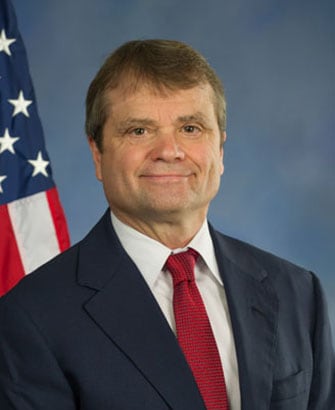
Mike Quigley
D Democratic nominee for U.S. House, IL-05
Representative since 2009
Other accounts (1)
The same platforms’ other accounts, such as a congressional office’s or an earlier campaign’s.
- On the ballot
- Won the general electionNov 3, 2026 · 192,582 votes (76.8%)
- Where to vote
- Find your polling place (opens in a new tab) · More ways to vote
- Top priorities
- ETHICS & REFORM
- EQUALITY
- FOREIGN POLICY
- TRANSPARENCY
- HEALTHCARE
- In Congress
- Representative since 2009 · votes with their party 98% of the time. See the record · Office phone 202-225-4061
- Money
- $998.1K raised, $1.1M spent, $1.1M cash on hand (through Oct 14, 2026). Where it comes from
- Who gives
- 2.9% of individual money from donors at $200 or less · 73% from Illinois · largest committee giver THE BOEING COMPANY PAC, $10K
- Outside groups
- $10 supporting Quigley
- Sponsored most in
- Government Operations and Politics, Health, Public Lands and Natural Resources
11 priorities from quigleyforcongress.com, in the order they are listed there. Every heading and the text under it is copied exactly, as one passage for each page it is from, and links to that place on the page; hover a source to see which passage it opens.
IL 5TH DISTRICT ↗ (opens quigleyforcongress.com at this heading)
Mike Quigley built his career as a reformer committed to eliminating waste, fraud and abuse at every level of government. He believes that it is impossible to effectively govern without the trust of the people.
As a Cook County Commissioner, Mike produced real change that has endured. In 2007, he sponsored and passed a package of ethics reforms mandating greater transparency in the property tax appeal process. Mike also authored and passed amendments to the Inspector General Ordinance granting the County’s Inspector General wider authority, greater independence, and increased resources to root out corruption. Mike also sponsored many of the accountability measures contained in the County’s current Vehicle Policy Ordinance, which regulates County departments purchase and operation of vehicles.
As a Congressman, Mike continued the fight for accountability and good government. In one of his first actions, Mike introduced legislation banning corporate earmarks, a policy which would subsequently become a rule in the House of Representatives. 16 months after taking office he achieved House passage of the State Ethics Law Protection Act, legislation to allow state governments to ban pay-to-play corruption in highway contracting. He has also introduced the Public Officials Accountability Act, legislation to address recent Supreme Court rulings that currently block prosecutors from using “honest services” standards in prosecuting public corruption.
Mike also pressed the Department of Justice to investigate Project Shield, a Cook County homeland security program. Mike’s actions helped expose waste, fraud and abuse in Project Shield and contributed to the cancellation of the program.
As the Ranking Democrat on the House Oversight and Government Reform subcommittee on TARP, Financial Services and Bailouts, Mike works to provide effective oversight of government operations and public funds. He was a proud supporter of the Wall Street Reform and Consumer Protection Act, which changed many of the egregious abuses which lead to the 2008 financial crisis. He is committed to ensuring effective implementation of this and other reforms, while also ensuring that community banks and other institutions have the resources and capability to continue creating jobs and adding value to the neighborhoods of the Fifth District.
source ↗ (opens the page at this passage) · quigleyforcongress.com/issues
Mike Quigley has always been committed to doing what is fair, what is right, and what is just.As vice chair of the Congressional LGBT Equality Caucus, he has been a leader in the fight for full equality under the law and has used his platform to give voice to the voiceless.
One of Mike’s first actions upon arriving in Congress was to support legislation repealing the military’s “Don’t Ask, Don’t Tell” policy. Mike consistently supported the repeal of this discriminatory policy and was honored to be present when President Obama signed legislation repealing it in late 2010. He marked the occasion by visiting the grave of Leonard Matlovich, an early gay rights advocate. Matlovich’s gravestone reads: “When I was in the military they gave me a medal for killing two men, and a discharge for loving one.” Throughout his time on Capitol Hill, Mike consistently opposed the Defense of Marriage Act and advocated for its eventual repeal.
Mike is leading the fight against the FDA blood ban deferral policy, which unfairly excludes men who have sex with men from donating blood. Having worked on this issue with then SenatorJohn Kerry, and now partnering with Senators Tammy Baldwin and Elizabeth Warren, Mike has continued to push the FDA to change this policy.
source ↗ (opens the page at this passage) · quigleyforcongress.com/issues
Mike Quigley believes that we must reinvent and rethink our military posture to meet the challenges at home and abroad in the 21st century. He understands that in the current fiscal climate, we must make smart investments to build a modern military, not one designed to combat enemies of the past.
As a member of the House Permanent Select Committee on Intelligence, Mike has his finger on the pulse of the threats facing Americans every day. He continues to advocate for a diplomacy first foreign policy and aims to ensure our foreign interventions are always pursued withAmerica’s best interests front and center. He believes in a strong and strategic national defense that is focused on defending the nation and providing American leadership and collaboration abroad.
Mike believes that the only way to bring our deficit under control is to subject the entire federal budget to targeted budget cuts, including the Department of Defense, which is too often exempted from any spending reductions.
source ↗ (opens the page at this passage) · quigleyforcongress.com/issues
“Sunlight is said to be the best of disinfectants” wrote future Supreme Court Justice Louis
Brandeis in 1913. Mike Quigley shares this view, and built his career on the idea that the only way to make a government responsive to the people is to open its proceedings to the public.
As the Co-Chair of the House Transparency Caucus, Mike has pressed for greater public access
to the legislative process. The Caucus supports President Obama’s Open Government Directive
and facilitates communication between lawmakers and experts in public access initiatives. The Caucus has received national as well as international attention. In recognition of his efforts with the Transparency Caucus, Congressman Quigley was consulted by the Government of Chile in its efforts to promote greater transparency.
Mike has introduced several significant bills to provide taxpayers with greater knowledge and insight on the actions of their elected representatives. He has authored the Transparency in Government Act, which calls for records, votes and disclosure reports from every sector of government to be made available to the public in a searchable, sortable and downloadable format. He has also introduced the Congressionally Mandated Reports Act, which provides the general public with unimpeded access to taxpayer-funded reports produced by federal agencies.
source ↗ (opens the page at this passage) · quigleyforcongress.com/issues
Mike Quigley is committed to ensuring every American has access to the quality healthcare they deserve. He proudly voted in favor of the Affordable Care Act and understands that, despite its challenges, the ACA has made a positive difference for millions of Americans. Since the Affordable Care Act went into effect, the uninsured rate is its lowest in history.
Mike opposes any effort to privatize Medicare. As part of his Reinventing Federal Government study, he proposed several long-term steps that can be taken to shore up Medicare and ensure the long-term viability of the program. He has also cosponsored legislation to allow price negotiation in the Medicare prescription drug program, and legislation to increase transparency and combat fraud in Medicare.
Similarly, Mike has been a vocal opponent of cuts in Medicaid funding which would have a devastating impact on the health care workforce and the health plans of public sector workers.
Mike trusts women to make their own healthcare choices and is a stalwart champion for women’s reproductive rights. He understands that doctors, not politicians, should help women make the decision that is best for their families. He supports a full repeal of the HydeAmendment and was active in the fight against anti-choice measures being included in theAffordable Care Act.
In 2005, as Cook County Commissioner, Mike proposed and passed a secondhand smoke ban, which prohibited smoking indoors throughout Cook County. This legislation led to a similar state-wide ban that prevented smoking in public places, places of employment, government vehicles and within 15 feet of any entrance to a public place. Mike also worked to expand health care services and provide funds to Access to Care, a primary health care program serving low-income uninsured individuals in suburban Cook County, Illinois and in Northwest Chicago.
As a member of the House Appropriations Committee, Mike has fought for full NIH funding, increased research and development grants and has worked to streamline the FDA drug approval process. He is committed to supporting Chicago’s world-class hospital systems and local community health centers.
source ↗ (opens the page at this passage) · quigleyforcongress.com/issues
Mike has a long history of defending the rights of working people in Illinois. Mike cosponsored the Employee Free Choice Act (EFCA) immediately after taking office. He believes that the right to organize is the backbone of the American success story and that unscrupulous employers must be held to account if they impede the ability of employees to communicate and make informed decisions on their right to choose whether or not to form a union.
Mike is passionate about supporting unions throughout our country. Most recently, he strongly opposed legislation that would undermine efforts to streamline the unionization process. He has also been outspoken in his opposition to so-called right to work laws, which do nothing more than drastically reduce the budgets of unions and weaken their ability to negotiate fair contracts for their members. Additionally, Mike has written on the importance of empowering workers and supports legislation to increase the minimum wage, combat gender wage discrimination, and guarantee paid sick leave.
Mike has worked closely with the Administration demanding that all modern trade agreements include strong, enforceable labor and human rights provisions that protect American workers from competing against countries with low standards. He also successfully fought in support of legislation to expand and extend the Trade Adjustment Assistance program, which provides workers who have lost their jobs due to trade with job training services, income support, reemployment and relocation benefits, and health benefits.
source ↗ (opens the page at this passage) · quigleyforcongress.com/issues
Mike Quigley has a long history of presenting sound and detailed solutions to tackle our most complex fiscal issues. During his time as a Cook County Commissioner, Mike authored eight separate, extensive reports describing how to reinvent County government to be more efficient and effective. His reports proved that the mission of County government could be achieved without tax increases.
Mike fought against the 1% sales tax increase, which would eventually be repealed and led the fight against lease, hotel, restaurant and fuel taxes. He was the only Democratic Commissioner to vote against the Cook County Parking Tax in 2000. Year after year, Mike identified questionable expenditures, unrealistic revenue projections, and no-bid contracts, while also proposing alternative solutions to the County’s financial and management problems.
As a member of Congress, Mike has focused on passing long-term bipartisan budgets that reduce our unsustainable debts and deficits without unduly burdening the most vulnerable in our society. He believes that bipartisan solutions exist, but Members of Congress must be willing to take the hard votes. For any plan to succeed, it must include the three “B’s” he believes are necessary for any deficit plan – big, balanced, and bipartisan.
Mike has also introduced legislation to eliminate unfair tax loopholes; cut millions from outdated defense programs; and create a mechanism to allow taxpayers to track how the federal government is spending their money. In addition, Mike has written two reports on “Reinventing Federal Government.” The first report presents methods for accurately assessing the overall fiscal condition of the United States, and the second details how to fix it, with 60 concrete recommendations for saving $2 trillion over ten years.
source ↗ (opens the page at this passage) · quigleyforcongress.com/issues
The Chicago Reader described Mike Quigley as “the greenest elected official in Chicago.” A lifelong Sierra Club Member, Mike spends his weekends participating in river and beach cleanups and brings a passion for environmental protection on a local, regional and global basis to all of his legislative efforts.
As a Cook County Commissioner, he sponsored Cook County’s Green Building Ordinance, spearheading the movement towards green construction across Cook County. He also introduced new purchasing guidelines for office products and county vehicles. Because of his efforts, the County is purchasing hybrid vehicles for many of its departments and the purchase of recycled goods is now a standard practice. As chair of the Forest Preserve Board Finance Committee, Mike helped protect the 76,000 acres of the Cook County Forest Preserve District.
As a Congressman, Mike supported policies to create cleaner air, jobs, improve health, protect the environment, and increase our energy independence. Mike has opposed every effort to weaken the existing environmental regulatory framework, which preserves our nation’s air and water, and continues to push for greater awareness and understanding of the costs associated with carbon-based energy.
Mike introduced the Federal Birdsafe Buildings Act, which calls for each public building constructed, acquired, or altered by the General Services Administration (GSA) to incorporate, to the maximum extent possible, bird-safe building materials and design features. He also introduced a resolution commending the United States Army for its green building initiatives.
Mike is also committed to preservation and protection of the Great Lakes. He worked with the Great Lakes Task Force to support federal funding for the cleanup and restoration of the Great Lakes and Great Lake states. He has continually pressed for additional funding and strategic thinking in addressing the threat posed by Asian Carp.
source ↗ (opens the page at this passage) · quigleyforcongress.com/issues
At every level of government, Mike Quigley has been a strong advocate for rethinking and reinventing government to create the conditions for a healthy and growing economy. As a Cook County Commissioner, he authored eight reports on ways to streamline the operations of the County and eliminate the need for job-killing taxes on hotels, restaurants and other small businesses.
In Congress he has continued the fight to reinvent government, and strongly believes that now more than ever we need to spend taxpayer dollars wisely and make smarter investments that will grow our economy and create jobs. In particular, Mike understands that without serious transportation investments the U.S. will simply not be able to compete in today’s global economy. Furthermore, given that every billion dollars invested in our infrastructure creates 30,000 jobs, Mike has made it a top priority to modernize our crumbling infrastructure and support critical investments in the Chicago area.
As the only Illinois Member of the House Appropriations Committee, Mike has championed robust funding for vital infrastructure projects that will help ensure that Chicago remains a hub for transportation and business. In addition, Mike was proud to support and fight for passage of the FAST Act, which is the first bill in over a decade to provide long-term funding for transportation infrastructure planning and investment.
Mike meets regularly with small business owners in Chicago, working hard to eliminate red tape and financial barriers to increased hiring, and seeking new and creative ways to increase opportunity. He has also made it a priority to help Fifth District residents enter the workforce and gain the skills to advance their careers.
source ↗ (opens the page at this passage) · quigleyforcongress.com/issues
Mike Quigley is committed to doing everything in his power to protecting the communities and children of the Illinois Fifth District. Serving as the only Illinois member on the House Appropriations Committee, he has tirelessly used his position in Congress to fight for sensible gun violence prevention laws, reform of our nation’s criminal justice system, and to combat domestic violence.
Mike recognizes that our country is facing a gun violence epidemic and believes we must enact sensible reforms. He is an outspoken proponent of legislation that requires mandatory background checks on all gun sales, including firearms sold at gun shows and online. These loopholes allow unscrupulous gun dealers to circumvent required background checks and licensing restrictions, ultimately flooding our streets with illegal guns. He has also cosponsored legislation to ban the sale of assault weapons and high-capacity magazines; bolster local gun buy-back initiatives and pushed for a federal law making gun trafficking illegal. Moreover, he is a vocal opponent of congressional efforts to impose a national concealed carry mandate that would reduce all state and local firearms laws to the lowest common denominator.
Mike has a long history of fighting for crime victims and working to prevent the conditions that breed violence and crime. He was the leading advocate on the Cook County Board for a new Domestic Violence Courthouse that would be safe for women and their children. His efforts led to the construction of the new Cook County Domestic Violence Courthouse, which has been open since 2005. While serving in Congress, Mike championed the reauthorization of the Violence Against Women Act, which is a comprehensive approach to combat domestic violence, dating violence, sexual assault, and stalking. More than ever, policies like the Violence Against Women Act ensures victims are receiving vital support and have the resources they need to report domestic and sexual violence to the police.
source ↗ (opens the page at this passage) · quigleyforcongress.com/issues
Mike understands that immigrants have come to Chicago for generations to make a better life for themselves and for their families. Immigrants helped build our skyscrapers, provided the hard work that supported our industries, and established civic and religious organizations.
The failures of our legal immigration system have forced millions of undocumented immigrants in this country to live in the shadows. One of Mike’s first actions upon arriving in Congress was to stand with Representative Luis Gutierrez as a cosponsor of the Comprehensive ImmigrationReform for America’s Security and Prosperity Act. This comprehensive immigration reform bill would establish workable parameters to fix our broken immigration system and give law-abiding residents the opportunity to achieve a better life for themselves and their children. Mike also pressed for the inclusion of LGBT bi-national couples in the legislation, as he believes that comprehensive immigration should include everyone.
Mike also supports the Deferred Action for Childhood Arrivals (DACA) and Deferred Action forParents of Americans and Lawful Permanent Residents (DAPA) programs. These programs would offer a brighter future to the children of illegal immigrants, many of whom were born elsewhere but were raised as Americans and want nothing more than to contribute to their nation through military service or by pursuing a college education.
Mike has also been a force on behalf of the Polish community, pressing for inclusion of Poland in the Visa Waiver Program. This would end the status quo where visitors from this vital Eastern European ally are forced to secure visas for travel to the United States, while Americans visiting Poland are permitted to travel freely.
America’s strength as a nation is jeopardized by our broken immigration system. We need comprehensive immigration reform that will secure our borders, grow our economy, and provide hardworking immigrants an earned pathway to citizenship.
source ↗ (opens the page at this passage) · quigleyforcongress.com/issues