Loading this candidate’s profile from the FEC filings and campaign records.
Where They Stand is a nonpartisan guide to everyone running for Congress: their money, their own words and how incumbents voted. Find your ballot →
Candidates › CA-15 race › 2025–2026
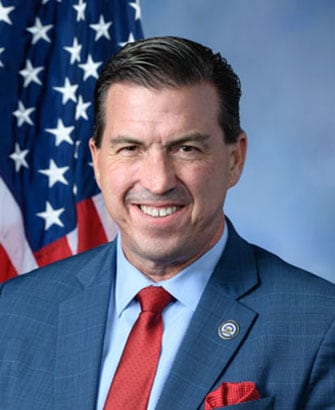
Kevin Mullin
D Democratic nominee for U.S. House, CA-15
Representative since 2023
Other accounts (5)
The same platforms’ other accounts, such as a congressional office’s or an earlier campaign’s.
- On the ballot
- On the general election ballotNov 3, 2026 · California US House 15
- Where to vote
- Find your polling place (opens in a new tab) · More ways to vote
- Top priorities
- Combatting Authoritarianism
- Fighting For Our Democracy
- Making Health Care More Affordable
- Lowering the Cost of Housing
- Fighting For Climate Action
- In Congress
- Representative since 2023 · votes with their party 98% of the time. See the record · Office phone 202-225-3531
- Money
- $981.6K raised, $846.8K spent, $191.6K cash on hand (through Oct 14, 2026). Where it comes from
- Who gives
- 4% of individual money from donors at $200 or less · 91% from California · largest committee giver AMERICAN OPTOMETRIC ASSOCIATION POLITICAL ACTION COMMITTEE, $10K
- Outside groups
- $500 supporting Mullin
- Backed by
- California Democratic Party · California State Association of Letter Carriers · San Mateo County API Caucus and 47 more. As the campaign lists them
- Sponsored most in
- Transportation and Public Works, Environmental Protection, Armed Forces and National Security
7 priorities from kevinmullinforcongress.com, in the order they are listed there. Every heading and the text under it is copied exactly, as one passage for each page it is from, and links to that place on the page; hover a source to see which passage it opens.
American Democracy is an experimental project. Its success - or failure - is dependent on each and every one of us. America’s founders built the framework for a free and fair democratic government as a counter balance to corrupt autocratic kings. This nation has faced monumental challenges since its inception. But for the last 250 years, American democracy has been kept stable. Until now.
Donald Trump’s political project is about division. His goal is to divide our communities, divide our party, and divide our values, all so that he and his billionaire friends can get richer. But this division is a distraction from the bonds that unite us. The bonds that make our country so great. While neighbors and friends may have differences in opinion, we all share a common unity in being Americans.
The values that we share and the respect we have for one another are far stronger than the differences in ideas we may have. Authoritarianism can only win if we are divided. In this moment, we must put our differences aside and band together for the fight that comes ahead. We must do all that we can to strengthen our democracy in our local communities, and in our national politics.
When he first ran for Congress, Kevin promised that he would fight for our future. We are in the fight of our life to protect the future of American democracy. But with your support, Kevin will continue to fight back against authoritarianism in the courts, in our communities, and at the ballot box.
source ↗ (opens the page at this passage) · kevinmullinforcongress.com/combatting-authoritarianism
Heading as listed on kevinmullinforcongress.com ↗ (opens kevinmullinforcongress.com at this heading)
Now, more than ever before, we need democracy warriors in Congress who will fight for our shared American values.
Growing up, Kevin learned to value our democracy at his family dinner table. Kevin’s dad was a high school civics teacher on the Peninsula, and his family would have nightly conversations about the value of community and civic participation. These experiences instilled in him a fundamental sense of pride in healthy, functioning democratic processes - and eventually inspired Kevin to run for office.
That’s why Kevin is proud to serve as Co-chair of the Congressional Taskforce on Strengthening Democracy, where he works to improve civic engagement, modernize democratic institutions, safeguard our electoral systems, and hold Donald Trump accountable for his authoritarian actions.
In Congress, Kevin has been a fierce proponent of getting dark money out of our elections, expanding access to the ballot box, and protecting the integrity of our elections from far-right extremists across America who aim to ignore and overturn lawful elections and the will of the people. Kevin is a proud cosponsor of the Freedom to Vote Act, which would bring more transparency to campaign contributions, ensure our elections are secure and accessible, and protect local election workers.
In the California Assembly, Kevin authored the landmark California DISCLOSE Act, to put a stop to the use of dark money in our elections and reveal the true funders of ballot measures and candidates. He helped pass universal vote-by-mail so every California voter receives a postage paid paper ballot, resulting in record participation and turnout. He was also a co-author of the law to automatically register Californians to vote.
source ↗ (opens the page at this passage) · kevinmullinforcongress.com/fighting-for-our-democracy
Heading as listed on kevinmullinforcongress.com ↗ (opens kevinmullinforcongress.com at this heading)
The moment Donald Trump was sworn into his second term, Congressional Republicans began attacking the critical health care services that millions of hard working Americans rely on.
By passing Donald Trump’s Big Ugly Budget Bill, Congressional Republicans gutted Medicaid, making the largest cuts to the program in American history. They forced health clinics and rural hospitals across the country to close their doors, leaving many low income and rural communities with no other option than to drive hours to seek care, or seek no care at all. Donald Trump’s Republican allies also cut billions of dollars in funding from the National Institutes of Health, cutting off research funding to life saving therapies to cure cancer and other chronic diseases. This dramatic reversal has severely disrupted domestic biomedical research and innovation, handing our foreign adversaries a massive advantage in the global race to develop life saving medicine. RFK Jr. has peddled dangerous conspiracy theories about over the counter medication and blocked access to COVID-19 vaccinations. This relentless attack on the American health care system has caused damage that will take decades to recover from.
But House Democrats have been just as relentless in their opposition to these draconian attacks on health care. In 2025, House Republicans announced they would jam the proposal for Trump’s Big Ugly Budget Bill through the House of Representatives, setting the stage to cut nearly $1 trillion dollars from Medicaid, all so Trump could give tax breaks to his billionaire friends.
At the time of this announcement, Kevin was in the hospital in California recovering from complications from recent knee surgeries. But he knew House Democrats would need to stand united against this disastrous budget proposal. He left the hospital and rushed straight to the airport so he could fly to DC - with a midline IV still attached to his arm - so he could vote NO on Donald Trump’s extreme agenda.
The Republicans thought he wouldn't show up. But Kevin knew he had to fight back by any means necessary. Democrats came up just a couple votes shy of stopping the budget proposal, but Kevin demonstrated that Democrat’s greatest strength is our unity.
When Trump’s Big Ugly Budget Bill came through the House Energy and Commerce Committee for a vote, Kevin and his Democratic colleagues debated the bill for 27 hours straight. Kevin was clear eyed as he contested the bill through the night, and refused to back down from this generational fight to protect the future of Medicaid. His goal now, just as it was that night, is to be a voice for the 14 million people who relied on Medicaid before Republicans ripped those critical services away.
Throughout the 27 hours in that Committee hearing room, Kevin and his colleagues offered 33 amendments that would have helped lower costs and strengthen healthcare for everyday Americans. But his the Republicans blocked all of them - doubling down on their efforts to leave Americans sicker, hungrier, and poorer.
Every week when Kevin travels to DC - he’s fighting back against Trump’s corrupt, anti-democratic agenda. While Donald Trump and Congressional Republicans fight for billionaires - you can bet that Kevin will fight for you.
source ↗ (opens the page at this passage) · kevinmullinforcongress.com/healthcare
Heading as listed on kevinmullinforcongress.com ↗ (opens kevinmullinforcongress.com at this heading)
The federal government has largely left the playing field when it comes to lowering the cost of housing. Kevin is a proud member of the Congressional YIMBY Caucus, and will continue to advocate for federal funds that would help CA-15 build more housing and lower costs that drive housing prices up.
Overcoming America’s housing shortage is possible. But building the 4.9 million homes that the housing market currently needs to meet demands will take bold leadership. That’s why Kevin introduced the Empty Lots to Housing Act, which would repurpose underutilized lots near transit into housing developments. This bill would cut the bureaucratic red tape that has stopped local communities from developing housing on land previously owned by the Federal Highway Administration (FHWA). If signed into law, this legislation could turn 276,000 acres of government owned land into transit-oriented housing. The bill was inspired by a real-world lot owned by the San Mateo Transit Authority (SamTrans).
Our housing challenges are also impacted by climate change. Extreme weather, like the atmospheric rivers that wrecked havoc on San Mateo County in 2023, and routine flooding in the bayside cities of CA-15 is more severe and more common as climate change worsens. These environmental challenges are increasingly putting people at risk of losing their homes and property to extreme weather. As a solution, Kevin introduced the WRAP Act during his first year in Congress. This bill would provide federal assistance to low-income homeowners and affordable housing providers to make changes to their homes and property, making them less vulnerable to climate-driven natural disasters.
source ↗ (opens the page at this passage) · kevinmullinforcongress.com/housing
Heading as listed on kevinmullinforcongress.com ↗ (opens kevinmullinforcongress.com at this heading)
The impacts of climate change are being felt everyday and pose significant risks to California and CA-15. Kevin is a proud cosponsor of the Green New Deal, which would safeguard our planet for future generations and reduce emissions while also strengthening the American workforce with good-paying, middle-class, union jobs in the clean energy sector.
One of Kevin’s proudest accomplishments during his time in Sacramento was funding Caltrain’s recently completed electrification project. This landmark initiative has ultimately led to better service, improved air quality, and higher ridership. Seeking to expand this accomplishment across the country, Kevin recently introduced the FARE Act, which identifies barriers to railroad electrification so communities can electrify commuter rails faster. The bill would also promote coordination among railroads, utilities, and federal agencies to accelerate electrification in the rail sector.
While in the California legislature, Kevin was a chief architect of a $3.7 billion package to combat climate change, authored the bill to create OneShoreline to fight sea level rise, and helped secure the largest climate investment in California history.
source ↗ (opens the page at this passage) · kevinmullinforcongress.com/climate
Heading as listed on kevinmullinforcongress.com ↗ (opens kevinmullinforcongress.com at this heading)
Kevin is proud to have consistently received a 100% voting record from Planned Parenthood Federation of America and has long been a trusted ally for protecting reproductive freedoms. The Supreme Court’s overturning of Roe V. Wade was a disastrous reversal of the hard fought progress that reproductive advocates have accomplished. In Congress, Kevin remains committed to fighting against any policy that further restricts access to reproductive health care and endangers women’s health.
Kevin is a proud cosponsor of the Women’s Health Protection Act, which would restore access to abortion throughout the United States. He is also proud to cosponsor the EACH Act, which aims to repeal the Hyde Amendment, and ensure those enrolled in federal health care coverage like Medicaid, and federal employee health insurance plans, have access to abortion care. Kevin was also an original cosponsor of the Right to Contraception Act, which aims to enshrine the right to access contraception and protect healthcare providers legal right to provide contraception.
source ↗ (opens the page at this passage) · kevinmullinforcongress.com/protecting-reproductive-rights
Heading as listed on kevinmullinforcongress.com ↗ (opens kevinmullinforcongress.com at this heading)
We have a responsibility to govern with an eye toward the future, not just the next election cycle. Our national debt continues to grow, driven in large part by irresponsible, unpaid-for tax cuts that disproportionately benefit the wealthiest Americans while leaving working families—and future generations—with the bill.
Fiscal responsibility means making tough, honest choices. It means reforming the tax code so billionaires and large corporations pay their fair share, ending giveaways that add to the deficit, and prioritizing smart investments that strengthen the economy over the long term. By restoring fairness to our tax system and committing to deficit reduction, we can move toward balanced budgets and a more stable fiscal future—an achievement last realized under Democratic leadership.
Sound budgeting isn’t partisan; it’s a generational obligation. Responsible fiscal policy today is essential to protecting economic opportunity tomorrow.
source ↗ (opens the page at this passage) · kevinmullinforcongress.com/protecting-reproductive-rights-1
Heading as listed on kevinmullinforcongress.com ↗ (opens kevinmullinforcongress.com at this heading)