Loading this candidate’s profile from the FEC filings and campaign records.
Where They Stand is a nonpartisan guide to everyone running for Congress: their money, their own words and how incumbents voted. Find your ballot →
Candidates › CA-49 race › 2025–2026
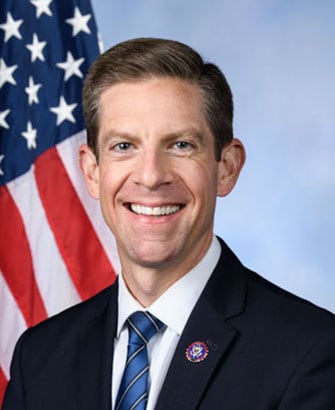
Mike Levin
D Democratic nominee for U.S. House, CA-49
Representative since 2019
Other accounts (2)
The same platforms’ other accounts, such as a congressional office’s or an earlier campaign’s.
- On the ballot
- On the general election ballotNov 3, 2026 · California US House 49
- Where to vote
- Find your polling place (opens in a new tab) · More ways to vote
- Top priorities
- Lowering Costs for Families
- Wildfire Preparedness
- An Economy That Works for Everyone
- Fostering Innovation and Job Creation
- Public Safety and Law Enforcement
- In Congress
- Representative since 2019 · votes with their party 97% of the time. See the record · Office phone 202-225-3906
- Money
- $3.6M raised, $2.5M spent, $1.4M cash on hand (through Oct 14, 2026). Where it comes from
- Who gives
- 8.8% of individual money from donors at $200 or less · 81% from California · largest committee giver ZINC COLLECTIVE PAC, $16.7K
- Outside groups
- $530 supporting, $4.5K opposing Levin
- Backed by
- Adam Schiff · Scott Peters · Sara Jacobs and 76 more. As the campaign lists them
- Sponsored most in
- Armed Forces and National Security, Energy, Environmental Protection
21 priorities from mikelevin.org, in the order they are listed there. Every heading and the text under it is copied exactly, as one passage for each page it is from, and links to that place on the page; hover a source to see which passage it opens.
As a husband and father of two, Mike knows first-hand the challenges that rising costs pose for families. He has taken decisive action to ease supply chain shortages, promote domestic manufacturing, and lower costs from the gas station to the grocery store.
Mike is leading the effort in Congress to bring down your skyrocketing electricity bills. He has led the effort to pass the Energy Bills Relief Act, which would tackle rising energy costs by deploying affordable, clean energy, modernize the electric grid, and prioritize your costs over utility companies’ profits.
Decades of underinvestment in U.S. infrastructure left our supply chains vulnerable to pandemic-caused shocks, which is why Mike helped pass the Bipartisan Infrastructure Law to strengthen our supply chains, modernize our ports, repair our railways, and rebuild our roads. These actions will help get goods to market faster and cheaper.
Mike also supported the CHIPS and Science Act to bring microchip production back to America. This legislation makes a $52 billion investment in our domestic chip industry, creating good-paying jobs here at home, reducing our exposure to foreign supply chain disruptions, and lowering the costs of everyday goods.
Mike believes it is wrong that Big Oil is making record profits while we are paying record gas prices. He helped write the Consumer Fuel Price Gouging Prevention Act, which the House of Representatives passed, to stop corporate price gouging and lower gas prices. Mike also supports the President’s action to open our strategic oil reserves, increase supply, and lower prices.
Mike also helped pass the Inflation Reduction Act to lower the costs of prescription drugs and health care, reduce energy costs, and more. For the first time, Medicare will negotiate lower prices for the highest cost drugs covered by Medicare, saving more than $100 billion over 10 years. It is also going to lower energy costs for consumers with $9 billion in consumer home energy rebate programs, energy efficiency tax credits, clean vehicle tax credits for middle- and low-income families, and more.
Lastly, Mike was proud to vote for the Lower Food and Fuel Costs Act to strengthen competition in our meat and poultry sector, and the Ocean Shipping Reform Act to promote fair business practices among shipping carriers and streamline the process of getting goods off of vessels and onto shelves.
Mike will continue to use every tool at his disposal to promote competition, produce goods here in America, and lower costs for families.
source ↗ (opens the page at this passage) · mikelevin.org/agenda/costs
Heading as listed on mikelevin.org/agenda/costs ↗ (opens mikelevin.org/agenda/costs at this heading)
There is no longer a wildfire season—it’s year-round now, as we witnessed with the devastating L.A. fires in January 2025. Extreme weather related to the climate crisis amplifies the conditions for these deadly fires, making them more dangerous and more common.
That’s one reason why Mike – who is endorsed by local firefighters and the International Association of Firefighters – is a leader in the House in advancing and supporting legislation that will help us combat climate change.
Mike delivered federal funding to make our region more resistant to drought, which helps lower the risks of firefighters. Last year, I secured more than $11 million to upgrade water infrastructure locally, to expand water supply and for other drought resistance projects across the 49th Congressional District, including Oceanside and Dana Point.
These projects help lower the risks of wildfires, and by increasing pumping capacity, we are ensuring we have more resources to combat fires.
And to fight fires when they do start, Mike worked with his San Diego colleagues to deliver nearly $3.5 million in federal funds for San Diego County to purchase a twin-engine firefighting helicopter, which adds firefighter safety and effectiveness.
Mike also secured funding to replace an old fire station at Camp Pendleton and to build Oceanside’s new Fire Station No. 1.
source ↗ (opens the page at this passage) · mikelevin.org/agenda/wildfire-preparedness
Mike Levin works with members of both parties, bringing people together and building coalitions to make a real difference for our communities. He is working every day to bring down the cost of living and put more money in the pockets of middle-class Americans.
That’s why Mike Levin introduced the Energy Bills Relief Act, as part of a consumer-focused approach to national energy policy that ensures Americans have access to cheap, reliable, and clean energy.
Mike is also supporting the Stop Price Gouging in Grocery Stores Act which will:
- prohibit price gouging by retail food stores
- prohibit surveillance pricing in retail food stores, with narrow exceptions for things like senior or student discounts
- require food stores to disclose the use of facial recognition technology
- ban electronic shelf labels in large stores
- establish enforcement by the Federal Trade Commission to hold corporations accountable
Trump’s tariffs are harming consumers and small businesses, and because they are so erratic they are not helping our nation expand the manufacturing base at home. Instead, these tariffs are driving up families’ bills and destroying small businesses.
Mike meets with local businesses to discuss the impact of the Trump tariffs, including The Op Games, a toy manufacturing company based in Carlsbad. Mike learned how the Trump tariffs are forcing them to double the prices of the games they sell, while harming their operations.
This is happening across many small business sectors across the nation and in Southern California. Consumers, small businesses, and their employees are paying the price – NOT foreign countries. Mike Levin continues to fight back against these erratic and reckless tariffs, and has called on President Trump to lift them immediately.
Mike believes the largest corporations and the very wealthy must pay their fair share – a policy supported by most of the American people – in order to dramatically reduce the deficit and save Americans money.
Mike was proud to help pass the expanded Child Tax Credit as part of the American Rescue Plan Act and provide much-needed relief for families trying to make ends meet. He also has led the Stop Child Hunger Act to ensure that parents can put food on the table for their children, not only the school year, but also when school meals aren’t available.
source ↗ (opens the page at this passage) · mikelevin.org/agenda/economy
Since he was sworn into Congress, Mike has worked to grow our local economy and has secured hundreds of millions in federal grants to support local employers. He has also passed legislation to create the jobs of the future right here in America.
Mike proudly supported the Bipartisan Infrastructure Law to create good-paying union jobs repairing our roads and bridges, replacing lead pipes, and building energy transmission lines. It invests in clean energy manufacturing and zero-emission vehicles to make sure that the jobs in the clean energy industry are good-paying American jobs and includes a Buy America requirement to ensure that all taxpayer-funded infrastructure projects are built with American iron, steel, and construction materials.
Mike also supported the CHIPS and Science Act to bring microchip production back to America and turbocharge innovation here at home. That legislation will make a $52 billion investment in the domestic chip industry to grow our economy, research new technology, and protect national security.
Mike will continue to support our local industries and ensure that the jobs of the future are created here. Our district stands at the forefront of technological advancements, including in life sciences, biotechnology, clean technology, blockchain technology, cryptocurrency, and quantum computing. Developing comprehensive regulatory frameworks is essential to ensure the continued presence and expansion of these businesses and employment opportunities within our region.
He feels this is particularly true for decentralized finance, which is why Mike voted for the GENIUS Act, CLARITY Act, and FIT21 Act. Mike believes we must continue to strengthen our position as a global leader in all of these transformative fields. The alternative would be outsourcing to foreign labor markets with less stringent oversight and transparency, which would be a massive missed economic opportunity and harmful to American consumers.
To support mom-and-pop businesses and strengthen our local tourism economy, Mike signed onto legislation to reauthorize the Brand USA public-private partnership, increase the amount that a bank can invest in Small Business Investment Companies, give small businesses more opportunities to compete for federal contracts, and reauthorize the Small Business Development Center Program.
source ↗ (opens the page at this passage) · mikelevin.org/agenda/innovation
Mike has a strong history of supporting public safety and law enforcement, and he is proud to have endorsements from leading law enforcement organizations like the California Fraternal Order of Police and the Association of Orange County Deputy Sheriffs. He knows that we can support law enforcement and improve policing at the same time.
Mike has never supported defunding the police, and he never will. Instead, Mike believes we should increase funding for police in a way that helps them stay safe, do their jobs more effectively, and earn the trust of the communities they serve. Mike worked with local law enforcement to secure federal funding for patrol car cameras for the Oceanside Police Department, a priority for local police to help them do their jobs and community members who want more transparency and accountability.
Mike is also a cosponsor of the Invest to Protect Act, a bipartisan bill to authorize $50 million a year for five years to help strengthen and modernize smaller police departments, including a number here in San Diego and Orange counties. He stood with members of the Peace Officers Research Association of California and the Carlsbad Police Office Association to call on Congress to pass this bill, and he will continue to push for that funding.
Mike has also worked to stop dangerous drugs like fentanyl from crossing the border and reaching our communities. He has repeatedly supported funding for the High Intensity Drug Trafficking Areas program, which assists law enforcement in critical drug trafficking areas, including the Southwest Border and through San Diego and Orange Counties. He also supported legislation to withhold foreign aid for any countries that allow the production of fentanyl, and to help global law enforcement agencies identify, track, and detect synthetic drugs.
Mike has worked with a bipartisan group of local, state, and federal officials to crack down on burglary tourism in South Orange County and North County San Diego and its connection to Chilean nationals entering the United States through the Visa Waiver Program (VWP). This has led the Chilean government to take steps to meet the information-sharing requirements under the VWP or risk being suspended or terminated from the program.
Mike will continue to work across the aisle to support local law enforcement and keep our communities safe.
source ↗ (opens the page at this passage) · mikelevin.org/agenda/safety
Mike is the grandson of Mexican immigrants on his mother’s side. Having not graduated high school themselves, his grandparents sent all five of their daughters to college. At age 50, his grandfather, Rosendo Bringas, became an American citizen, and it was among the proudest days of his life.
Mike wants to preserve the values and aspirations of so many immigrants like his grandparents, who dream of the uniquely American opportunity for self-improvement. Mike believes that immigrants should be treated with dignity and respect.
That is the opposite of what is happening under President Trump and ICE – and Mike is standing up against them, and FOR American values. Instead of dignity and respect, the Trump Administration has resorted to fear, chaos, and in several cases, violence. The disturbing footage of the killings of citizens in Minnesota at the hands of ICE has shocked the people of our nation, including Democrats, Republicans, and independents.
Because we are witnessing power being used without restraint, and without accountability. The Trump Administration is violating Constitutional rights and is destroying trust in communities of all kinds.
There must be an independent investigation of the killings of Alex Pretti and Renee Good. And Congress must intensify its oversight immediately. Mike insists that accountability is not optional in a democracy, regardless of whether your party happens to be in power.
That’s why Mike has voted against funding ICE without guardrails to rein in its reckless behavior, repeatedly called out the Administration’s actions that violate the Constitution – and continues to work to help immigrants find a legal pathway to citizenship.
Mike believes in secure borders, and that violent criminals should be deported. That is not the Trump Administration’s focus. According to records from the Department of Homeland Security, less than 14% of ICE arrests involved those accused or convicted of violent crimes during the year since Trump returned to the White House, and after the ICE budget tripled to $30 billion.
Mike believes enforcement matters. But enforcement only works when it is grounded in law, integrity, and public trust. And it must always be paired with humanity.
At the same time, Mike believes we have real problems at the southern border and a broken immigration system that demands Democrats and Republicans work together in good faith to deliver solutions.
That’s why Mike is a cosponsor of H.R. 4393, commonly referred to as the DIGNITY Act, which is the most promising bipartisan, comprehensive immigration and border legislation in recent memory. It would address border security challenges, provide a solution for undocumented immigration, and strengthen our workforce. The bill affirms that we must treat those coming to the United States looking for better opportunities with dignity and respect.
Ultimately, Mike believes that members of both parties need to come together on comprehensive immigration reform, including stronger border security policies, asylum process reforms, and an earned path to citizenship.
source ↗ (opens the page at this passage) · mikelevin.org/agenda/immigration
Mike Levin has made addressing the epidemic of gun violence a top priority in Congress. One of the first caucuses he joined as a Member of Congress was the Gun Violence Prevention Task Force, and one of the first bills he signed onto was the Bipartisan Background Checks Act to require universal background checks on all gun sales and transfers, with narrow exceptions for gifts to family members and temporary transfers for hunting.
Mike is a strong proponent of legislation to address the epidemic of gun violence in our country. He has always been endorsed by Moms Demand Action, Everytown for Gun Safety, Brady Campaign to Prevent Gun Violence, and other advocates for gun safety.
After the tragic mass shooting in Uvalde, Texas, Mike helped pass the landmark Bipartisan Safer Communities Act to expand background checks, fund community-based intervention programs, and encourage states to adopt red-flag laws. These programs will make us safer, and Mike was proud to vote for them.
But Mike knows that we have more work to do to reduce gun violence and keep our communities safe. He worked across the aisle to introduce the Prevent Family Fire Act, which would encourage safe firearm storage and prevent accidental injuries or deaths by implementing a modest tax credit for storage devices like gun safes.
Mike has also worked to institute an assault weapons ban and expand Brady background checks to all gun sales, including those made over the Internet and at gun shows. He cosponsored the Assault Weapons Ban, the Extreme Risk Protection Order Act, and Jaime’s Law.
He also helped secure $25 million in appropriations legislation for federal research at the Center for Disease Control and National Institutes of Health into the nation’s gun violence epidemic to help us understand and solve this critical issue.
Mike will not give up until we have ended this epidemic of gun violence and made sure that all of our communities are safe.
source ↗ (opens the page at this passage) · mikelevin.org/agenda/gunviolence
Mike will always defend a woman’s right to make her own reproductive choices. Only a woman, her family, and her doctor should be able to decide what is best for her health.
Mike believes the decision by the right-wing majority on the Supreme Court to throw out decades of judicial precedent and eliminate an established Constitutional right to abortion is appalling. He is an original cosponsor of the Women’s Health Protection Act to codify Roe v. Wade into law and will continue to fight for reproductive freedom.
Mike also proudly cosponsored the Equal Access to Abortion Coverage in Health Insurance (EACH) Woman Act to ensure reproductive freedom for women with Medicare and Medicaid. He will continue to defend Planned Parenthood, which provides essential preventative and reproductive health care services like cancer screenings, STD testing, and low-cost birth control to millions of American women, and he is honored to have the endorsement of Planned Parenthood Action Fund.
Mike is a vocal advocate for equal pay for equal work and has fought to rectify wage discrimination against women. He cosponsored the Paycheck Fairness Act to end pay discrimination against women and the BE HEARD in the Workplace Act to help end workplace discrimination and harassment.
Mike has been fighting for federal legislation that specifically bans sexual harassment and believes the federal definition of domestic violence must be updated to include stalking and dating violence, which would help prohibit stalkers and violent dating partners from accessing firearms. Mike also cosponsored the SAFE Act to protect the economic security of victims of domestic violence, sexual assault, and stalking.
Finally, Mike will continue to work toward ending military sexual assault, which is one of the priorities of his service in Congress.
source ↗ (opens the page at this passage) · mikelevin.org/agenda/women
Heading as listed on mikelevin.org/agenda/women ↗ (opens mikelevin.org/agenda/women at this heading)
Mike believes that every American should have access to affordable, quality health care, and that nobody should have to choose to pay for rent or groceries instead of seeing a doctor or paying for a prescription.
Right now, and since early 2025, President Trump and his MAGA Republicans in Washington have been slashing essential healthcare for millions of Americans, from the working poor to middle class families. According to the County of Orange, an estimated 3 million Californians may lose coverage. This would drive up the uninsured rate and raise costs for hospitals and clinics, and threaten the stability of the medical safety net.
Mike will continue to fight any attempt by Trump and Washington Republicans to roll back Obamacare or let insurance companies put profits ahead of our health.
In 2022, Mike helped pass the Inflation Reduction Act, which allows Medicare to negotiate with drug companies and lower prescription drug prices by hundreds of billions of dollars. As a result of this landmark law, the price of insulin for those on Medicare is now capped at $35 a month, and seniors won’t pay any more than $2,000 per year for their prescription drugs.
Mike is a strong supporter of the Affordable Care Act (ACA), which provides coverage to nearly 70,000 residents in our Congressional District, and protects over 300,000 with pre-existing conditions. Mike has introduced legislation, based on the feedback of his constituents, to further reduce costs related to the ACA – and he will continue fighting to protect it.
Mike is also committed to expanding access to affordable health care, which includes protecting and strengthening Medicare and the ACA, protecting those with pre-existing conditions, and lowering prescription drug costs. All options should be on the table — including addressing the Medicare eligibility age — to ensure individuals and families get the medical support they need.
Mike has fought to improve health insurance access and affordability, and to undo the Trump Administration’s sabotage of the ACA. This includes strengthening tax credits for middle class families, requiring plans to cover all essential health benefits, ensuring broad coverage of prescription drugs, and funding outreach and education.
Mike believes that many ideas to improve the ACA must be explored, including the implementation of a “public option,” early buy-in to Medicare coverage within health insurance marketplaces, and the hiring of new full-time federal enrollment assisters to help Americans enroll.
source ↗ (opens the page at this passage) · mikelevin.org/agenda/protecting-health-care
As a leader of the House Veterans Affairs Committee, Mike has passed more than two dozen bipartisan bills to improve health care, education, job training and housing for our veterans. For his work, Mike received the Veterans of Foreign Wars Congressional Award for Legislator of the Year for his legislative work to support veterans, service members, their families, and survivors. Previous recipients of the award include Sen. John McCain, Sen. Bob Dole, and Rep. G.V. “Sonny” Montgomery.
He also led the historic and comprehensive Johnny Isakson and David P. Roe, M.D. Veterans Health Care and Benefits Improvement Act of 2020 (H.R. 7105) to strengthen and expand benefits for veterans, particularly during the COVID-19 pandemic. Mike believes we owe it to every veteran to provide high-quality health care and has fought against efforts to privatize the VA.
Ensuring safe and quality housing for our veterans and their families has been one of Mike’s top priorities. Mike strongly believes that even one homeless veteran is one too many, and he’ll work tirelessly until veteran homelessness is an issue of the past. No one who sacrifices so much to serve our country should ever have to worry about having a place to live.
Mike was proud to champion the bipartisan Honoring our PACT Act, historic legislation that expands access to critical care for veterans who were exposed to dangerous toxic chemicals like radiation, Agent Orange, Gulf War toxins, and burn pits during their service. The Honoring our PACT Act is the most significant expansion of VA health care in 30 years, and thousands of veterans from our district have already successfully applied and will be receiving VA care as a result.
Mike has co-led the bipartisan Guard and Reserve GI Bill Parity Act to provide parity in GI Bill benefits for members of the National Guard and Reserve who increasingly conduct similar training and missions as other servicemembers, but do not receive equal benefits.
As the second Trump Administration has taken steps to reduce veterans’ benefits and undermine the VA’s capacity to serve veterans, Mike has led the fight to strengthen the VA. Mike uses his position on the House Appropriations Committee to secure for veterans every resource possible to improve service. Whether it’s working to make sure the VA health system has the capacity to see veterans in a timely manner or ensuring a real person – rather than a recording – answers veterans when they call the VA, Mike is doing everything he can to improve VA services.
As the grandson of a World War II veteran, Mike believes that we owe it to the men and women who have the honor and courage to serve our country – and their families – to guarantee the absolute best care and services. He will continue to use his position on the House Veterans’ Affairs Committee to advocate for local veterans and pass bipartisan legislation on their behalf.
source ↗ (opens the page at this passage) · mikelevin.org/agenda/veterans
Our district is home to more than 50 miles of beautiful California coastline and other cherished lands and waters like San Onofre State Beach and the San Elijo Lagoon. Unfortunately, the climate crisis threatens our natural treasures, with extreme heat waves, longer droughts, year-round wildfires, and rising sea levels and storm surges driving unprecedented coastal erosion.
As a longtime advocate for climate action and member of the House Appropriations Energy and Water Subcommittee, Mike led aggressive legislation to protect our environment and grow our economy at the same time.
Mike helped pass the Inflation Reduction Act, which makes the single largest investment in climate action in history, with $370 billion in investments to reduce carbon emissions 40 percent below 2005 levels by 2030. The bill will also lower energy costs for consumers with $9 billion in consumer home energy rebate programs, energy efficiency tax credits, clean vehicle tax credits for middle- and low-income families, and more. He has fought against the Trump Administration’s efforts to roll back these landmark policies.
Mike worked across the aisle to pass the Bipartisan Infrastructure Law and fought for provisions to expand electric vehicle charging infrastructure, invest in the supply chain for batteries, provide $1.5 billion for clean hydrogen manufacturing, invest $550 million in the Energy Efficiency and Conservation Block Grant Program, and much more.
Protecting our coast is one of Mike’s top priorities in Congress. Mike introduced the American Coasts and Oceans Protection Act to prohibit any new leasing for the exploration, development, or production of oil or natural gas along the Southern California coast, from San Diego to the northern border of San Luis Obispo County. The bill passed the House as part of a legislative package, but was ultimately removed by the Senate. Mike won’t stop until there is a federal offshore drilling ban off the Southern California coast.
Our district is on the frontline of the climate crisis, which is why Mike secured critical resources to protect our environment, including $30 million to put approximately 1,000,000 cubic yards of sand on the beach in Encinitas and Solana Beach, $26 million to improve flood protection in Oceanside, $16.7 million to restore beaches in San Clemente, and more. Mike has also secured more than $50 million for local water recycling and desalination so that our community has reliable drinking water for generations to come.
Mike is also fighting to protect the unique lagoon landscapes and ecosystems in our district. He introduced the bipartisan Resilient Coasts and Estuaries Act to fund the protection of estuary habitats nationwide, including San Mateo Creek, San Luis Rey River, and San Elijo Lagoon.
As Vice Chair of the House Sustainable Energy and Environment Coalition, Mike and Rep. Sean Casten (D-IL) are introducing the Energy Bills Relief Act, legislation that will bring down electricity costs by build more clean energy. In addition to tackling the climate crisis by unlocking the full potential of renewable energy, the bill will reduce energy costs by enabling the cleanest, least-expensive forms of energy – renewables – to connect to the grid.
As part of the 2020 United States-Mexico-Canada Agreement, Mike’s advocacy helped secure $300 million to clean up toxic pollution and raw sewage from the Tijuana River. Read more from the Los Angeles Times about Mike’s role in helping to deliver these funds. Since then, the San Diego Democratic Congressional Delegation has secured over $650 million to address the problem. Mike has worked with Democratic and Republican administrations to make progress on this longstanding health and environmental disaster.
With two young children at home, Mike will always work to protect our planet for future generations.
source ↗ (opens the page at this passage) · mikelevin.org/agenda/climate
Mike believes the recurrent landslides in our district are a constant reminder that we must continue to take the climate crisis seriously and invest in support systems to ensure residents are safe and our infrastructure is sound. He is fighting to bring federal resources to our district for long-term solutions.
Mike is specifically focused on federal funding for three types of critical projects to protect our coastal infrastructure: sand, stabilization, and stakeholder engagement. These investments provide protection for the Los Angeles – San Diego – San Luis Obispo Rail Corridor (LOSSAN Corridor) tracks that run immediately adjacent to our coast.
Mike secured $30.5 million for the initial phase of the Encinitas-Solana Beach Coastal Storm Damage Reduction Project, which involves placing 700,000 cubic yards of sand along 7,200 feet of beach in Solana Beach and 340,000 cubic yards of sand along 7,800 feet of beach in Encinitas. The first beach nourishment concluded earlier this year, and the federal government is now required to put more sand on the beach regularly over the next 50 years.
Mike delivered $16.7 million for the first phase of the San Clemente Shoreline Protection Project, which will place sand on the City beach from Linda Lane to T-street, a distance of about 3,400 feet. Like the project in North County, San Clemente will also receive regular beach nourishments for decades to come.
These critical sand replenishment projects will widen the beaches to reduce storm damage, improve safety, and expand recreational benefits for the public.
Stabilization projects are also essential for our region. Mike announced that more than $53.8 million in new federal funds will go to the North County Transit District (NCTD) to replace the 108-year-old San Dieguito River Railway Bridge. Replacing the bridge is the first step in potentially relocating LOSSAN rail tracks off the bluffs in the Del Mar section.
Mike delivered $11.5 million to the San Diego Association of Governments (SANDAG) and NCTD for the Del Mar Bluffs Stabilization project to assist with eroding coastal bluffs in Del Mar. This project includes the design, environmental, and construction components of a project that will help install subsurface drainage, as well as concrete channels, storm drains, and support piles.
Mike also secured $100 million to improve the reliability of the LOSSAN corridor in South Orange County. The funding will reduce trip times while also making the tracks more resilient to sea-level rise and beach erosion.
Finally, Mike has secured federal dollars to assist with stakeholder engagement to help find long-term solutions for the LOSSAN Corridor. In 2024, he secured $4 million for the Coastal Rail Corridor Relocation Study, which will help the Orange County Transportation Authority study potential relocation of approximately 11 miles of the LOSSAN Corridor through South Orange County.
source ↗ (opens the page at this passage) · mikelevin.org/agenda/coastline