Loading this candidate’s profile from the FEC filings and campaign records.
Where They Stand is a nonpartisan guide to everyone running for Congress: their money, their own words and how incumbents voted. Find your ballot →
Candidates › CA-04 race › 2025–2026
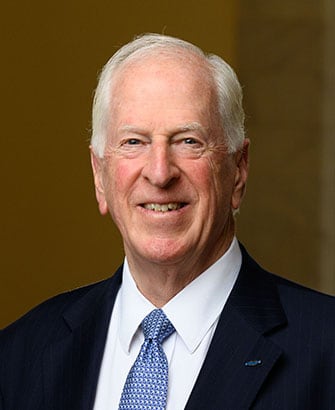
Mike Thompson
D Democratic nominee for U.S. House, CA-04
Representative since 1999
Other accounts (4)
The same platforms’ other accounts, such as a congressional office’s or an earlier campaign’s.
- On the ballot
- Won the general electionNov 3, 2026 · 135,370 votes (58.1%)
- Where to vote
- Find your polling place (opens in a new tab) · More ways to vote
- Top priorities
- Fiscal Responsibility
- Gun Violence Prevention
- Health Care
- Housing
- Immigration
- In Congress
- Representative since 1999 · votes with their party 97% of the time. See the record · Office phone 202-225-3311
- Money
- $5.5M raised, $5.3M spent, $1.4M cash on hand (through Oct 14, 2026). Where it comes from
- Who gives
- 7.7% of individual money from donors at $200 or less · 79% from California · largest committee giver NATIONAL MULTIFAMILY HOUSING COUNCIL AND REAL ESTATE TECHNOLOGY AND TRANSFORMATION CENTER POLITICAL ACTION COMMITTEE (NMHC PAC), $10K
- Outside groups
- $3.8M supporting, $1.7M opposing Thompson
- Backed by
- Alex Padilla · Adam Schiff · Ben Ray Lujan and 406 more. As the campaign lists them
- Sponsored most in
- Taxation, Health, Public Lands and Natural Resources
8 priorities from mikethompsonforcongress.com, in the order they are listed there. Every heading and the text under it is copied exactly, as one passage for each page it is from, and links to that place on the page; hover a source to see which passage it opens.
We have to get our debt and deficit under control – and the best way to do this is through a balanced approach that cuts spending, asks everyone to pay their fair share, and creates jobs. More jobs equal more revenue and more investment back in our communities.
source ↗ (opens the page at this passage) · mikethompsonforcongress.com/issues
Our nation’s debt is more than $37 trillion. This is a serious problem. The interest alone on the debt is more than $900 billion a year. This is more money than the federal government spends on transportation, education and veterans combined.
Having this much debt jeopardizes the future of important programs like Social Security and Medicare and is a hidden tax on our kids and grandkids. Instead of investing in economic growth and our nation’s future, they will be paying down the debt on the money we spent.
It also threatens our national security. Much of our debt is held by foreign countries, some of whom do not share our values.
It is important that we act in a fiscally responsible way while protecting programs like Social Security and Medicare, supporting job creation and also tackling our national debt. That is why I have fought for pay-as-you-go budgeting (PAYGO). PAYGO ensures that the bills that Congress passes do not increase our debt. It requires that any spending increases or tax cuts be offset by cutting spending or increasing revenues. PAYGO was part of the reason we had a budget surplus in the late 1990s and early 2000s. However, in 2002 Congress allowed PAYGO to expire. This, along with two wars, tax cuts, a prescription drug program, and the Big Ugly Law - all of which were unpaid for, coupled with the worst recession since the Great Depression and a global pandemic, is part of the reason why our nation’s debt is so large today.
We have to take a fair and balanced approach to reducing our debt. That means cutting spending, asking everyone to pay their fair share and growing our economy.
We have to take a hard look at everything to make sure taxpayers are getting the most bang for their buck. We have to get rid of programs that aren’t needed, and if a program is needed we must make sure it’s running as efficiently as possible. During this review, everything needs to be on the table, including defense spending. The best and strongest national defense doesn’t have to be the most expensive national defense.
We have to make sure everyone pays their fair share. There is a growing gap between the wealthiest Americans and the rest of us. Since 2020, the top 1 percent saw their wealth increase by $15 trillion, while hard working families pay more for everything. This isn’t sustainable. To get our fiscal house in order, we have to reform our tax structure so that everyone plays by the same rules and everyone pays their fair share.
And we have to invest in creating jobs and growing our economy. More jobs and growth will mean higher household incomes and more revenue to help get our nation out of the red.
As your representative in Congress I will continue working to solve our fiscal crisis through a balanced approach that cuts spending, requires fairness and encourages economic growth.
source ↗ (opens the page at this passage) · mikethompsonforcongress.com/issues/fiscal-responsibility
As a hunter and gun owner, I believe that we should protect the Second Amendment right of law-abiding individuals to own firearms. As a dad and grandfather, I also believe that we have a responsibility to make our schools, streets and communities safe. We can do both by passing commonsense policies like comprehensive criminal background checks.
source ↗ (opens the page at this passage) · mikethompsonforcongress.com/issues
In the wake of the tragic shooting at Sandy Hook Elementary in Newtown, Connecticut, I was named to chair the House Gun Violence Prevention Task Force. My task force was charged with developing a comprehensive set of policy principles to help reduce and prevent gun violence.
In developing these principles – which ranged from improving mental health services, cracking down on straw purchasers and expanding criminal background checks – I met with virtually everyone: victims of gun violence and gun safety advocates; gun owners, hunters, and outdoor sportsmen and women; federal, state, and local law enforcement; educators and community workers; mental health experts and physicians; representatives of the motion picture, television, music, and video game industries; leaders in our faith communities; representatives of gun manufacturers and gun retailers; cabinet secretaries, my constituents, the Vice President of the United States and the President of the United States.
Of all of my task force’s recommendations, the single most important thing we can do is expand comprehensive criminal background checks. Some states, like ours, already require criminal background checks at gun shows and for internet sales. However, many other states only require checks for purchases made through a licensed gun dealer. It’s far too easy for a criminal in California to drive across the state line, load up with guns from a gun show, and then drive back into our state.
That’s why I have written and introduced bipartisan legislation that would require comprehensive and enforceable criminal background checks for all commercial gun sales. If my bill passed, criminals and other prohibited purchasers wouldn’t be able to bypass a background check by simply going online or to a gun show.
Closing this loophole will reduce the number of places criminals, terrorists, wife beaters and the dangerously mentally ill can buy guns. And, it will save lives.
People on both sides of the aisle and all sides of the issue have said they want to keep guns away from dangerous people. But you can’t do that without background checks. Background checks are how you know if a person buying a gun is a criminal, terrorist or wife beater. They are the first line of defense.
Despite the challenges in Congress, I helped pass the 2022 Bipartisan Safer Communities Act which was the first major gun violence safety legislation passed in 30 years. The bill tightened background checks for 18-20 year olds, cracked down on dangerous gun traffickers, helped close the 'boy friend' loophole to protect domestic violence victims, provided funding to addressing the root drivers of gun violence and funding mental health program in schools. The law is an important step that is moving us in the right direction.
As your representative in Congress, I will always defend your Second Amendment rights, but I will also do everything I can to keep our communities safe from gun violence.
That means passing my background checks bill so criminals, terrorists and domestic abusers can no longer walk into gun shows or go online to buy a firearm without any questions asked.
source ↗ (opens the page at this passage) · mikethompsonforcongress.com/issues/gun-violence-prevention
Health care reform is helping save money and lives. While the Affordable Care Act was far from perfect, it was an important first step towards making sure every American can get health insurance.
source ↗ (opens the page at this passage) · mikethompsonforcongress.com/issues
As the husband of a family nurse practitioner, and a senior member of the House Ways and Means Subcommittee on Health, I know firsthand the challenges that exist in our current health care system. For more than two decades I have worked to make healthcare affordable and accessible for all Americans.
I am proud to have voted for the Patient Protection and Affordable Care Act which is helping make sure the people of our district can get health insurance. This landmark legislation is holding insurance companies more accountable, increasing competition and guaranteeing more health insurance options.
Under the law, insurance companies can no longer drop your coverage when you get sick or deny coverage to children with pre-existing conditions. Adults with pre-existing conditions now have access to coverage. Being a woman can no longer be treated as a pre-existing condition and your coverage can’t be dropped because you become pregnant. Insurance plans are required to cover preventive services and immunizations with no co-payments. Seniors are saving millions on prescription drugs. Small businesses that provide coverage to their employees now get a tax credit on insurance premiums. And, the hidden taxes all insured individuals currently pay toward the cost of emergency room visits by people without insurance have ended.
In the Inflation Reduction Act, I helped pass legislation that brings down the cost of prescription drugs by allowing the government to negotiate to get fairer prices. This provision will save Americans billions of dollars.
During the pandemic, my legislation expanded telehealth helping people connect with their doctor in a safe and efficient way. I continue to lead the effort to make permanent and expand telehealth services.
I continue to fight against the healthcare cuts in the Big Ugly Law which kicks 15 million Americans off their healthcare, reversing many of the healthcare coverage gains Democrats have secured.
source ↗ (opens the page at this passage) · mikethompsonforcongress.com/issues/health-care
Our economy will continue to suffer and consumer confidence will never return if we do not help hard-working middle-class families navigate their mortgage hardships.
source ↗ (opens the page at this passage) · mikethompsonforcongress.com/issues
We will not be able to grow our economy and strengthen our middle class without fixing our housing situation. That is why I will continue working on policies that make housing more affordable, encourage more homes to be built, and make home insurance more accessible and affordable, reduce foreclosures, strengthen our housing market and improve home values. This is good for homeowners, good for communities and good for our economy.
In response to devastating fires in our district, I secured disaster funding which has been used to build over 1,800 units in our district. I am also leading bipartisan legislation that tackles the insurance crisis. My legislation addresses the heart of the issue by providing grants and tax credits for communities to reduce disaster risk, which will bring insurance providers back into our area, increase competition and reduct prices.
source ↗ (opens the page at this passage) · mikethompsonforcongress.com/issues/housing
America is a nation of immigrants, and we are a stronger nation because of it. However, our current immigration system is broken and in need of repair. We need comprehensive reform that that rewards individuals who play by the rules, allows children of immigrants to get a college education, provides a pathway to citizenship for families who have been here for generations, and establishes a guest worker program for those here doing jobs Americans don’t want to do.
source ↗ (opens the page at this passage) · mikethompsonforcongress.com/issues
I am a third generation Italian-American on my mother’s side, whose great grand-parents immigrated from Italy to America. Today, as they have been since our nation was founded, immigrants are an essential part of our society and culture. Leaders in both business and government are helping make our nation better every day. I have no doubt our nation would be weaker without the diversity of our immigrant population.
Unfortunately, our current immigration system is broken and we need comprehensive immigration reform. I believe we need immigration policies that are fair and practical, rewarding individuals who play by the rules and punishing those who break the law.
During my time in Congress, I have supported many immigration reform proposals that would increase immigration enforcement policies, while also supporting policies that would help immigrants who are suffering due to our broken system. I also support bills that protect DREAMERS, would give immigrant children access to education benefits, and create workable guest worker programs for our agricultural workers.
Immigration reform is a priority of mine and I can assure you I will work with my colleagues in the House of Representative to bring effective and meaningful change to this issue.
source ↗ (opens the page at this passage) · mikethompsonforcongress.com/issues/immigration
My number one priority as your member of Congress is growing our economy, creating good jobs and strengthening our middle class. That’s why I’m fighting for job creating investments in infrastructure, energy and education that will put people to work now, and put our economy on solid ground for years to come. If we make these investments, our district and our country will be better off – it will be a place where our middle class is strong and secure, where hard work is rewarded, where everybody gets a fair shot, and everyone has the opportunity to succeed.
source ↗ (opens the page at this passage) · mikethompsonforcongress.com/issues
Jobs are my number one priority, and that’s why I am fighting for a jobs plan in Congress that invests infrastructure, energy and drives down the high cost of living. My plan puts people to work now, puts our economy on solid ground for years to come.
One of the best ways to grow our economy is to put Americans to work fixing our roads, overpasses, ports and bridges. I was successful in helping pass the largest investment in infrastructure in 50 years. This funding for roads and bridges, rail and ports, and public water systems is paying huge dividends for our economic future. I am fighting to preserve this hard fought victory from political threats to investments in California's infrastructure from the Administration.
I also authored the largest clean energy and energy efficiency climate that has ever been signed into law. This law was lowering prices for consumers, driving hundreds of billions of investments, and creating hundreds of thousands of U.S. clean energy jobs. The Big Ugly Law ended many of the clean energy tax provisions, and I'm fighting to restore them.
The high cost of living is the number one economic issue facing Americans. I am leading the effort in Congress to address the high cost of living that has been turbocharged by the pandemic and the Administration's tariff war. From housing and energy costs to food, childcare and education costs, I am leading a comprehensive approach to bring down the cost of living and make our economy work for the American people.
source ↗ (opens the page at this passage) · mikethompsonforcongress.com/issues/jobs-and-economy
Social Security and Medicare are two of the most important and successful government programs ever created. Each year, they reliably pay billions in benefits to millions of beneficiaries and deliver on our promise of protecting seniors who worked hard all their lives. Not only are they important for our seniors’ economic and health security, they are important to our economy. We must make sure the promise of Social Security and Medicare is 100 percent certain for generations to come.
source ↗ (opens the page at this passage) · mikethompsonforcongress.com/issues
Social Security and Medicare are two of the most important and successful government programs ever created. Each year, they reliably pay billions of dollars in benefits to millions of beneficiaries and deliver on our promise of protecting seniors who worked hard all their lives. As your representative in Congress, I am committed to making sure the promise of Social Security and Medicare is 100 percent certain today and for many years to come.
We must make sure today’s seniors are guaranteed the retirement security they’ve earned through a lifetime of hard work. And for tomorrow’s seniors, we must take whatever steps are needed to make sure that Social Security and Medicare continue delivering on their promise of protecting those who have worked hard all their lives.
I have always stood up for the promise of Social Security and Medicare, and I will continue to fight to make sure these programs are strong. Not only do Social Security and Medicare represent important promises to our seniors, they are also important to our economy.
More than $3.6 billion comes into the counties that make up our district each year from Social Security. That money is spent in our communities where it helps to create jobs and grows small businesses. This, in turn, broadens our tax base and helps provide a means to further endow Social Security and Medicare.
I understand how important these programs are because my family, like every American family, has been touched by them. I’m reminded of the importance of Social Security whenever I think about my grandmother. She worked her entire adult life sewing gloves at the Napa glove factory and labeling wine bottles at Inglenook Winery.
When she retired, she had a small private pension of $53 per month. It was Social Security that gave her comfort in her golden years. It also provided her with peace of mind knowing that her children, her grandchildren, and her grandchildren’s children would share the same securities.
Just like my grandmother, many seniors depend on Social Security to pay the bills and put food on the table. And many depend on Medicare for their doctor visits and prescription drugs.
As your representative in Congress, and as a senior member on the House Committee on Ways and Means Committee, I will fight to make sure Social Security and Medicare will continue to be a guaranteed promise for all.
source ↗ (opens the page at this passage) · mikethompsonforcongress.com/issues/seniors
The Bay Delta Conservation Plan (BDCP) creates a flawed process for moving forward to address our water challenges. It is not based on science and puts the interests of South-of-Delta water contractors before our farmers, fishermen and local communities. We cannot allow this deal to move forward. Many of our families and small businesses that depend on the Delta would have their livelihood stripped away and the Delta’s diverse wildlife would be destroyed. We need a plan that is transparent and based on sound science so that our Delta communities, businesses, fish, wildlife and environment are not harmed. I will keep fighting for a fair BDCP that protects our communities.
source ↗ (opens the page at this passage) · mikethompsonforcongress.com/issues
The Sacramento-San Joaquin Delta is one of our region’s most precious resources. The Delta, spanning Contra Costa, Sacramento, San Joaquin, Solano, and Yolo counties in Northern California at the confluence of these two rivers, and the nearby San Francisco Bay together form a natural treasure that is vital to our region. The Bay-Delta provides critical habitat to a multitude of fish and wildlife, and many of our Delta communities have businesses that depend on a healthy Delta to thrive.
The state of California and the federal government have teamed up with water users from south of the Delta to implement a Bay Delta Conservation Plan (BDCP). The BDCP aims to ensure reliable water supplies to communities and farmers in Central and Southern California by taking water from Northern California. I am deeply concerned that the needs of our Delta communities will be cast aside in order to get as much water as possible to south-of-Delta water users. This is not acceptable. It is neither necessary nor wise to create a large new water facility to pull water from our precious Delta ecosystem. We need inclusive, transparent, science-based solutions to solve our water challenges. As we move forward, I will work to make sure those are the solutions we see.
source ↗ (opens the page at this passage) · mikethompsonforcongress.com/issues/bay-delta-conservation-plan