Loading the public record
Where They Stand is a nonpartisan guide to everyone running for Congress: their money, their own words and how incumbents voted. Find your ballot →
All recent votes116th CongressHouse
H.R. 5332Protecting Your Credit Score Act of 2020
- Sponsor
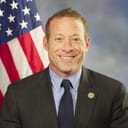
- Josh Gottheimer [D-NJ-05]
- Cosponsors
- 1 · 1 Republican
- Policy area
- Finance and Financial Sector
- Committee
- Financial Services Committee
- Latest action
- Jun 30, 2020 · Received in the Senate.
- IntroducedDec 6, 2019
- Passed the HouseJun 29, 2020
- Passed the SenateNot yet reached
- Sent to the PresidentNot yet reached
- Became lawNot yet reached
Protecting Your Credit Score Act of 2020
This bill revises provisions related to consumer credit reports and credit reporting agencies.
(Sec. 2) Credit reporting agencies are directed to create a central online portal that allows consumers to (1) access free credit reports and credit scores, (2) dispute errors, and (3) place or lift security freezes.
(Sec. 3) Credit reporting agencies must verify specified identifying information when adding credit information to a consumer's file. Credit reporting agencies must also perform periodic audits of credit reports to ensure accuracy.
(Sec. 4) A credit reporting ombudsperson, whose responsibilities include resolving persistent errors by credit reporting agencies, is established at the Consumer Financial Protection Bureau (CFPB).
Credit reporting agencies must provide a consumer with additional information after an agency's reinvestigation of disputed credit information.
(Sec. 5) A court may award injunctive relief to compel a credit reporting agency to comply with credit report protections.
(Sec. 6) Consumers will receive a free credit score upon request and upon certain adverse credit decisions.
Credit reporting agencies must provide available information to consumers regarding the purpose behind the procurement of a credit report.
(Sec. 7) The bill establishes a public registry for credit reporting agencies.
(Sec. 8) The bill also provides the CFPB with statutory authority for supervising credit reporting agencies.
(Sec. 9) The bill gives the CFPB the authority to establish data security requirements for credit reporting agencies.
(Sec. 10) The CFPB must report on the effectiveness of specified audits in addressing data security risks at credit reporting agencies.
(Sec. 11) The Government Accountability Office must report on the feasibility of credit reporting agencies replacing Social Security numbers as identifiers with another type of federal identification.
Written by the nonpartisan Congressional Research Service, describing H.R. 5332 as passed House on Jun 29, 2020. It is not the text of the measure; a later amendment may have changed what it does.
Choose a roll call
Jun 29, 2020Each bar: ✓ Yea from the bottom, ✕ Nay aboveJun 29, 2020
House Jun 29, 2020 · the primary vote
On Passage
Protecting Your Credit Score Act
Passed
234 Yea 179 Nay 17 not voting
Party-line vote 5 of 413 voting members broke with their own party: 2 Democrats, 3 Republicans.
How the chamber split
DemocratsRepublicansFilled: YeaRing: NayGrey: not voting or present
Showing 430 of 430 members
- RAbrahamLA · RepublicanNot voting
- DAlma S. AdamsNC-12 · DemocraticRunning in 2026Yea
- RRobert B. AderholtAL-04 · RepublicanRunning in 2026Nay
- DPete AguilarCA-33 · DemocraticRunning in 2026Yea
- RRick W. AllenGA-12 · RepublicanRunning in 2026Nay
- DAllredTX · DemocraticYea
- RAmashMI · RepublicanNay
- RMark E. AmodeiNV-02 · RepublicanNay
- RArmstrongND · RepublicanNay
- RJodey C. ArringtonTX-19 · RepublicanNay
- DAxneIA · DemocraticYea
- RBrian BabinTX-36 · RepublicanRunning in 2026Nay
- RDon BaconNE-02 · RepublicanNay
- RJames R. BairdIN-04 · RepublicanRunning in 2026Nay
- RTroy BaldersonOH-12 · RepublicanRunning in 2026Nay
- RBanksIN · RepublicanNay
- RAndy BarrKY-06 · RepublicanNay
- DNanette Diaz BarragánCA-44 · DemocraticRunning in 2026Yea
- DBassCA · DemocraticYea
- DJoyce BeattyOH-03 · DemocraticRunning in 2026Yea
- DAmi BeraCA-06 · DemocraticRunning in 2026Yea
- RJack BergmanMI-01 · RepublicanRunning in 2026Nay
- DDonald S. Beyer, Jr.VA-08 · DemocraticRunning in 2026Yea
- RAndy BiggsAZ-05 · RepublicanNay
- RGus M. BilirakisFL-12 · RepublicanRunning in 2026Nay
- DSanford D. Bishop, Jr.GA-02 · DemocraticRunning in 2026Yea
- RBishop (NC)NC · RepublicanNay
- RBishop (UT)UT · RepublicanNay
- DBlumenauerOR · DemocraticYea
- DBlunt RochesterDE · DemocraticYea
- DSuzanne BonamiciOR-01 · DemocraticRunning in 2026Yea
- RMike BostIL-12 · RepublicanRunning in 2026Nay
- DBrendan F. BoylePA-02 · DemocraticRunning in 2026Yea
- RBradyTX · RepublicanNay
- DBrindisiNY · DemocraticYea
- RBrooks (AL)AL · RepublicanNay
- RBrooks (IN)IN · RepublicanNay
- DBrown (MD)MD · DemocraticYea
- DJulia BrownleyCA-26 · DemocraticYea
- RVern BuchananFL-16 · RepublicanNay
- RBuckCO · RepublicanNay
- RBucshonIN · RepublicanNay
- RBuddNC · RepublicanNay
- RTim BurchettTN-02 · RepublicanRunning in 2026Nay
- RBurgessTX · RepublicanNay
- DBustosIL · DemocraticYea
- DButterfieldNC · DemocraticYea
- RByrneAL · RepublicanNay
- RKen CalvertCA-41 · RepublicanRunning in 2026Nay
- DSalud O. CarbajalCA-24 · DemocraticRunning in 2026Yea
- DCárdenasCA · DemocraticYea
- DAndré CarsonIN-07 · DemocraticRunning in 2026Yea
- REarl L. "Buddy" CarterGA-01 · RepublicanNay
- RJohn R. CarterTX-31 · RepublicanRunning in 2026Nay
- DCartwrightPA · DemocraticYea
- DEd CaseHI-01 · DemocraticRunning in 2026Yea
- DSean CastenIL-06 · DemocraticRunning in 2026Yea
- DKathy CastorFL-14 · DemocraticRunning in 2026Yea
- DJoaquin CastroTX-20 · DemocraticRunning in 2026Yea
- RChabotOH · RepublicanNay
- RCheneyWY · RepublicanNay
- DJudy ChuCA-28 · DemocraticRunning in 2026Yea
- DCicillineRI · DemocraticYea
- DGilbert Ray Cisneros, Jr.CA-31 · DemocraticRunning in 2026Yea
- DKatherine M. ClarkMA-05 · DemocraticRunning in 2026Yea
- DYvette D. ClarkeNY-09 · DemocraticRunning in 2026Yea
- DClayMO · DemocraticYea
- DEmanuel CleaverMO-05 · DemocraticRunning in 2026Yea
- RBen ClineVA-06 · RepublicanRunning in 2026Nay
- RMichael CloudTX-27 · RepublicanRunning in 2026Nay
- DJames E. ClyburnSC-06 · DemocraticRunning in 2026Yea
- DSteve CohenTN-09 · DemocraticRunning in 2026Yea
- RTom ColeOK-04 · RepublicanRunning in 2026Nay
- RCollins (GA)GA · RepublicanNay
- RJames ComerKY-01 · RepublicanRunning in 2026Nay
- RConawayTX · RepublicanNay
- DConnollyVA · DemocraticYea
- RCookCA · RepublicanNay
- DCooperTN · DemocraticYea
- DJ. Luis CorreaCA-46 · DemocraticRunning in 2026Yea
- DJim CostaCA-21 · DemocraticRunning in 2026Yea
- DJoe CourtneyCT-02 · DemocraticRunning in 2026Yea
- DCox (CA)CA · DemocraticYea
- DAngie CraigMN-02 · DemocraticYea
- REric A. "Rick" CrawfordAR-01 · RepublicanRunning in 2026Nay
- RDan CrenshawTX-02 · RepublicanRunning in 2026Nay
- DCristFL · DemocraticYea
- DJason CrowCO-06 · DemocraticRunning in 2026Yea
- DHenry CuellarTX-28 · DemocraticRunning in 2026Yea
- DCunninghamSC · DemocraticYea
- RCurtisUT · RepublicanNay
- DSharice DavidsKS-03 · DemocraticRunning in 2026Yea
- RWarren DavidsonOH-08 · RepublicanRunning in 2026Nay
- DDanny K. DavisIL-07 · DemocraticYea
- DDavis (CA)CA · DemocraticYea
- RDavis, RodneyIL · RepublicanNay
- DMadeleine DeanPA-04 · DemocraticRunning in 2026Yea
- DDeFazioOR · DemocraticYea
- DDiana DeGetteCO-01 · DemocraticRunning in 2026Yea
- DRosa L. DeLauroCT-03 · DemocraticRunning in 2026Yea
- DSuzan K. DelBeneWA-01 · DemocraticRunning in 2026Yea
- DDelgadoNY · DemocraticYea
- DDemingsFL · DemocraticYea
- DMark DeSaulnierCA-10 · DemocraticRunning in 2026Yea
- RScott DesJarlaisTN-04 · RepublicanRunning in 2026Nay
- DDeutchFL · DemocraticYea
- RMario Diaz-BalartFL-26 · RepublicanRunning in 2026Nay
- DDebbie DingellMI-06 · DemocraticRunning in 2026Yea
- DLloyd DoggettTX-37 · DemocraticYea
- DDoyle, Michael F.PA · DemocraticYea
- RDuncanSC · RepublicanNay
- RNeal P. DunnFL-02 · RepublicanNay
- RTom EmmerMN-06 · RepublicanRunning in 2026Not voting
- DEngelNY · DemocraticYea
- DVeronica EscobarTX-16 · DemocraticRunning in 2026Yea
- DEshooCA · DemocraticYea
- DAdriano EspaillatNY-13 · DemocraticRunning in 2026Yea
- RRon EstesKS-04 · RepublicanRunning in 2026Nay
- DDwight EvansPA-03 · DemocraticYea
- RFergusonGA · RepublicanNay
- DFinkenauerIA · DemocraticYea
- RBrian K. FitzpatrickPA-01 · RepublicanRunning in 2026Nay
- RCharles J. "Chuck" FleischmannTN-03 · RepublicanRunning in 2026Nay
- DLizzie FletcherTX-07 · DemocraticRunning in 2026Yea
- RFloresTX · RepublicanNay
- RFortenberryNE · RepublicanNay
- DBill FosterIL-11 · DemocraticRunning in 2026Yea
- RVirginia FoxxNC-05 · RepublicanRunning in 2026Nay
- DLois FrankelFL-22 · DemocraticRunning in 2026Yea
- DFudgeOH · DemocraticYea
- RRuss FulcherID-01 · RepublicanRunning in 2026Nay
- DGabbardHI · DemocraticYea
- RGaetzFL · RepublicanNay
- RGallagherWI · RepublicanNot voting
- DGallegoAZ · DemocraticYea
- DJohn GaramendiCA-08 · DemocraticRunning in 2026Yea
- DSylvia R. GarciaTX-29 · DemocraticRunning in 2026Yea
- DJesús G. "Chuy" GarcíaIL-04 · DemocraticYea
- RGarcia (CA)CA · RepublicanNay
- RGianforteMT · RepublicanNay
- RGibbsOH · RepublicanNay
- RGohmertTX · RepublicanNay
- DJared F. GoldenME-02 · DemocraticYea
- DJimmy GomezCA-34 · DemocraticRunning in 2026Yea
- DVicente GonzalezTX-34 · DemocraticRunning in 2026Yea
- RGonzalez (OH)OH · RepublicanNay
- RLance GoodenTX-05 · RepublicanRunning in 2026Nay
- RPaul A. GosarAZ-09 · RepublicanRunning in 2026Not voting
- DJosh GottheimerNJ-05 · DemocraticRunning in 2026Yea
- RGrangerTX · RepublicanNot voting
- RSam GravesMO-06 · RepublicanNay
- RGraves (GA)GA · RepublicanNay
- RGraves (LA)LA · RepublicanNay
- DAl GreenTX-09 · DemocraticRunning in 2026Yea
- RGreen (TN)TN · RepublicanNay
- RH. Morgan GriffithVA-09 · RepublicanRunning in 2026Nay
- DGrijalvaAZ · DemocraticYea
- RGlenn GrothmanWI-06 · RepublicanRunning in 2026Nay
- RMichael GuestMS-03 · RepublicanRunning in 2026Nay
- RBrett GuthrieKY-02 · RepublicanRunning in 2026Not voting
- DHaalandNM · DemocraticYea
- RHagedornMN · RepublicanNay
- DJosh HarderCA-09 · DemocraticRunning in 2026Yea
- RAndy HarrisMD-01 · RepublicanRunning in 2026Nay
- RHartzlerMO · RepublicanNay
- DHastingsFL · DemocraticYea
- DJahana HayesCT-05 · DemocraticRunning in 2026Yea
- DHeckWA · DemocraticYea
- RKevin HernOK-01 · RepublicanNay
- RHerrera BeutlerWA · RepublicanNay
- RHice (GA)GA · RepublicanNay
- RClay HigginsLA-03 · RepublicanRunning in 2026Nay
- DHiggins (NY)NY · DemocraticYea
- RJ. French HillAR-02 · RepublicanRunning in 2026Nay
- DJames A. HimesCT-04 · DemocraticRunning in 2026Yea
- RHoldingNC · RepublicanNay
- RHollingsworthIN · RepublicanNay
- DHorn, Kendra S.OK · DemocraticYea
- DSteven HorsfordNV-04 · DemocraticRunning in 2026Yea
- DChrissy HoulahanPA-06 · DemocraticRunning in 2026Yea
- DSteny H. HoyerMD-05 · DemocraticYea
- RRichard HudsonNC-09 · RepublicanRunning in 2026Nay
- DJared HuffmanCA-02 · DemocraticRunning in 2026Yea
- RBill HuizengaMI-04 · RepublicanRunning in 2026Nay
- RHurd (TX)TX · RepublicanNay
- DJackson LeeTX · DemocraticYea
- DPramila JayapalWA-07 · DemocraticRunning in 2026Yea
- DHakeem S. JeffriesNY-08 · DemocraticRunning in 2026Yea
- DHenry C. "Hank" Johnson, Jr.GA-04 · DemocraticRunning in 2026Yea
- RMike JohnsonLA-04 · RepublicanRunning in 2026Nay
- RDusty JohnsonSD-00 · RepublicanNay
- RJohnson (OH)OH · RepublicanNay
- DJohnson (TX)TX · DemocraticYea
- RJim JordanOH-04 · RepublicanRunning in 2026Nay
- RDavid P. JoyceOH-14 · RepublicanRunning in 2026Not voting
- RJohn JoycePA-13 · RepublicanRunning in 2026Nay
- DMarcy KapturOH-09 · DemocraticRunning in 2026Yea
- RKatkoNY · RepublicanNot voting
- DWilliam R. KeatingMA-09 · DemocraticRunning in 2026Yea
- RKellerPA · RepublicanNay
- DRobin L. KellyIL-02 · DemocraticYea
- RTrent KellyMS-01 · RepublicanRunning in 2026Nay
- RMike KellyPA-16 · RepublicanRunning in 2026Nay
- DKennedyMA · DemocraticYea
- DRo KhannaCA-17 · DemocraticRunning in 2026Yea
- DKildeeMI · DemocraticYea
- DKilmerWA · DemocraticYea
- DKimNJ · DemocraticYea
- DKindWI · DemocraticYea
- RKing (IA)IA · RepublicanNot voting
- RKing (NY)NY · RepublicanNay
- RKinzingerIL · RepublicanNay
- DKirkpatrickAZ · DemocraticYea
- DRaja KrishnamoorthiIL-08 · DemocraticYea
- DKuster (NH)NH · DemocraticYea
- RDavid KustoffTN-08 · RepublicanRunning in 2026Nay
- RDarin LaHoodIL-16 · RepublicanRunning in 2026Nay
- RLaMalfaCA · RepublicanNay
- DLambPA · DemocraticYea
- RLambornCO · RepublicanNay
- DLangevinRI · DemocraticYea
- DRick LarsenWA-02 · DemocraticRunning in 2026Yea
- DJohn B. LarsonCT-01 · DemocraticRunning in 2026Yea
- RRobert E. LattaOH-05 · RepublicanRunning in 2026Nay
- DLawrenceMI · DemocraticYea
- DLawson (FL)FL · DemocraticYea
- DSusie LeeNV-03 · DemocraticRunning in 2026Yea
- DLee (CA)CA · DemocraticYea
- RLeskoAZ · RepublicanNay
- DMike LevinCA-49 · DemocraticRunning in 2026Yea
- DLevin (MI)MI · DemocraticYea
- DLewisGA · DemocraticYea
- DTed LieuCA-36 · DemocraticRunning in 2026Yea
- DLipinskiIL · DemocraticYea
- DLoebsackIA · DemocraticYea
- DZoe LofgrenCA-18 · DemocraticRunning in 2026Yea
- RLongMO · RepublicanNay
- RBarry LoudermilkGA-11 · RepublicanNot voting
- DLowenthalCA · DemocraticYea
- DLoweyNY · DemocraticYea
- RFrank D. LucasOK-03 · RepublicanRunning in 2026Nay
- RLuetkemeyerMO · RepublicanNay
- DLujánNM · DemocraticYea
- DLuriaVA · DemocraticYea
- DStephen F. LynchMA-08 · DemocraticRunning in 2026Yea
- DMalinowskiNJ · DemocraticYea
- DMaloney, Carolyn B.NY · DemocraticYea
- DMaloney, SeanNY · DemocraticYea
- RMarchantTX · RepublicanNot voting
- RMarshallKS · RepublicanNay
- RThomas MassieKY-04 · RepublicanRunning in 2026Nay
- RBrian J. MastFL-21 · RepublicanBroke with party (Republican majority)Running in 2026Yea
- DDoris O. MatsuiCA-07 · DemocraticRunning in 2026Yea
- DMcAdamsUT · DemocraticYea
- DLucy McBathGA-06 · DemocraticRunning in 2026Yea
- RMcCarthyCA · RepublicanNay
- RMichael T. McCaulTX-10 · RepublicanNay
- RTom McClintockCA-05 · RepublicanRunning in 2026Nay
- DBetty McCollumMN-04 · DemocraticRunning in 2026Yea
- DMcEachinVA · DemocraticYea
- DJames P. McGovernMA-02 · DemocraticRunning in 2026Yea
- RMcHenryNC · RepublicanNay
- RMcKinleyWV · RepublicanNay
- RMcMorris RodgersWA · RepublicanNot voting
- DMcNerneyCA · DemocraticYea
- DGregory W. MeeksNY-05 · DemocraticRunning in 2026Yea
- DGrace MengNY-06 · DemocraticRunning in 2026Yea
- RDaniel MeuserPA-09 · RepublicanRunning in 2026Nay
- DKweisi MfumeMD-07 · DemocraticRunning in 2026Yea
- RCarol D. MillerWV-01 · RepublicanRunning in 2026Nay
- RMitchellMI · RepublicanNay
- RJohn R. MoolenaarMI-02 · RepublicanRunning in 2026Nay
- RMooney (WV)WV · RepublicanNay
- DGwen MooreWI-04 · DemocraticRunning in 2026Yea
- DJoseph D. MorelleNY-25 · DemocraticRunning in 2026Yea
- DSeth MoultonMA-06 · DemocraticYea
- DMucarsel-PowellFL · DemocraticYea
- RMullinOK · RepublicanNay
- DMurphyFL · DemocraticYea
- RGregory F. MurphyNC-03 · RepublicanRunning in 2026Nay
- DJerrold NadlerNY-12 · DemocraticYea
- DNapolitanoCA · DemocraticYea
- DRichard E. NealMA-01 · DemocraticRunning in 2026Yea
- DJoe NeguseCO-02 · DemocraticRunning in 2026Yea
- RDan NewhouseWA-04 · RepublicanNay
- DDonald NorcrossNJ-01 · DemocraticRunning in 2026Yea
- RRalph NormanSC-05 · RepublicanNay
- RNunesCA · RepublicanNay
- DO'HalleranAZ · DemocraticYea
- DAlexandria Ocasio-CortezNY-14 · DemocraticRunning in 2026Yea
- ROlsonTX · RepublicanNay
- DIlhan OmarMN-05 · DemocraticRunning in 2026Yea
- RPalazzoMS · RepublicanNot voting
- DFrank Pallone, Jr.NJ-06 · DemocraticRunning in 2026Yea
- RGary J. PalmerAL-06 · RepublicanRunning in 2026Nay
- DJimmy PanettaCA-19 · DemocraticRunning in 2026Yea
- DChris PappasNH-01 · DemocraticYea
- DPascrellNJ · DemocraticYea
- DPayneNJ · DemocraticYea
- RPenceIN · RepublicanNay
- DPerlmutterCO · DemocraticYea
- RScott PerryPA-10 · RepublicanRunning in 2026Nay
- DScott H. PetersCA-50 · DemocraticRunning in 2026Yea
- DPetersonMN · DemocraticBroke with party (Democratic majority)Nay
- DPhillipsMN · DemocraticYea
- DChellie PingreeME-01 · DemocraticRunning in 2026Yea
- DMark PocanWI-02 · DemocraticRunning in 2026Yea
- DPorterCA · DemocraticYea
- RPoseyFL · RepublicanNay
- DAyanna PressleyMA-07 · DemocraticRunning in 2026Yea
- DPrice (NC)NC · DemocraticYea
- DMike QuigleyIL-05 · DemocraticRunning in 2026Yea
- DJamie RaskinMD-08 · DemocraticRunning in 2026Yea
- RReedNY · RepublicanBroke with party (Republican majority)Yea
- RGuy ReschenthalerPA-14 · RepublicanRunning in 2026Nay
- DRice (NY)NY · DemocraticYea
- RRice (SC)SC · RepublicanNay
- DRichmondLA · DemocraticYea
- RRigglemanVA · RepublicanNay
- RRobyAL · RepublicanNot voting
- RRoe, David P.TN · RepublicanNay
- RMike RogersAL-03 · RepublicanRunning in 2026Nay
- RHarold RogersKY-05 · RepublicanRunning in 2026Nay
- RRooney (FL)FL · RepublicanNot voting
- RJohn W. RoseTN-06 · RepublicanNay
- DRose (NY)NY · DemocraticYea
- DRoudaCA · DemocraticYea
- RDavid RouzerNC-07 · RepublicanRunning in 2026Nay
- RChip RoyTX-21 · RepublicanNay
- DRoybal-AllardCA · DemocraticYea
- DRaul RuizCA-25 · DemocraticRunning in 2026Yea
- DRuppersbergerMD · DemocraticYea
- DRushIL · DemocraticYea
- RJohn H. RutherfordFL-05 · RepublicanRunning in 2026Nay
- DRyanOH · DemocraticYea
- DLinda T. SánchezCA-38 · DemocraticRunning in 2026Yea
- DSarbanesMD · DemocraticYea
- RSteve ScaliseLA-01 · RepublicanRunning in 2026Nay
- DMary Gay ScanlonPA-05 · DemocraticRunning in 2026Yea
- DJanice D. SchakowskyIL-09 · DemocraticYea
- DSchiffCA · DemocraticYea
- DBradley Scott SchneiderIL-10 · DemocraticRunning in 2026Yea
- DSchraderOR · DemocraticYea
- DKim SchrierWA-08 · DemocraticRunning in 2026Yea
- RDavid SchweikertAZ-01 · RepublicanNay
- RAustin ScottGA-08 · RepublicanRunning in 2026Not voting
- DRobert C. "Bobby" ScottVA-03 · DemocraticRunning in 2026Yea
- DScott, DavidGA · DemocraticYea
- RSensenbrennerWI · RepublicanNay
- DSerranoNY · DemocraticYea
- DTerri A. SewellAL-07 · DemocraticRunning in 2026Yea
- DShalalaFL · DemocraticYea
- DBrad ShermanCA-32 · DemocraticRunning in 2026Yea
- DSherrillNJ · DemocraticYea
- RShimkusIL · RepublicanNay
- RMichael K. SimpsonID-02 · RepublicanRunning in 2026Nay
- DSiresNJ · DemocraticYea
- DSlotkinMI · DemocraticYea
- RJason SmithMO-08 · RepublicanRunning in 2026Nay
- RAdrian SmithNE-03 · RepublicanRunning in 2026Nay
- RChristopher H. SmithNJ-04 · RepublicanBroke with party (Republican majority)Running in 2026Yea
- DAdam SmithWA-09 · DemocraticRunning in 2026Yea
- RLloyd SmuckerPA-11 · RepublicanRunning in 2026Nay
- DDarren SotoFL-09 · DemocraticRunning in 2026Yea
- DSpanbergerVA · DemocraticYea
- RSpanoFL · RepublicanNay
- DSpeierCA · DemocraticYea
- DGreg StantonAZ-04 · DemocraticRunning in 2026Yea
- RPete StauberMN-08 · RepublicanRunning in 2026Nay
- RElise M. StefanikNY-21 · RepublicanNay
- RBryan SteilWI-01 · RepublicanRunning in 2026Nay
- RW. Gregory SteubeFL-17 · RepublicanRunning in 2026Nay
- DHaley M. StevensMI-11 · DemocraticYea
- RStewartUT · RepublicanNay
- RStiversOH · RepublicanNay
- DThomas R. SuozziNY-03 · DemocraticRunning in 2026Yea
- DSwalwell (CA)CA · DemocraticYea
- DMark TakanoCA-39 · DemocraticRunning in 2026Yea
- RTaylorTX · RepublicanNay
- DMike ThompsonCA-04 · DemocraticRunning in 2026Yea
- DBennie G. ThompsonMS-02 · DemocraticRunning in 2026Yea
- RGlenn ThompsonPA-15 · RepublicanRunning in 2026Nay
- RThornberryTX · RepublicanNay
- RThomas P. TiffanyWI-07 · RepublicanNay
- RWilliam R. Timmons IVSC-04 · RepublicanRunning in 2026Nay
- RTiptonCO · RepublicanNay
- DDina TitusNV-01 · DemocraticRunning in 2026Yea
- DRashida TlaibMI-12 · DemocraticRunning in 2026Yea
- DPaul TonkoNY-20 · DemocraticRunning in 2026Yea
- DNorma J. TorresCA-35 · DemocraticRunning in 2026Yea
- DTorres Small (NM)NM · DemocraticYea
- DLori TrahanMA-03 · DemocraticRunning in 2026Yea
- DTroneMD · DemocraticYea
- RMichael R. TurnerOH-10 · RepublicanRunning in 2026Nay
- DLauren UnderwoodIL-14 · DemocraticRunning in 2026Yea
- RUptonMI · RepublicanNay
- DJefferson Van DrewNJ-02 · DemocraticBroke with party (Democratic majority)Running in 2026Nay
- DJuan VargasCA-52 · DemocraticRunning in 2026Yea
- DMarc A. VeaseyTX-33 · DemocraticYea
- DVelaTX · DemocraticYea
- DNydia M. VelázquezNY-07 · DemocraticYea
- DViscloskyIN · DemocraticYea
- RAnn WagnerMO-02 · RepublicanRunning in 2026Nay
- RTim WalbergMI-05 · RepublicanRunning in 2026Nay
- RWaldenOR · RepublicanNay
- RWalkerNC · RepublicanNay
- RWalorskiIN · RepublicanNay
- RWaltzFL · RepublicanNay
- DDebbie Wasserman SchultzFL-25 · DemocraticRunning in 2026Yea
- DMaxine WatersCA-43 · DemocraticRunning in 2026Yea
- RWatkinsKS · RepublicanNay
- DBonnie Watson ColemanNJ-12 · DemocraticYea
- RRandy K. Weber, Sr.TX-14 · RepublicanRunning in 2026Not voting
- RDaniel WebsterFL-11 · RepublicanRunning in 2026Nay
- DWelchVT · DemocraticYea
- RWenstrupOH · RepublicanNay
- RBruce WestermanAR-04 · RepublicanRunning in 2026Nay
- DWextonVA · DemocraticYea
- DWildPA · DemocraticYea
- RRoger WilliamsTX-25 · RepublicanRunning in 2026Nay
- DFrederica S. WilsonFL-24 · DemocraticYea
- RJoe WilsonSC-02 · RepublicanRunning in 2026Nay
- RRobert J. WittmanVA-01 · RepublicanRunning in 2026Nay
- RSteve WomackAR-03 · RepublicanRunning in 2026Nay
- RWoodallGA · RepublicanNay
- RWrightTX · RepublicanNay
- DYarmuthKY · DemocraticYea
- RYohoFL · RepublicanNay
- RYoungAK · RepublicanNay
- RZeldinNY · RepublicanNay
430 members on this roll call, from the official House record. Party majorities need at least five voting members, so an independent never counts as breaking with a party.
Signing on is not a vote: a member can cosponsor H.R. 5332 and vote against it. 1 signed when it was filed.
RTom Reed [R-NY-23]