Loading the public record
Where They Stand is a nonpartisan guide to everyone running for Congress: their money, their own words and how incumbents voted. Find your ballot →
All recent votes116th CongressHouse
H.R. 8Bipartisan Background Checks Act of 2019
- Sponsor
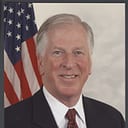
- Mike Thompson [D-CA-05]
- Cosponsors
- 232 · 227 Democrats · 5 Republicans
- Policy area
- Crime and Law Enforcement
- Committee
- Judiciary Committee
- Latest action
- Mar 4, 2019 · Read the second time. Placed on Senate Legislative Calendar under General Orders. Calendar No. 29.
- IntroducedJan 8, 2019
- Passed the HouseFeb 27, 2019
- Passed the SenateNot yet reached
- Sent to the PresidentNot yet reached
- Became lawNot yet reached
Bipartisan Background Checks Act of 2019
This bill establishes new background check requirements for firearm transfers between private parties (i.e., unlicensed individuals).
Specifically, it prohibits a firearm transfer between private parties unless a licensed gun dealer, manufacturer, or importer first takes possession of the firearm to conduct a background check.
The prohibition does not apply to certain firearm transfers, such as a gift between spouses in good faith.
Written by the nonpartisan Congressional Research Service, describing H.R. 8 as passed House on Feb 27, 2019. It is not the text of the measure; a later amendment may have changed what it does.
Choose a roll call
Feb 27, 2019Each bar: ✓ Yea from the bottom, ✕ Nay aboveFeb 27, 2019
House Feb 27, 2019 · the primary vote
On Passage
Bipartisan Background Checks Act
Passed
240 Yea 190 Nay 2 not voting
Party-line vote 10 of 430 voting members broke with their own party: 2 Democrats, 8 Republicans.
How the chamber split
DemocratsRepublicansFilled: YeaRing: NayGrey: not voting or present
Showing 432 of 432 members
- RAbrahamLA · RepublicanNay
- DAlma S. AdamsNC-12 · DemocraticRunning in 2026Yea
- RRobert B. AderholtAL-04 · RepublicanRunning in 2026Nay
- DPete AguilarCA-33 · DemocraticRunning in 2026Yea
- RRick W. AllenGA-12 · RepublicanRunning in 2026Nay
- DAllredTX · DemocraticYea
- RAmashMI · RepublicanNay
- RMark E. AmodeiNV-02 · RepublicanNay
- RArmstrongND · RepublicanNay
- RJodey C. ArringtonTX-19 · RepublicanNay
- DAxneIA · DemocraticYea
- RBrian BabinTX-36 · RepublicanRunning in 2026Nay
- RDon BaconNE-02 · RepublicanNay
- RJames R. BairdIN-04 · RepublicanRunning in 2026Nay
- RTroy BaldersonOH-12 · RepublicanRunning in 2026Nay
- RBanksIN · RepublicanNay
- RAndy BarrKY-06 · RepublicanNay
- DNanette Diaz BarragánCA-44 · DemocraticRunning in 2026Yea
- DBassCA · DemocraticYea
- DJoyce BeattyOH-03 · DemocraticRunning in 2026Yea
- DAmi BeraCA-06 · DemocraticRunning in 2026Yea
- RJack BergmanMI-01 · RepublicanRunning in 2026Nay
- DDonald S. Beyer, Jr.VA-08 · DemocraticRunning in 2026Yea
- RAndy BiggsAZ-05 · RepublicanNay
- RGus M. BilirakisFL-12 · RepublicanRunning in 2026Nay
- DSanford D. Bishop, Jr.GA-02 · DemocraticRunning in 2026Yea
- RBishop (UT)UT · RepublicanNay
- DBlumenauerOR · DemocraticYea
- DBlunt RochesterDE · DemocraticYea
- DSuzanne BonamiciOR-01 · DemocraticRunning in 2026Yea
- RMike BostIL-12 · RepublicanRunning in 2026Nay
- DBrendan F. BoylePA-02 · DemocraticRunning in 2026Yea
- RBradyTX · RepublicanNay
- DBrindisiNY · DemocraticYea
- RBrooks (AL)AL · RepublicanNay
- RBrooks (IN)IN · RepublicanNay
- DBrown (MD)MD · DemocraticYea
- DJulia BrownleyCA-26 · DemocraticYea
- RVern BuchananFL-16 · RepublicanBroke with party (Republican majority)Yea
- RBuckCO · RepublicanNay
- RBucshonIN · RepublicanNay
- RBuddNC · RepublicanNay
- RTim BurchettTN-02 · RepublicanRunning in 2026Nay
- RBurgessTX · RepublicanNay
- DBustosIL · DemocraticYea
- DButterfieldNC · DemocraticYea
- RByrneAL · RepublicanNay
- RKen CalvertCA-41 · RepublicanRunning in 2026Nay
- DSalud O. CarbajalCA-24 · DemocraticRunning in 2026Yea
- DCárdenasCA · DemocraticYea
- DAndré CarsonIN-07 · DemocraticRunning in 2026Yea
- REarl L. "Buddy" CarterGA-01 · RepublicanNay
- RJohn R. CarterTX-31 · RepublicanRunning in 2026Nay
- DCartwrightPA · DemocraticYea
- DEd CaseHI-01 · DemocraticRunning in 2026Yea
- DSean CastenIL-06 · DemocraticRunning in 2026Yea
- DKathy CastorFL-14 · DemocraticRunning in 2026Yea
- DJoaquin CastroTX-20 · DemocraticRunning in 2026Yea
- RChabotOH · RepublicanNay
- RCheneyWY · RepublicanNay
- DJudy ChuCA-28 · DemocraticRunning in 2026Yea
- DCicillineRI · DemocraticYea
- DGilbert Ray Cisneros, Jr.CA-31 · DemocraticRunning in 2026Yea
- DKatherine M. ClarkMA-05 · DemocraticRunning in 2026Yea
- DYvette D. ClarkeNY-09 · DemocraticRunning in 2026Yea
- DClayMO · DemocraticYea
- DEmanuel CleaverMO-05 · DemocraticRunning in 2026Yea
- RBen ClineVA-06 · RepublicanRunning in 2026Nay
- RMichael CloudTX-27 · RepublicanRunning in 2026Nay
- DJames E. ClyburnSC-06 · DemocraticRunning in 2026Yea
- DSteve CohenTN-09 · DemocraticRunning in 2026Yea
- RTom ColeOK-04 · RepublicanRunning in 2026Nay
- RCollins (GA)GA · RepublicanNay
- RCollins (NY)NY · RepublicanNay
- RJames ComerKY-01 · RepublicanRunning in 2026Nay
- RConawayTX · RepublicanNay
- DConnollyVA · DemocraticYea
- RCookCA · RepublicanNay
- DCooperTN · DemocraticYea
- DJ. Luis CorreaCA-46 · DemocraticRunning in 2026Yea
- DJim CostaCA-21 · DemocraticRunning in 2026Yea
- DJoe CourtneyCT-02 · DemocraticRunning in 2026Yea
- DCox (CA)CA · DemocraticYea
- DAngie CraigMN-02 · DemocraticYea
- REric A. "Rick" CrawfordAR-01 · RepublicanRunning in 2026Nay
- RDan CrenshawTX-02 · RepublicanRunning in 2026Nay
- DCristFL · DemocraticYea
- DJason CrowCO-06 · DemocraticRunning in 2026Yea
- DHenry CuellarTX-28 · DemocraticRunning in 2026Yea
- DCummingsMD · DemocraticYea
- DCunninghamSC · DemocraticYea
- RCurtisUT · RepublicanNay
- DSharice DavidsKS-03 · DemocraticRunning in 2026Yea
- RWarren DavidsonOH-08 · RepublicanRunning in 2026Nay
- DDanny K. DavisIL-07 · DemocraticYea
- DDavis (CA)CA · DemocraticYea
- RDavis, RodneyIL · RepublicanNay
- DMadeleine DeanPA-04 · DemocraticRunning in 2026Yea
- DDeFazioOR · DemocraticYea
- DDiana DeGetteCO-01 · DemocraticRunning in 2026Yea
- DRosa L. DeLauroCT-03 · DemocraticRunning in 2026Yea
- DSuzan K. DelBeneWA-01 · DemocraticRunning in 2026Yea
- DDelgadoNY · DemocraticYea
- DDemingsFL · DemocraticYea
- DMark DeSaulnierCA-10 · DemocraticRunning in 2026Yea
- RScott DesJarlaisTN-04 · RepublicanRunning in 2026Nay
- DDeutchFL · DemocraticYea
- RMario Diaz-BalartFL-26 · RepublicanBroke with party (Republican majority)Running in 2026Yea
- DDebbie DingellMI-06 · DemocraticRunning in 2026Yea
- DLloyd DoggettTX-37 · DemocraticYea
- DDoyle, Michael F.PA · DemocraticYea
- RDuffyWI · RepublicanNay
- RDuncanSC · RepublicanNay
- RNeal P. DunnFL-02 · RepublicanNay
- RTom EmmerMN-06 · RepublicanRunning in 2026Nay
- DEngelNY · DemocraticYea
- DVeronica EscobarTX-16 · DemocraticRunning in 2026Yea
- DEshooCA · DemocraticYea
- DAdriano EspaillatNY-13 · DemocraticRunning in 2026Yea
- RRon EstesKS-04 · RepublicanRunning in 2026Nay
- DDwight EvansPA-03 · DemocraticYea
- RFergusonGA · RepublicanNay
- DFinkenauerIA · DemocraticYea
- RBrian K. FitzpatrickPA-01 · RepublicanBroke with party (Republican majority)Running in 2026Yea
- RCharles J. "Chuck" FleischmannTN-03 · RepublicanRunning in 2026Nay
- DLizzie FletcherTX-07 · DemocraticRunning in 2026Yea
- RFloresTX · RepublicanNay
- RFortenberryNE · RepublicanNay
- DBill FosterIL-11 · DemocraticRunning in 2026Yea
- RVirginia FoxxNC-05 · RepublicanRunning in 2026Nay
- DLois FrankelFL-22 · DemocraticRunning in 2026Not voting
- DFudgeOH · DemocraticYea
- RRuss FulcherID-01 · RepublicanRunning in 2026Nay
- DGabbardHI · DemocraticYea
- RGaetzFL · RepublicanNay
- RGallagherWI · RepublicanNay
- DGallegoAZ · DemocraticYea
- DJohn GaramendiCA-08 · DemocraticRunning in 2026Yea
- DSylvia R. GarciaTX-29 · DemocraticRunning in 2026Yea
- DJesús G. "Chuy" GarcíaIL-04 · DemocraticYea
- RGianforteMT · RepublicanNay
- RGibbsOH · RepublicanNay
- RGohmertTX · RepublicanNay
- DJared F. GoldenME-02 · DemocraticBroke with party (Democratic majority)Nay
- DJimmy GomezCA-34 · DemocraticRunning in 2026Yea
- DVicente GonzalezTX-34 · DemocraticRunning in 2026Yea
- RGonzalez (OH)OH · RepublicanNay
- RLance GoodenTX-05 · RepublicanRunning in 2026Nay
- RPaul A. GosarAZ-09 · RepublicanRunning in 2026Nay
- DJosh GottheimerNJ-05 · DemocraticRunning in 2026Yea
- RGrangerTX · RepublicanNay
- RSam GravesMO-06 · RepublicanNay
- RGraves (GA)GA · RepublicanNay
- RGraves (LA)LA · RepublicanNay
- DAl GreenTX-09 · DemocraticRunning in 2026Yea
- RGreen (TN)TN · RepublicanNay
- RH. Morgan GriffithVA-09 · RepublicanRunning in 2026Nay
- DGrijalvaAZ · DemocraticYea
- RGlenn GrothmanWI-06 · RepublicanRunning in 2026Nay
- RMichael GuestMS-03 · RepublicanRunning in 2026Nay
- RBrett GuthrieKY-02 · RepublicanRunning in 2026Nay
- DHaalandNM · DemocraticYea
- RHagedornMN · RepublicanNay
- DJosh HarderCA-09 · DemocraticRunning in 2026Yea
- RAndy HarrisMD-01 · RepublicanRunning in 2026Nay
- RHartzlerMO · RepublicanNay
- DHastingsFL · DemocraticYea
- DJahana HayesCT-05 · DemocraticRunning in 2026Yea
- DHeckWA · DemocraticYea
- RKevin HernOK-01 · RepublicanNay
- RHerrera BeutlerWA · RepublicanNay
- RHice (GA)GA · RepublicanNay
- RClay HigginsLA-03 · RepublicanRunning in 2026Nay
- DHiggins (NY)NY · DemocraticYea
- RJ. French HillAR-02 · RepublicanRunning in 2026Nay
- DHill (CA)CA · DemocraticYea
- DJames A. HimesCT-04 · DemocraticRunning in 2026Yea
- RHoldingNC · RepublicanNay
- RHollingsworthIN · RepublicanNay
- DHorn, Kendra S.OK · DemocraticYea
- DSteven HorsfordNV-04 · DemocraticRunning in 2026Yea
- DChrissy HoulahanPA-06 · DemocraticRunning in 2026Yea
- DSteny H. HoyerMD-05 · DemocraticYea
- RRichard HudsonNC-09 · RepublicanRunning in 2026Nay
- DJared HuffmanCA-02 · DemocraticRunning in 2026Yea
- RBill HuizengaMI-04 · RepublicanRunning in 2026Nay
- RHunterCA · RepublicanNay
- RHurd (TX)TX · RepublicanBroke with party (Republican majority)Yea
- DJackson LeeTX · DemocraticYea
- DPramila JayapalWA-07 · DemocraticRunning in 2026Yea
- DHakeem S. JeffriesNY-08 · DemocraticRunning in 2026Yea
- DHenry C. "Hank" Johnson, Jr.GA-04 · DemocraticRunning in 2026Yea
- RMike JohnsonLA-04 · RepublicanRunning in 2026Nay
- RDusty JohnsonSD-00 · RepublicanNay
- RJohnson (OH)OH · RepublicanNay
- DJohnson (TX)TX · DemocraticYea
- RJim JordanOH-04 · RepublicanRunning in 2026Nay
- RDavid P. JoyceOH-14 · RepublicanRunning in 2026Nay
- RJohn JoycePA-13 · RepublicanRunning in 2026Nay
- DMarcy KapturOH-09 · DemocraticRunning in 2026Yea
- RKatkoNY · RepublicanNot voting
- DWilliam R. KeatingMA-09 · DemocraticRunning in 2026Yea
- DRobin L. KellyIL-02 · DemocraticYea
- RTrent KellyMS-01 · RepublicanRunning in 2026Nay
- RMike KellyPA-16 · RepublicanRunning in 2026Nay
- DKennedyMA · DemocraticYea
- DRo KhannaCA-17 · DemocraticRunning in 2026Yea
- DKildeeMI · DemocraticYea
- DKilmerWA · DemocraticYea
- DKimNJ · DemocraticYea
- DKindWI · DemocraticYea
- RKing (IA)IA · RepublicanNay
- RKing (NY)NY · RepublicanBroke with party (Republican majority)Yea
- RKinzingerIL · RepublicanNay
- DKirkpatrickAZ · DemocraticYea
- DRaja KrishnamoorthiIL-08 · DemocraticYea
- DKuster (NH)NH · DemocraticYea
- RDavid KustoffTN-08 · RepublicanRunning in 2026Nay
- RDarin LaHoodIL-16 · RepublicanRunning in 2026Nay
- RLaMalfaCA · RepublicanNay
- DLambPA · DemocraticYea
- RLambornCO · RepublicanNay
- DLangevinRI · DemocraticYea
- DRick LarsenWA-02 · DemocraticRunning in 2026Yea
- DJohn B. LarsonCT-01 · DemocraticRunning in 2026Yea
- RRobert E. LattaOH-05 · RepublicanRunning in 2026Nay
- DLawrenceMI · DemocraticYea
- DLawson (FL)FL · DemocraticYea
- DSusie LeeNV-03 · DemocraticRunning in 2026Yea
- DLee (CA)CA · DemocraticYea
- RLeskoAZ · RepublicanNay
- DMike LevinCA-49 · DemocraticRunning in 2026Yea
- DLevin (MI)MI · DemocraticYea
- DLewisGA · DemocraticYea
- DTed LieuCA-36 · DemocraticRunning in 2026Yea
- DLipinskiIL · DemocraticYea
- DLoebsackIA · DemocraticYea
- DZoe LofgrenCA-18 · DemocraticRunning in 2026Yea
- RLongMO · RepublicanNay
- RBarry LoudermilkGA-11 · RepublicanNay
- DLowenthalCA · DemocraticYea
- DLoweyNY · DemocraticYea
- RFrank D. LucasOK-03 · RepublicanRunning in 2026Nay
- RLuetkemeyerMO · RepublicanNay
- DLujánNM · DemocraticYea
- DLuriaVA · DemocraticYea
- DStephen F. LynchMA-08 · DemocraticRunning in 2026Yea
- DMalinowskiNJ · DemocraticYea
- DMaloney, Carolyn B.NY · DemocraticYea
- DMaloney, SeanNY · DemocraticYea
- RMarchantTX · RepublicanNay
- RMarshallKS · RepublicanNay
- RThomas MassieKY-04 · RepublicanRunning in 2026Nay
- RBrian J. MastFL-21 · RepublicanBroke with party (Republican majority)Running in 2026Yea
- DDoris O. MatsuiCA-07 · DemocraticRunning in 2026Yea
- DMcAdamsUT · DemocraticYea
- DLucy McBathGA-06 · DemocraticRunning in 2026Yea
- RMcCarthyCA · RepublicanNay
- RMichael T. McCaulTX-10 · RepublicanNay
- RTom McClintockCA-05 · RepublicanRunning in 2026Nay
- DBetty McCollumMN-04 · DemocraticRunning in 2026Yea
- DMcEachinVA · DemocraticYea
- DJames P. McGovernMA-02 · DemocraticRunning in 2026Yea
- RMcHenryNC · RepublicanNay
- RMcKinleyWV · RepublicanNay
- RMcMorris RodgersWA · RepublicanNay
- DMcNerneyCA · DemocraticYea
- RMeadowsNC · RepublicanNay
- DGregory W. MeeksNY-05 · DemocraticRunning in 2026Yea
- DGrace MengNY-06 · DemocraticRunning in 2026Yea
- RDaniel MeuserPA-09 · RepublicanRunning in 2026Nay
- RCarol D. MillerWV-01 · RepublicanRunning in 2026Nay
- RMitchellMI · RepublicanNay
- RJohn R. MoolenaarMI-02 · RepublicanRunning in 2026Nay
- RMooney (WV)WV · RepublicanNay
- DGwen MooreWI-04 · DemocraticRunning in 2026Yea
- DJoseph D. MorelleNY-25 · DemocraticRunning in 2026Yea
- DSeth MoultonMA-06 · DemocraticYea
- DMucarsel-PowellFL · DemocraticYea
- RMullinOK · RepublicanNay
- DMurphyFL · DemocraticYea
- DJerrold NadlerNY-12 · DemocraticYea
- DNapolitanoCA · DemocraticYea
- DRichard E. NealMA-01 · DemocraticRunning in 2026Yea
- DJoe NeguseCO-02 · DemocraticRunning in 2026Yea
- RDan NewhouseWA-04 · RepublicanNay
- DDonald NorcrossNJ-01 · DemocraticRunning in 2026Yea
- RRalph NormanSC-05 · RepublicanNay
- RNunesCA · RepublicanNay
- DO'HalleranAZ · DemocraticYea
- DAlexandria Ocasio-CortezNY-14 · DemocraticRunning in 2026Yea
- ROlsonTX · RepublicanNay
- DIlhan OmarMN-05 · DemocraticRunning in 2026Yea
- RPalazzoMS · RepublicanNay
- DFrank Pallone, Jr.NJ-06 · DemocraticRunning in 2026Yea
- RGary J. PalmerAL-06 · RepublicanRunning in 2026Nay
- DJimmy PanettaCA-19 · DemocraticRunning in 2026Yea
- DChris PappasNH-01 · DemocraticYea
- DPascrellNJ · DemocraticYea
- DPayneNJ · DemocraticYea
- DNancy PelosiCA-11 · DemocraticYea
- RPenceIN · RepublicanNay
- DPerlmutterCO · DemocraticYea
- RScott PerryPA-10 · RepublicanRunning in 2026Nay
- DScott H. PetersCA-50 · DemocraticRunning in 2026Yea
- DPetersonMN · DemocraticBroke with party (Democratic majority)Nay
- DPhillipsMN · DemocraticYea
- DChellie PingreeME-01 · DemocraticRunning in 2026Yea
- DMark PocanWI-02 · DemocraticRunning in 2026Yea
- DPorterCA · DemocraticYea
- RPoseyFL · RepublicanNay
- DAyanna PressleyMA-07 · DemocraticRunning in 2026Yea
- DPrice (NC)NC · DemocraticYea
- DMike QuigleyIL-05 · DemocraticRunning in 2026Yea
- DJamie RaskinMD-08 · DemocraticRunning in 2026Yea
- RRatcliffeTX · RepublicanNay
- RReedNY · RepublicanNay
- RGuy ReschenthalerPA-14 · RepublicanRunning in 2026Nay
- DRice (NY)NY · DemocraticYea
- RRice (SC)SC · RepublicanNay
- DRichmondLA · DemocraticYea
- RRigglemanVA · RepublicanNay
- RRobyAL · RepublicanNay
- RRoe, David P.TN · RepublicanNay
- RMike RogersAL-03 · RepublicanRunning in 2026Nay
- RHarold RogersKY-05 · RepublicanRunning in 2026Nay
- RRooney (FL)FL · RepublicanNay
- RJohn W. RoseTN-06 · RepublicanNay
- DRose (NY)NY · DemocraticYea
- DRoudaCA · DemocraticYea
- RDavid RouzerNC-07 · RepublicanRunning in 2026Nay
- RChip RoyTX-21 · RepublicanNay
- DRoybal-AllardCA · DemocraticYea
- DRaul RuizCA-25 · DemocraticRunning in 2026Yea
- DRuppersbergerMD · DemocraticYea
- DRushIL · DemocraticYea
- RJohn H. RutherfordFL-05 · RepublicanRunning in 2026Nay
- DRyanOH · DemocraticYea
- DLinda T. SánchezCA-38 · DemocraticRunning in 2026Yea
- DSarbanesMD · DemocraticYea
- RSteve ScaliseLA-01 · RepublicanRunning in 2026Nay
- DMary Gay ScanlonPA-05 · DemocraticRunning in 2026Yea
- DJanice D. SchakowskyIL-09 · DemocraticYea
- DSchiffCA · DemocraticYea
- DBradley Scott SchneiderIL-10 · DemocraticRunning in 2026Yea
- DSchraderOR · DemocraticYea
- DKim SchrierWA-08 · DemocraticRunning in 2026Yea
- RDavid SchweikertAZ-01 · RepublicanNay
- RAustin ScottGA-08 · RepublicanRunning in 2026Nay
- DRobert C. "Bobby" ScottVA-03 · DemocraticRunning in 2026Yea
- DScott, DavidGA · DemocraticYea
- RSensenbrennerWI · RepublicanNay
- DSerranoNY · DemocraticYea
- DTerri A. SewellAL-07 · DemocraticRunning in 2026Yea
- DShalalaFL · DemocraticYea
- DBrad ShermanCA-32 · DemocraticRunning in 2026Yea
- DSherrillNJ · DemocraticYea
- RShimkusIL · RepublicanNay
- RMichael K. SimpsonID-02 · RepublicanRunning in 2026Nay
- DSiresNJ · DemocraticYea
- DSlotkinMI · DemocraticYea
- RJason SmithMO-08 · RepublicanRunning in 2026Nay
- RAdrian SmithNE-03 · RepublicanRunning in 2026Nay
- RChristopher H. SmithNJ-04 · RepublicanBroke with party (Republican majority)Running in 2026Yea
- DAdam SmithWA-09 · DemocraticRunning in 2026Yea
- RLloyd SmuckerPA-11 · RepublicanRunning in 2026Nay
- DDarren SotoFL-09 · DemocraticRunning in 2026Yea
- DSpanbergerVA · DemocraticYea
- RSpanoFL · RepublicanNay
- DSpeierCA · DemocraticYea
- DGreg StantonAZ-04 · DemocraticRunning in 2026Yea
- RPete StauberMN-08 · RepublicanRunning in 2026Nay
- RElise M. StefanikNY-21 · RepublicanNay
- RBryan SteilWI-01 · RepublicanRunning in 2026Nay
- RW. Gregory SteubeFL-17 · RepublicanRunning in 2026Nay
- DHaley M. StevensMI-11 · DemocraticYea
- RStewartUT · RepublicanNay
- RStiversOH · RepublicanNay
- DThomas R. SuozziNY-03 · DemocraticRunning in 2026Yea
- DSwalwell (CA)CA · DemocraticYea
- DMark TakanoCA-39 · DemocraticRunning in 2026Yea
- RTaylorTX · RepublicanNay
- DMike ThompsonCA-04 · DemocraticRunning in 2026Yea
- DBennie G. ThompsonMS-02 · DemocraticRunning in 2026Yea
- RGlenn ThompsonPA-15 · RepublicanRunning in 2026Nay
- RThornberryTX · RepublicanNay
- RWilliam R. Timmons IVSC-04 · RepublicanRunning in 2026Nay
- RTiptonCO · RepublicanNay
- DDina TitusNV-01 · DemocraticRunning in 2026Yea
- DRashida TlaibMI-12 · DemocraticRunning in 2026Yea
- DPaul TonkoNY-20 · DemocraticRunning in 2026Yea
- DNorma J. TorresCA-35 · DemocraticRunning in 2026Yea
- DTorres Small (NM)NM · DemocraticYea
- DLori TrahanMA-03 · DemocraticRunning in 2026Yea
- DTroneMD · DemocraticYea
- RMichael R. TurnerOH-10 · RepublicanRunning in 2026Nay
- DLauren UnderwoodIL-14 · DemocraticRunning in 2026Yea
- RUptonMI · RepublicanBroke with party (Republican majority)Yea
- DJefferson Van DrewNJ-02 · DemocraticRunning in 2026Yea
- DJuan VargasCA-52 · DemocraticRunning in 2026Yea
- DMarc A. VeaseyTX-33 · DemocraticYea
- DVelaTX · DemocraticYea
- DNydia M. VelázquezNY-07 · DemocraticYea
- DViscloskyIN · DemocraticYea
- RAnn WagnerMO-02 · RepublicanRunning in 2026Nay
- RTim WalbergMI-05 · RepublicanRunning in 2026Nay
- RWaldenOR · RepublicanNay
- RWalkerNC · RepublicanNay
- RWalorskiIN · RepublicanNay
- RWaltzFL · RepublicanNay
- DDebbie Wasserman SchultzFL-25 · DemocraticRunning in 2026Yea
- DMaxine WatersCA-43 · DemocraticRunning in 2026Yea
- RWatkinsKS · RepublicanNay
- DBonnie Watson ColemanNJ-12 · DemocraticYea
- RRandy K. Weber, Sr.TX-14 · RepublicanRunning in 2026Nay
- RDaniel WebsterFL-11 · RepublicanRunning in 2026Nay
- DWelchVT · DemocraticYea
- RWenstrupOH · RepublicanNay
- RBruce WestermanAR-04 · RepublicanRunning in 2026Nay
- DWextonVA · DemocraticYea
- DWildPA · DemocraticYea
- RRoger WilliamsTX-25 · RepublicanRunning in 2026Nay
- DFrederica S. WilsonFL-24 · DemocraticYea
- RJoe WilsonSC-02 · RepublicanRunning in 2026Nay
- RRobert J. WittmanVA-01 · RepublicanRunning in 2026Nay
- RSteve WomackAR-03 · RepublicanRunning in 2026Nay
- RWoodallGA · RepublicanNay
- RWrightTX · RepublicanNay
- DYarmuthKY · DemocraticYea
- RYohoFL · RepublicanNay
- RYoungAK · RepublicanNay
- RZeldinNY · RepublicanNay
432 members on this roll call, from the official House record. Party majorities need at least five voting members, so an independent never counts as breaking with a party.
Signing on is not a vote: a member can cosponsor H.R. 8 and vote against it. 9 signed when it was filed.