Loading the public record
Where They Stand is a nonpartisan guide to everyone running for Congress: their money, their own words and how incumbents voted. Find your ballot →
All recent votes115th CongressHouse
H.R. 38Concealed Carry Reciprocity Act of 2017
- Sponsor
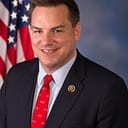
- Richard Hudson [R-NC-08]
- Cosponsors
- 213 · 210 Republicans · 3 Democrats
- Policy area
- Crime and Law Enforcement
- Committee
- Judiciary Committee
- Latest action
- Dec 7, 2017 · Received in the Senate and Read twice and referred to the Committee on the Judiciary.
- IntroducedJan 3, 2017
- Passed the HouseDec 6, 2017
- Passed the SenateNot yet reached
- Sent to the PresidentNot yet reached
- Became lawNot yet reached
Concealed Carry Reciprocity Act of 2017
TITLE I--CONCEALED CARRY RECIPROCITY ACT OF 2017
(Sec. 101) This bill amends the federal criminal code to allow a qualified individual to carry a concealed handgun into or possess a concealed handgun in another state that allows individuals to carry concealed firearms.
A qualified individual must: (1) be eligible to possess, transport, or receive a firearm under federal law; (2) carry a valid photo identification document; and (3) carry a valid concealed carry permit issued by any state or be eligible to carry a concealed firearm in his or her state of residence.
Additionally, the bill specifies that a qualified individual who lawfully carries or possesses a concealed handgun in another state: (1) is not subject to the federal prohibition on possessing a firearm in a school zone, and (2) may carry or possess the concealed handgun in federally owned lands that are open to the public.
(Sec. 102) This bill does not prohibit a law enforcement officer with reasonable suspicion of a violation of any law from conducting a brief investigative stop in accordance with the U.S. Constitution.
(Sec. 103) It specifies that certain retired and off-duty law enforcement officers who are authorized to carry concealed firearms are not subject to the federal prohibitions on possessing or discharging a firearm in a school zone.
(Sec. 104) It permits a federal judge to carry a concealed firearm in any state if the judge is not prohibited from receiving a firearm under federal law.
TITLE II--FIX NICS ACT
Fix NICS Act of 2017
(Sec. 202) This bill amends the Brady Handgun Violence Prevention Act to require each federal agency and department, including a federal court, to:
certify whether it has provided to the National Instant Criminal Background Check System (NICS) disqualifying records of persons prohibited from receiving or possessing a firearm, and
- establish and substantially comply with an implementation plan to maximize record submissions and verify their accuracy.
(Sec. 203) The bill amends the NICS Improvement Amendments Act of 2007 to modify the NICS Act Record Improvement Program (NARIP). Specifically, it:
establishes a domestic abuse and violence prevention initiative as a priority area for NARIP grant funding, and
- creates a funding preference for states that establish an implementation plan and use grant funds to upload felony conviction and domestic violence records.
Choose a roll call
Dec 6, 2017Each bar: ✓ Yea from the bottom, ✕ Nay aboveDec 6, 2017
House Dec 6, 2017 · the primary vote
On Passage
Concealed Carry Reciprocity Act of 2017
Passed
231 Yea 198 Nay 4 not voting
Party-line vote 20 of 429 voting members broke with their own party: 6 Democrats, 14 Republicans.
How the chamber split
DemocratsRepublicansFilled: YeaRing: NayGrey: not voting or present
Showing 433 of 433 members
- RAbrahamLA · RepublicanYea
- DAlma S. AdamsNC-12 · DemocraticRunning in 2026Nay
- RRobert B. AderholtAL-04 · RepublicanRunning in 2026Yea
- DPete AguilarCA-33 · DemocraticRunning in 2026Nay
- RRick W. AllenGA-12 · RepublicanRunning in 2026Yea
- RAmashMI · RepublicanBroke with party (Republican majority)Nay
- RMark E. AmodeiNV-02 · RepublicanYea
- RJodey C. ArringtonTX-19 · RepublicanYea
- RBrian BabinTX-36 · RepublicanRunning in 2026Yea
- RDon BaconNE-02 · RepublicanYea
- RBanks (IN)IN · RepublicanYea
- RBarlettaPA · RepublicanYea
- RAndy BarrKY-06 · RepublicanYea
- DNanette Diaz BarragánCA-44 · DemocraticRunning in 2026Nay
- RBartonTX · RepublicanYea
- DBassCA · DemocraticNay
- DJoyce BeattyOH-03 · DemocraticRunning in 2026Nay
- DAmi BeraCA-06 · DemocraticRunning in 2026Nay
- RJack BergmanMI-01 · RepublicanRunning in 2026Yea
- RBeutlerWA · RepublicanYea
- DDonald S. Beyer, Jr.VA-08 · DemocraticRunning in 2026Nay
- RAndy BiggsAZ-05 · RepublicanYea
- RGus M. BilirakisFL-12 · RepublicanRunning in 2026Yea
- DSanford D. Bishop, Jr.GA-02 · DemocraticBroke with party (Democratic majority)Running in 2026Yea
- RBishop (MI)MI · RepublicanYea
- RBishop (UT)UT · RepublicanYea
- RBlackTN · RepublicanYea
- RBlackburnTN · RepublicanYea
- RBlumIA · RepublicanYea
- DBlumenauerOR · DemocraticNay
- DBlunt RochesterDE · DemocraticNay
- DSuzanne BonamiciOR-01 · DemocraticRunning in 2026Nay
- RMike BostIL-12 · RepublicanRunning in 2026Yea
- DBrendan F. BoylePA-02 · DemocraticRunning in 2026Nay
- DBrady (PA)PA · DemocraticNay
- RBrady (TX)TX · RepublicanYea
- RBratVA · RepublicanYea
- RBridenstineOK · RepublicanNot voting
- RBrooks (AL)AL · RepublicanYea
- RBrooks (IN)IN · RepublicanYea
- DBrown (MD)MD · DemocraticNay
- DJulia BrownleyCA-26 · DemocraticNot voting
- RVern BuchananFL-16 · RepublicanYea
- RBuckCO · RepublicanBroke with party (Republican majority)Nay
- RBucshonIN · RepublicanYea
- RBuddNC · RepublicanYea
- RBurgessTX · RepublicanYea
- DBustosIL · DemocraticNay
- DButterfieldNC · DemocraticNay
- RByrneAL · RepublicanYea
- RKen CalvertCA-41 · RepublicanRunning in 2026Yea
- DCapuanoMA · DemocraticNay
- DSalud O. CarbajalCA-24 · DemocraticRunning in 2026Nay
- DCárdenasCA · DemocraticNay
- DAndré CarsonIN-07 · DemocraticRunning in 2026Nay
- REarl L. "Buddy" CarterGA-01 · RepublicanYea
- RJohn R. CarterTX-31 · RepublicanRunning in 2026Yea
- DCartwrightPA · DemocraticNay
- DKathy CastorFL-14 · DemocraticRunning in 2026Nay
- DJoaquin CastroTX-20 · DemocraticRunning in 2026Nay
- RChabotOH · RepublicanYea
- RCheneyWY · RepublicanYea
- DJudy ChuCA-28 · DemocraticRunning in 2026Nay
- DCicillineRI · DemocraticNay
- DKatherine M. ClarkMA-05 · DemocraticRunning in 2026Nay
- DYvette D. ClarkeNY-09 · DemocraticRunning in 2026Nay
- DClayMO · DemocraticNay
- DEmanuel CleaverMO-05 · DemocraticRunning in 2026Nay
- DJames E. ClyburnSC-06 · DemocraticRunning in 2026Nay
- RCoffmanCO · RepublicanYea
- DSteve CohenTN-09 · DemocraticRunning in 2026Nay
- RTom ColeOK-04 · RepublicanRunning in 2026Yea
- RCollins (GA)GA · RepublicanYea
- RCollins (NY)NY · RepublicanYea
- RJames ComerKY-01 · RepublicanRunning in 2026Yea
- RComstockVA · RepublicanYea
- RConawayTX · RepublicanYea
- DConnollyVA · DemocraticNay
- RCookCA · RepublicanYea
- DCooperTN · DemocraticNay
- DJ. Luis CorreaCA-46 · DemocraticRunning in 2026Nay
- DJim CostaCA-21 · DemocraticRunning in 2026Nay
- RCostello (PA)PA · RepublicanBroke with party (Republican majority)Nay
- DJoe CourtneyCT-02 · DemocraticRunning in 2026Nay
- RCramerND · RepublicanYea
- REric A. "Rick" CrawfordAR-01 · RepublicanRunning in 2026Yea
- DCristFL · DemocraticNay
- DCrowleyNY · DemocraticNay
- DHenry CuellarTX-28 · DemocraticBroke with party (Democratic majority)Running in 2026Yea
- RCulbersonTX · RepublicanYea
- DCummingsMD · DemocraticNay
- RCurbelo (FL)FL · RepublicanBroke with party (Republican majority)Nay
- RCurtisUT · RepublicanYea
- RWarren DavidsonOH-08 · RepublicanRunning in 2026Yea
- DDanny K. DavisIL-07 · DemocraticNay
- DDavis (CA)CA · DemocraticNay
- RDavis, RodneyIL · RepublicanYea
- DDeFazioOR · DemocraticNay
- DDiana DeGetteCO-01 · DemocraticRunning in 2026Nay
- DDelaneyMD · DemocraticNay
- DRosa L. DeLauroCT-03 · DemocraticRunning in 2026Nay
- DSuzan K. DelBeneWA-01 · DemocraticRunning in 2026Nay
- DDemingsFL · DemocraticNay
- RDenhamCA · RepublicanYea
- RDentPA · RepublicanYea
- RDeSantisFL · RepublicanYea
- DMark DeSaulnierCA-10 · DemocraticRunning in 2026Nay
- RScott DesJarlaisTN-04 · RepublicanRunning in 2026Yea
- DDeutchFL · DemocraticNay
- RMario Diaz-BalartFL-26 · RepublicanRunning in 2026Yea
- DDebbie DingellMI-06 · DemocraticRunning in 2026Nay
- DLloyd DoggettTX-37 · DemocraticNay
- RDonovanNY · RepublicanBroke with party (Republican majority)Nay
- DDoyle, Michael F.PA · DemocraticNay
- RDuffyWI · RepublicanYea
- RDuncan (SC)SC · RepublicanYea
- RDuncan (TN)TN · RepublicanYea
- RNeal P. DunnFL-02 · RepublicanYea
- DEllisonMN · DemocraticNay
- RTom EmmerMN-06 · RepublicanRunning in 2026Yea
- DEngelNY · DemocraticNay
- DEshooCA · DemocraticNay
- DAdriano EspaillatNY-13 · DemocraticRunning in 2026Nay
- RRon EstesKS-04 · RepublicanRunning in 2026Yea
- DEstyCT · DemocraticNay
- DDwight EvansPA-03 · DemocraticNay
- RFarentholdTX · RepublicanYea
- RFasoNY · RepublicanYea
- RFergusonGA · RepublicanYea
- RBrian K. FitzpatrickPA-01 · RepublicanBroke with party (Republican majority)Running in 2026Nay
- RCharles J. "Chuck" FleischmannTN-03 · RepublicanRunning in 2026Yea
- RFloresTX · RepublicanYea
- RFortenberryNE · RepublicanYea
- DBill FosterIL-11 · DemocraticRunning in 2026Nay
- RVirginia FoxxNC-05 · RepublicanRunning in 2026Yea
- DLois FrankelFL-22 · DemocraticRunning in 2026Nay
- RFranks (AZ)AZ · RepublicanYea
- RFrelinghuysenNJ · RepublicanYea
- DFudgeOH · DemocraticNay
- DGabbardHI · DemocraticNay
- RGaetzFL · RepublicanYea
- RGallagherWI · RepublicanYea
- DGallegoAZ · DemocraticNay
- DJohn GaramendiCA-08 · DemocraticRunning in 2026Nay
- RGarrettVA · RepublicanYea
- RGianforteMT · RepublicanYea
- RGibbsOH · RepublicanYea
- RGohmertTX · RepublicanBroke with party (Republican majority)Nay
- DJimmy GomezCA-34 · DemocraticRunning in 2026Nay
- DVicente GonzalezTX-34 · DemocraticBroke with party (Democratic majority)Running in 2026Yea
- RGoodlatteVA · RepublicanYea
- RPaul A. GosarAZ-09 · RepublicanRunning in 2026Yea
- DJosh GottheimerNJ-05 · DemocraticRunning in 2026Nay
- RGowdySC · RepublicanYea
- RGrangerTX · RepublicanYea
- RSam GravesMO-06 · RepublicanYea
- RGraves (GA)GA · RepublicanYea
- RGraves (LA)LA · RepublicanYea
- DAl GreenTX-09 · DemocraticRunning in 2026Nay
- DGreen, GeneTX · DemocraticNay
- RH. Morgan GriffithVA-09 · RepublicanRunning in 2026Yea
- DGrijalvaAZ · DemocraticNay
- RGlenn GrothmanWI-06 · RepublicanRunning in 2026Yea
- RBrett GuthrieKY-02 · RepublicanRunning in 2026Yea
- DGutiérrezIL · DemocraticNay
- DHanabusaHI · DemocraticNay
- RHandelGA · RepublicanYea
- RHarperMS · RepublicanYea
- RAndy HarrisMD-01 · RepublicanRunning in 2026Yea
- RHartzlerMO · RepublicanYea
- DHastingsFL · DemocraticNay
- DHeckWA · DemocraticNay
- RHensarlingTX · RepublicanYea
- RHice, Jody B.GA · RepublicanYea
- RClay HigginsLA-03 · RepublicanRunning in 2026Yea
- DHiggins (NY)NY · DemocraticNay
- RJ. French HillAR-02 · RepublicanRunning in 2026Yea
- DJames A. HimesCT-04 · DemocraticRunning in 2026Nay
- RHoldingNC · RepublicanYea
- RHollingsworthIN · RepublicanYea
- DSteny H. HoyerMD-05 · DemocraticNay
- RRichard HudsonNC-09 · RepublicanRunning in 2026Yea
- DJared HuffmanCA-02 · DemocraticRunning in 2026Nay
- RBill HuizengaMI-04 · RepublicanRunning in 2026Yea
- RHultgrenIL · RepublicanYea
- RHunterCA · RepublicanYea
- RHurdTX · RepublicanYea
- RDarrell IssaCA-48 · RepublicanYea
- DJackson LeeTX · DemocraticNay
- DPramila JayapalWA-07 · DemocraticRunning in 2026Nay
- DHakeem S. JeffriesNY-08 · DemocraticRunning in 2026Nay
- RJenkins (KS)KS · RepublicanYea
- RJenkins (WV)WV · RepublicanYea
- DHenry C. "Hank" Johnson, Jr.GA-04 · DemocraticRunning in 2026Nay
- RMike JohnsonLA-04 · RepublicanRunning in 2026Yea
- RJohnson (OH)OH · RepublicanYea
- DJohnson, E. B.TX · DemocraticNay
- RJohnson, SamTX · RepublicanYea
- RJonesNC · RepublicanYea
- RJim JordanOH-04 · RepublicanRunning in 2026Yea
- RDavid P. JoyceOH-14 · RepublicanRunning in 2026Yea
- DMarcy KapturOH-09 · DemocraticRunning in 2026Nay
- RKatkoNY · RepublicanYea
- DWilliam R. KeatingMA-09 · DemocraticRunning in 2026Nay
- DRobin L. KellyIL-02 · DemocraticNay
- RTrent KellyMS-01 · RepublicanRunning in 2026Yea
- RMike KellyPA-16 · RepublicanRunning in 2026Yea
- DKennedyMA · DemocraticNot voting
- DRo KhannaCA-17 · DemocraticRunning in 2026Nay
- DKihuenNV · DemocraticNay
- DKildeeMI · DemocraticNay
- DKilmerWA · DemocraticNay
- DKindWI · DemocraticBroke with party (Democratic majority)Yea
- RKing (IA)IA · RepublicanYea
- RKing (NY)NY · RepublicanBroke with party (Republican majority)Nay
- RKinzingerIL · RepublicanYea
- RKnightCA · RepublicanYea
- DRaja KrishnamoorthiIL-08 · DemocraticNay
- DKuster (NH)NH · DemocraticNay
- RDavid KustoffTN-08 · RepublicanRunning in 2026Yea
- RLabradorID · RepublicanYea
- RDarin LaHoodIL-16 · RepublicanRunning in 2026Yea
- RLaMalfaCA · RepublicanYea
- RLambornCO · RepublicanYea
- RLanceNJ · RepublicanBroke with party (Republican majority)Nay
- DLangevinRI · DemocraticNay
- DRick LarsenWA-02 · DemocraticRunning in 2026Nay
- DJohn B. LarsonCT-01 · DemocraticRunning in 2026Nay
- RRobert E. LattaOH-05 · RepublicanRunning in 2026Yea
- DLawrenceMI · DemocraticNay
- DLawson (FL)FL · DemocraticNay
- DLeeCA · DemocraticNay
- DLevinMI · DemocraticNay
- DLewis (GA)GA · DemocraticNay
- RLewis (MN)MN · RepublicanYea
- DTed LieuCA-36 · DemocraticRunning in 2026Nay
- DLipinskiIL · DemocraticNay
- RLoBiondoNJ · RepublicanYea
- DLoebsackIA · DemocraticNay
- DZoe LofgrenCA-18 · DemocraticRunning in 2026Nay
- RLongMO · RepublicanYea
- RBarry LoudermilkGA-11 · RepublicanYea
- RLoveUT · RepublicanYea
- DLowenthalCA · DemocraticNay
- DLoweyNY · DemocraticNay
- RFrank D. LucasOK-03 · RepublicanRunning in 2026Yea
- RLuetkemeyerMO · RepublicanYea
- DLujan Grisham, M.NM · DemocraticNay
- DLuján, Ben RayNM · DemocraticNay
- DStephen F. LynchMA-08 · DemocraticRunning in 2026Nay
- RMacArthurNJ · RepublicanYea
- DMaloney, Carolyn B.NY · DemocraticNay
- DMaloney, SeanNY · DemocraticNay
- RMarchantTX · RepublicanYea
- RMarinoPA · RepublicanYea
- RMarshallKS · RepublicanYea
- RThomas MassieKY-04 · RepublicanBroke with party (Republican majority)Running in 2026Nay
- RBrian J. MastFL-21 · RepublicanRunning in 2026Yea
- DDoris O. MatsuiCA-07 · DemocraticRunning in 2026Nay
- RMcCarthyCA · RepublicanYea
- RMichael T. McCaulTX-10 · RepublicanYea
- RTom McClintockCA-05 · RepublicanRunning in 2026Yea
- DBetty McCollumMN-04 · DemocraticRunning in 2026Nay
- DMcEachinVA · DemocraticNay
- DJames P. McGovernMA-02 · DemocraticRunning in 2026Nay
- RMcHenryNC · RepublicanYea
- RMcKinleyWV · RepublicanYea
- RMcMorris RodgersWA · RepublicanYea
- DMcNerneyCA · DemocraticNay
- RMcSallyAZ · RepublicanYea
- RMeadowsNC · RepublicanYea
- RMeehanPA · RepublicanBroke with party (Republican majority)Nay
- DGregory W. MeeksNY-05 · DemocraticRunning in 2026Nay
- DGrace MengNY-06 · DemocraticRunning in 2026Nay
- RMesserIN · RepublicanYea
- RMitchellMI · RepublicanYea
- RJohn R. MoolenaarMI-02 · RepublicanRunning in 2026Yea
- RMooney (WV)WV · RepublicanYea
- DGwen MooreWI-04 · DemocraticRunning in 2026Nay
- DSeth MoultonMA-06 · DemocraticNay
- RMullinOK · RepublicanYea
- DMurphy (FL)FL · DemocraticNay
- DJerrold NadlerNY-12 · DemocraticNay
- DNapolitanoCA · DemocraticNay
- DRichard E. NealMA-01 · DemocraticRunning in 2026Nay
- RDan NewhouseWA-04 · RepublicanYea
- RNoemSD · RepublicanYea
- DNolanMN · DemocraticNay
- DDonald NorcrossNJ-01 · DemocraticRunning in 2026Nay
- RRalph NormanSC-05 · RepublicanYea
- RNunesCA · RepublicanYea
- DO'HalleranAZ · DemocraticNay
- DO'RourkeTX · DemocraticNay
- ROlsonTX · RepublicanYea
- RPalazzoMS · RepublicanYea
- DFrank Pallone, Jr.NJ-06 · DemocraticRunning in 2026Nay
- RGary J. PalmerAL-06 · RepublicanRunning in 2026Yea
- DJimmy PanettaCA-19 · DemocraticRunning in 2026Nay
- DPascrellNJ · DemocraticNay
- RPaulsenMN · RepublicanYea
- DPayneNJ · DemocraticNay
- RPearceNM · RepublicanYea
- DNancy PelosiCA-11 · DemocraticNay
- DPerlmutterCO · DemocraticNay
- RScott PerryPA-10 · RepublicanRunning in 2026Yea
- DScott H. PetersCA-50 · DemocraticRunning in 2026Nay
- DPetersonMN · DemocraticBroke with party (Democratic majority)Yea
- DChellie PingreeME-01 · DemocraticRunning in 2026Nay
- RPittengerNC · RepublicanYea
- DMark PocanWI-02 · DemocraticRunning in 2026Not voting
- RPoe (TX)TX · RepublicanYea
- RPoliquinME · RepublicanYea
- DPolisCO · DemocraticNay
- RPoseyFL · RepublicanYea
- DPrice (NC)NC · DemocraticNay
- DMike QuigleyIL-05 · DemocraticRunning in 2026Nay
- DJamie RaskinMD-08 · DemocraticRunning in 2026Nay
- RRatcliffeTX · RepublicanYea
- RReedNY · RepublicanYea
- RReichertWA · RepublicanYea
- RRenacciOH · RepublicanYea
- DRice (NY)NY · DemocraticNay
- RRice (SC)SC · RepublicanYea
- DRichmondLA · DemocraticNay
- RRobyAL · RepublicanYea
- RRoe (TN)TN · RepublicanYea
- RMike RogersAL-03 · RepublicanRunning in 2026Yea
- RHarold RogersKY-05 · RepublicanRunning in 2026Yea
- RRohrabacherCA · RepublicanYea
- RRokitaIN · RepublicanYea
- RRooney, FrancisFL · RepublicanYea
- RRooney, Thomas J.FL · RepublicanYea
- RRos-LehtinenFL · RepublicanBroke with party (Republican majority)Nay
- DRosenNV · DemocraticNay
- RRoskamIL · RepublicanBroke with party (Republican majority)Nay
- RRossFL · RepublicanYea
- RRothfusPA · RepublicanYea
- RDavid RouzerNC-07 · RepublicanRunning in 2026Yea
- DRoybal-AllardCA · DemocraticNay
- RRoyce (CA)CA · RepublicanYea
- DRaul RuizCA-25 · DemocraticRunning in 2026Nay
- DRuppersbergerMD · DemocraticNay
- DRushIL · DemocraticNay
- RRussellOK · RepublicanYea
- RJohn H. RutherfordFL-05 · RepublicanRunning in 2026Yea
- DRyan (OH)OH · DemocraticNay
- RRyan (WI)WI · RepublicanYea
- DLinda T. SánchezCA-38 · DemocraticRunning in 2026Nay
- RSanfordSC · RepublicanYea
- DSarbanesMD · DemocraticNay
- RSteve ScaliseLA-01 · RepublicanRunning in 2026Yea
- DJanice D. SchakowskyIL-09 · DemocraticNay
- DSchiffCA · DemocraticNay
- DBradley Scott SchneiderIL-10 · DemocraticRunning in 2026Nay
- DSchraderOR · DemocraticBroke with party (Democratic majority)Yea
- RDavid SchweikertAZ-01 · RepublicanYea
- RAustin ScottGA-08 · RepublicanRunning in 2026Yea
- DRobert C. "Bobby" ScottVA-03 · DemocraticRunning in 2026Nay
- DScott, DavidGA · DemocraticNay
- RSensenbrennerWI · RepublicanYea
- DSerranoNY · DemocraticNay
- RPete SessionsTX-17 · RepublicanRunning in 2026Yea
- DTerri A. SewellAL-07 · DemocraticRunning in 2026Nay
- DShea-PorterNH · DemocraticNay
- DBrad ShermanCA-32 · DemocraticRunning in 2026Nay
- RShimkusIL · RepublicanYea
- RShusterPA · RepublicanYea
- RMichael K. SimpsonID-02 · RepublicanRunning in 2026Yea
- DSinemaAZ · DemocraticNay
- DSiresNJ · DemocraticNay
- DSlaughterNY · DemocraticNay
- RJason SmithMO-08 · RepublicanRunning in 2026Yea
- RAdrian SmithNE-03 · RepublicanRunning in 2026Yea
- RChristopher H. SmithNJ-04 · RepublicanBroke with party (Republican majority)Running in 2026Nay
- DAdam SmithWA-09 · DemocraticRunning in 2026Nay
- RSmith (TX)TX · RepublicanYea
- RLloyd SmuckerPA-11 · RepublicanRunning in 2026Yea
- DDarren SotoFL-09 · DemocraticRunning in 2026Nay
- DSpeierCA · DemocraticNay
- RElise M. StefanikNY-21 · RepublicanYea
- RStewartUT · RepublicanYea
- RStiversOH · RepublicanYea
- DThomas R. SuozziNY-03 · DemocraticRunning in 2026Nay
- DSwalwell (CA)CA · DemocraticNay
- DMark TakanoCA-39 · DemocraticRunning in 2026Nay
- RTaylorVA · RepublicanYea
- RClaudia TenneyNY-24 · RepublicanRunning in 2026Yea
- DMike ThompsonCA-04 · DemocraticRunning in 2026Nay
- DBennie G. ThompsonMS-02 · DemocraticRunning in 2026Nay
- RGlenn ThompsonPA-15 · RepublicanRunning in 2026Yea
- RThornberryTX · RepublicanYea
- RTiberiOH · RepublicanYea
- RTiptonCO · RepublicanYea
- DDina TitusNV-01 · DemocraticRunning in 2026Nay
- DPaul TonkoNY-20 · DemocraticRunning in 2026Nay
- DNorma J. TorresCA-35 · DemocraticRunning in 2026Nay
- RTrottMI · RepublicanYea
- DTsongasMA · DemocraticNay
- RMichael R. TurnerOH-10 · RepublicanRunning in 2026Yea
- RUptonMI · RepublicanYea
- RDavid G. ValadaoCA-22 · RepublicanRunning in 2026Yea
- DJuan VargasCA-52 · DemocraticRunning in 2026Nay
- DMarc A. VeaseyTX-33 · DemocraticNay
- DVelaTX · DemocraticNay
- DNydia M. VelázquezNY-07 · DemocraticNay
- DViscloskyIN · DemocraticNay
- RAnn WagnerMO-02 · RepublicanRunning in 2026Yea
- RTim WalbergMI-05 · RepublicanRunning in 2026Yea
- RWaldenOR · RepublicanYea
- RWalkerNC · RepublicanYea
- RWalorskiIN · RepublicanYea
- RWalters, MimiCA · RepublicanYea
- DWalzMN · DemocraticNay
- DDebbie Wasserman SchultzFL-25 · DemocraticRunning in 2026Nay
- DMaxine WatersCA-43 · DemocraticRunning in 2026Nay
- DBonnie Watson ColemanNJ-12 · DemocraticNay
- RRandy K. Weber, Sr.TX-14 · RepublicanRunning in 2026Yea
- RDaniel WebsterFL-11 · RepublicanRunning in 2026Yea
- DWelchVT · DemocraticNay
- RWenstrupOH · RepublicanYea
- RBruce WestermanAR-04 · RepublicanRunning in 2026Yea
- RRoger WilliamsTX-25 · RepublicanRunning in 2026Yea
- DFrederica S. WilsonFL-24 · DemocraticNay
- RJoe WilsonSC-02 · RepublicanRunning in 2026Yea
- RRobert J. WittmanVA-01 · RepublicanRunning in 2026Yea
- RSteve WomackAR-03 · RepublicanRunning in 2026Yea
- RWoodallGA · RepublicanYea
- DYarmuthKY · DemocraticNay
- RYoderKS · RepublicanYea
- RYohoFL · RepublicanYea
- RYoung (AK)AK · RepublicanYea
- RYoung (IA)IA · RepublicanYea
- RZeldinNY · RepublicanYea
433 members on this roll call, from the official House record. Party majorities need at least five voting members, so an independent never counts as breaking with a party.
Signing on is not a vote: a member can cosponsor H.R. 38 and vote against it. 63 signed when it was filed.