Loading the public record
Where They Stand is a nonpartisan guide to everyone running for Congress: their money, their own words and how incumbents voted. Find your ballot →
All recent votes114th CongressHouse
H.R. 1155SCRUB Act of 2016
- Sponsor
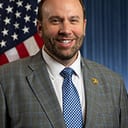
- Jason Smith [R-MO-08]
- Cosponsors
- 9 · 9 Republicans
- Policy area
- Government Operations and Politics
- Committees
- Oversight and Government Reform Committee, Judiciary Committee · and 1 more
- Latest action
- Jan 11, 2016 · Received in the Senate and Read twice and referred to the Committee on Homeland Security and Governmental Affairs.
- IntroducedFeb 27, 2015
- Passed the HouseJan 7, 2016
- Passed the SenateNot yet reached
- Sent to the PresidentNot yet reached
- Became lawNot yet reached
TITLE I--RETROSPECTIVE REGULATORY REVIEW COMMISSION
(Sec. 101) This bill establishes the Retrospective Regulatory Review Commission to conduct a review of the Code of Federal Regulations to identify rules and sets of rules that collectively implement a regulatory program that should be repealed to lower the cost of regulation. The Commission shall give priority to the review of rules or sets of rules that are major rules or that include major rules, that have been in effect more than 15 years, that impose paperwork burdens or unfunded mandates that could be reduced substantially without significantly diminishing regulatory effectiveness, that impose disproportionately high costs on small entities, or that could be strengthened in their effectiveness while reducing regulatory costs. The Commission's goal is to achieve a reduction of at least 15% in the cumulative costs of regulation with a minimal reduction in the overall effectiveness of such regulation.
Criteria the Commission shall use in identifying which rules and sets of rules should be repealed include whether:
the original purpose of the rules was achieved;
- the implementation, compliance, administration, enforcement, imposition of unfunded mandates, or other costs of the rules are not justified by a cost-benefit analysis;
- the rules have been rendered unnecessary or obsolete;
- the rules are ineffective at achieving their purposes;
- the rules overlap, duplicate, or conflict with other federal, state, or local rules;
- the rules have excessive compliance costs, impose unfunded mandates, or are otherwise excessively burdensome compared to possible alternatives;
- the rules inhibit innovation or harm competition;
- the rules limit or prevent an agency from applying new or emerging technologies to improve efficiency and effectiveness of government; and
- the rules harm wage growth, including wage growth for minimum wage and part-time workers. The Commission shall terminate on the later of 5 years and 180 days after the enactment date of this Act or 5 years after the date by which the terms of all members of the Commission have commenced.
The bill requires congressional consideration and enactment of a joint resolution of approval of recommendations of the Commission for the repeal of a rule or rules prior to agency implementation of a repeal. An agency is prohibited from: (1) reissuing rules substantially similar to rules repealed by this Act without congressional approval, or (2) issuing a new rule that results in the same adverse effects of a repealed rule.
The Commission shall establish a public website to provide information in a standard data format and shall receive and publish public comments at no cost to the public.
Choose a roll call
Jan 7, 2016Each bar: ✓ Yea from the bottom, ✕ Nay aboveJan 7, 2016
House Jan 7, 2016 · the primary vote
On Passage
Searching for and Cutting Regulations that are Unnecessarily Burdensome Act of 2015 or the “SCRUB Act of 2015”
Passed
245 Yea 174 Nay 14 not voting
Party-line vote 8 of 419 voting members broke with their own party: 6 Democrats, 2 Republicans.
How the chamber split
DemocratsRepublicansFilled: YeaRing: NayGrey: not voting or present
Showing 433 of 433 members
- RAbrahamLA · RepublicanYea
- DAlma S. AdamsNC-12 · DemocraticRunning in 2026Nay
- RRobert B. AderholtAL-04 · RepublicanRunning in 2026Yea
- DPete AguilarCA-33 · DemocraticRunning in 2026Nay
- RRick W. AllenGA-12 · RepublicanRunning in 2026Yea
- RAmashMI · RepublicanYea
- RMark E. AmodeiNV-02 · RepublicanYea
- DAshfordNE · DemocraticBroke with party (Democratic majority)Yea
- RBrian BabinTX-36 · RepublicanRunning in 2026Yea
- RBarlettaPA · RepublicanYea
- RAndy BarrKY-06 · RepublicanYea
- RBartonTX · RepublicanYea
- DBassCA · DemocraticNay
- DJoyce BeattyOH-03 · DemocraticRunning in 2026Nay
- DBecerraCA · DemocraticNay
- RBenishekMI · RepublicanYea
- DAmi BeraCA-06 · DemocraticRunning in 2026Nay
- DDonald S. Beyer, Jr.VA-08 · DemocraticRunning in 2026Nay
- RGus M. BilirakisFL-12 · RepublicanRunning in 2026Yea
- DSanford D. Bishop, Jr.GA-02 · DemocraticRunning in 2026Nay
- RBishop (MI)MI · RepublicanYea
- RBishop (UT)UT · RepublicanYea
- RBlackTN · RepublicanYea
- RBlackburnTN · RepublicanYea
- RBlumIA · RepublicanYea
- DBlumenauerOR · DemocraticNay
- DSuzanne BonamiciOR-01 · DemocraticRunning in 2026Nay
- RMike BostIL-12 · RepublicanRunning in 2026Yea
- RBoustanyLA · RepublicanYea
- DBrendan F. BoylePA-02 · DemocraticRunning in 2026Nay
- DBrady (PA)PA · DemocraticNay
- RBrady (TX)TX · RepublicanYea
- RBratVA · RepublicanYea
- RBridenstineOK · RepublicanYea
- RBrooks (AL)AL · RepublicanYea
- RBrooks (IN)IN · RepublicanYea
- DBrown (FL)FL · DemocraticNay
- DJulia BrownleyCA-26 · DemocraticNay
- RVern BuchananFL-16 · RepublicanYea
- RBuckCO · RepublicanYea
- RBucshonIN · RepublicanYea
- RBurgessTX · RepublicanYea
- DBustosIL · DemocraticNay
- DButterfieldNC · DemocraticNay
- RByrneAL · RepublicanYea
- RKen CalvertCA-41 · RepublicanRunning in 2026Yea
- DCappsCA · DemocraticNay
- DCapuanoMA · DemocraticNay
- DCárdenasCA · DemocraticNay
- DCarneyDE · DemocraticNay
- DAndré CarsonIN-07 · DemocraticRunning in 2026Nay
- REarl L. "Buddy" CarterGA-01 · RepublicanYea
- RJohn R. CarterTX-31 · RepublicanRunning in 2026Yea
- DCartwrightPA · DemocraticNay
- DKathy CastorFL-14 · DemocraticRunning in 2026Nay
- DJoaquin CastroTX-20 · DemocraticRunning in 2026Nay
- RChabotOH · RepublicanYea
- RChaffetzUT · RepublicanYea
- DJudy ChuCA-28 · DemocraticRunning in 2026Not voting
- DCicillineRI · DemocraticNay
- DKatherine M. ClarkMA-05 · DemocraticRunning in 2026Nay
- DYvette D. ClarkeNY-09 · DemocraticRunning in 2026Nay
- RClawson (FL)FL · RepublicanYea
- DClayMO · DemocraticNay
- DEmanuel CleaverMO-05 · DemocraticRunning in 2026Not voting
- DJames E. ClyburnSC-06 · DemocraticRunning in 2026Nay
- RCoffmanCO · RepublicanYea
- DSteve CohenTN-09 · DemocraticRunning in 2026Nay
- RTom ColeOK-04 · RepublicanRunning in 2026Yea
- RCollins (GA)GA · RepublicanYea
- RCollins (NY)NY · RepublicanYea
- RComstockVA · RepublicanYea
- RConawayTX · RepublicanYea
- DConnollyVA · DemocraticNay
- DConyersMI · DemocraticNay
- RCookCA · RepublicanYea
- DCooperTN · DemocraticNay
- DJim CostaCA-21 · DemocraticBroke with party (Democratic majority)Running in 2026Yea
- RCostello (PA)PA · RepublicanYea
- DJoe CourtneyCT-02 · DemocraticRunning in 2026Nay
- RCramerND · RepublicanYea
- REric A. "Rick" CrawfordAR-01 · RepublicanRunning in 2026Yea
- RCrenshawFL · RepublicanYea
- DCrowleyNY · DemocraticNay
- DHenry CuellarTX-28 · DemocraticBroke with party (Democratic majority)Running in 2026Yea
- RCulbersonTX · RepublicanYea
- DCummingsMD · DemocraticNay
- RCurbelo (FL)FL · RepublicanYea
- DDanny K. DavisIL-07 · DemocraticNay
- DDavis (CA)CA · DemocraticNay
- RDavis, RodneyIL · RepublicanYea
- DDeFazioOR · DemocraticNay
- DDiana DeGetteCO-01 · DemocraticRunning in 2026Nay
- DDelaneyMD · DemocraticNay
- DRosa L. DeLauroCT-03 · DemocraticRunning in 2026Not voting
- DSuzan K. DelBeneWA-01 · DemocraticRunning in 2026Nay
- RDenhamCA · RepublicanYea
- RDentPA · RepublicanYea
- RDeSantisFL · RepublicanYea
- DMark DeSaulnierCA-10 · DemocraticRunning in 2026Nay
- RScott DesJarlaisTN-04 · RepublicanRunning in 2026Yea
- DDeutchFL · DemocraticNay
- RMario Diaz-BalartFL-26 · RepublicanRunning in 2026Yea
- DDebbie DingellMI-06 · DemocraticRunning in 2026Nay
- DLloyd DoggettTX-37 · DemocraticNay
- RDoldIL · RepublicanYea
- RDonovanNY · RepublicanYea
- DDoyle (PA)PA · DemocraticNay
- DDuckworthIL · DemocraticNay
- RDuffyWI · RepublicanYea
- RDuncan (SC)SC · RepublicanYea
- RDuncan (TN)TN · RepublicanYea
- DEdwardsMD · DemocraticNay
- DEllisonMN · DemocraticNay
- REllmersNC · RepublicanYea
- RTom EmmerMN-06 · RepublicanRunning in 2026Yea
- DEngelNY · DemocraticNay
- DEshooCA · DemocraticNay
- DEstyCT · DemocraticNay
- RFarentholdTX · RepublicanYea
- DFarrCA · DemocraticNay
- DFattahPA · DemocraticNay
- RFincherTN · RepublicanYea
- RFitzpatrickPA · RepublicanYea
- RCharles J. "Chuck" FleischmannTN-03 · RepublicanRunning in 2026Yea
- RFlemingLA · RepublicanYea
- RFloresTX · RepublicanYea
- RForbesVA · RepublicanYea
- RFortenberryNE · RepublicanYea
- DBill FosterIL-11 · DemocraticRunning in 2026Nay
- RVirginia FoxxNC-05 · RepublicanRunning in 2026Yea
- DLois FrankelFL-22 · DemocraticRunning in 2026Nay
- RFranks (AZ)AZ · RepublicanYea
- RFrelinghuysenNJ · RepublicanYea
- DFudgeOH · DemocraticNay
- DGabbardHI · DemocraticNay
- DGallegoAZ · DemocraticNay
- DJohn GaramendiCA-08 · DemocraticRunning in 2026Nay
- RGarrettNJ · RepublicanYea
- RGibbsOH · RepublicanYea
- RGibsonNY · RepublicanYea
- RGohmertTX · RepublicanYea
- RGoodlatteVA · RepublicanYea
- RPaul A. GosarAZ-09 · RepublicanRunning in 2026Yea
- RGowdySC · RepublicanYea
- DGrahamFL · DemocraticNay
- RGrangerTX · RepublicanYea
- RSam GravesMO-06 · RepublicanYea
- RGraves (GA)GA · RepublicanYea
- RGraves (LA)LA · RepublicanYea
- DGraysonFL · DemocraticNay
- DAl GreenTX-09 · DemocraticRunning in 2026Nay
- DGreen, GeneTX · DemocraticNay
- RH. Morgan GriffithVA-09 · RepublicanRunning in 2026Yea
- DGrijalvaAZ · DemocraticNay
- RGlenn GrothmanWI-06 · RepublicanRunning in 2026Yea
- RGuintaNH · RepublicanYea
- RBrett GuthrieKY-02 · RepublicanRunning in 2026Yea
- DGutiérrezIL · DemocraticNay
- DHahnCA · DemocraticNay
- RHannaNY · RepublicanYea
- RHardyNV · RepublicanYea
- RHarperMS · RepublicanYea
- RAndy HarrisMD-01 · RepublicanRunning in 2026Yea
- RHartzlerMO · RepublicanYea
- DHastingsFL · DemocraticNay
- RHeck (NV)NV · RepublicanYea
- DHeck (WA)WA · DemocraticNay
- RHensarlingTX · RepublicanYea
- RHerrera BeutlerWA · RepublicanYea
- RHice (GA)GA · RepublicanYea
- DHigginsNY · DemocraticNay
- RJ. French HillAR-02 · RepublicanRunning in 2026Yea
- DJames A. HimesCT-04 · DemocraticRunning in 2026Nay
- DHinojosaTX · DemocraticNay
- RHoldingNC · RepublicanYea
- DHondaCA · DemocraticNay
- DSteny H. HoyerMD-05 · DemocraticNay
- RRichard HudsonNC-09 · RepublicanRunning in 2026Yea
- RHuelskampKS · RepublicanYea
- DJared HuffmanCA-02 · DemocraticRunning in 2026Nay
- RBill HuizengaMI-04 · RepublicanRunning in 2026Yea
- RHultgrenIL · RepublicanYea
- RHunterCA · RepublicanYea
- RHurd (TX)TX · RepublicanYea
- RHurt (VA)VA · RepublicanYea
- DIsraelNY · DemocraticNay
- RDarrell IssaCA-48 · RepublicanYea
- DJackson LeeTX · DemocraticNay
- DHakeem S. JeffriesNY-08 · DemocraticRunning in 2026Nay
- RJenkins (KS)KS · RepublicanYea
- RJenkins (WV)WV · RepublicanYea
- DHenry C. "Hank" Johnson, Jr.GA-04 · DemocraticRunning in 2026Nay
- RJohnson (OH)OH · RepublicanYea
- DJohnson, E. B.TX · DemocraticNot voting
- RJohnson, SamTX · RepublicanYea
- RJollyFL · RepublicanYea
- RJonesNC · RepublicanBroke with party (Republican majority)Nay
- RJim JordanOH-04 · RepublicanRunning in 2026Yea
- RDavid P. JoyceOH-14 · RepublicanRunning in 2026Yea
- DMarcy KapturOH-09 · DemocraticRunning in 2026Nay
- RKatkoNY · RepublicanYea
- DWilliam R. KeatingMA-09 · DemocraticRunning in 2026Nay
- DRobin L. KellyIL-02 · DemocraticNay
- RTrent KellyMS-01 · RepublicanRunning in 2026Yea
- RMike KellyPA-16 · RepublicanRunning in 2026Yea
- DKennedyMA · DemocraticNot voting
- DKildeeMI · DemocraticNay
- DKilmerWA · DemocraticNay
- DKindWI · DemocraticNot voting
- RKing (IA)IA · RepublicanNot voting
- RKing (NY)NY · RepublicanYea
- RKinzinger (IL)IL · RepublicanYea
- DKirkpatrickAZ · DemocraticNay
- RKlineMN · RepublicanYea
- RKnightCA · RepublicanYea
- DKusterNH · DemocraticNay
- RLabradorID · RepublicanYea
- RDarin LaHoodIL-16 · RepublicanRunning in 2026Yea
- RLaMalfaCA · RepublicanYea
- RLambornCO · RepublicanYea
- RLanceNJ · RepublicanYea
- DLangevinRI · DemocraticNay
- DRick LarsenWA-02 · DemocraticRunning in 2026Nay
- DJohn B. LarsonCT-01 · DemocraticRunning in 2026Nay
- RRobert E. LattaOH-05 · RepublicanRunning in 2026Yea
- DLawrenceMI · DemocraticNay
- DLeeCA · DemocraticNay
- DLevinMI · DemocraticNay
- DLewisGA · DemocraticNay
- DTed LieuCA-36 · DemocraticRunning in 2026Nay
- DLipinskiIL · DemocraticNay
- RLoBiondoNJ · RepublicanYea
- DLoebsackIA · DemocraticNay
- DZoe LofgrenCA-18 · DemocraticRunning in 2026Nay
- RLongMO · RepublicanYea
- RBarry LoudermilkGA-11 · RepublicanYea
- RLoveUT · RepublicanYea
- DLowenthalCA · DemocraticNay
- DLoweyNY · DemocraticNay
- RFrank D. LucasOK-03 · RepublicanRunning in 2026Yea
- RLuetkemeyerMO · RepublicanYea
- DLujan Grisham (NM)NM · DemocraticNay
- DLuján, Ben Ray (NM)NM · DemocraticNay
- RLummisWY · RepublicanYea
- DStephen F. LynchMA-08 · DemocraticRunning in 2026Nay
- RMacArthurNJ · RepublicanYea
- DMaloney, CarolynNY · DemocraticNay
- DMaloney, SeanNY · DemocraticNay
- RMarchantTX · RepublicanYea
- RMarinoPA · RepublicanYea
- RThomas MassieKY-04 · RepublicanBroke with party (Republican majority)Running in 2026Nay
- DDoris O. MatsuiCA-07 · DemocraticRunning in 2026Nay
- RMcCarthyCA · RepublicanYea
- RMichael T. McCaulTX-10 · RepublicanYea
- RTom McClintockCA-05 · RepublicanRunning in 2026Yea
- DBetty McCollumMN-04 · DemocraticRunning in 2026Nay
- DMcDermottWA · DemocraticNay
- DJames P. McGovernMA-02 · DemocraticRunning in 2026Nay
- RMcHenryNC · RepublicanYea
- RMcKinleyWV · RepublicanYea
- RMcMorris RodgersWA · RepublicanYea
- DMcNerneyCA · DemocraticNay
- RMcSallyAZ · RepublicanYea
- RMeadowsNC · RepublicanYea
- RMeehanPA · RepublicanYea
- DGregory W. MeeksNY-05 · DemocraticRunning in 2026Nay
- DGrace MengNY-06 · DemocraticRunning in 2026Nay
- RMesserIN · RepublicanYea
- RMicaFL · RepublicanYea
- RMiller (FL)FL · RepublicanYea
- RMiller (MI)MI · RepublicanNot voting
- RJohn R. MoolenaarMI-02 · RepublicanRunning in 2026Yea
- RMooney (WV)WV · RepublicanYea
- DGwen MooreWI-04 · DemocraticRunning in 2026Nay
- DSeth MoultonMA-06 · DemocraticNay
- RMullinOK · RepublicanYea
- RMulvaneySC · RepublicanYea
- DMurphy (FL)FL · DemocraticNay
- RMurphy (PA)PA · RepublicanYea
- DJerrold NadlerNY-12 · DemocraticNay
- DNapolitanoCA · DemocraticNay
- DRichard E. NealMA-01 · DemocraticRunning in 2026Nay
- RNeugebauerTX · RepublicanYea
- RDan NewhouseWA-04 · RepublicanYea
- RNoemSD · RepublicanYea
- DNolanMN · DemocraticNay
- DDonald NorcrossNJ-01 · DemocraticRunning in 2026Nay
- RNugentFL · RepublicanNot voting
- RNunesCA · RepublicanYea
- DO'RourkeTX · DemocraticNay
- ROlsonTX · RepublicanYea
- RPalazzoMS · RepublicanYea
- DFrank Pallone, Jr.NJ-06 · DemocraticRunning in 2026Nay
- RGary J. PalmerAL-06 · RepublicanRunning in 2026Yea
- DPascrellNJ · DemocraticNay
- RPaulsenMN · RepublicanYea
- DPayneNJ · DemocraticNay
- RPearceNM · RepublicanYea
- DNancy PelosiCA-11 · DemocraticNay
- DPerlmutterCO · DemocraticNay
- RScott PerryPA-10 · RepublicanRunning in 2026Yea
- DScott H. PetersCA-50 · DemocraticRunning in 2026Nay
- DPetersonMN · DemocraticBroke with party (Democratic majority)Yea
- DChellie PingreeME-01 · DemocraticRunning in 2026Nay
- RPittengerNC · RepublicanYea
- RPittsPA · RepublicanYea
- DMark PocanWI-02 · DemocraticRunning in 2026Nay
- RPoe (TX)TX · RepublicanYea
- RPoliquinME · RepublicanYea
- DPolisCO · DemocraticNay
- RPompeoKS · RepublicanYea
- RPoseyFL · RepublicanYea
- RPrice (GA)GA · RepublicanYea
- DPrice (NC)NC · DemocraticNay
- DMike QuigleyIL-05 · DemocraticRunning in 2026Nay
- DRangelNY · DemocraticNay
- RRatcliffeTX · RepublicanYea
- RReedNY · RepublicanYea
- RReichertWA · RepublicanYea
- RRenacciOH · RepublicanYea
- RRibbleWI · RepublicanYea
- DRice (NY)NY · DemocraticNay
- RRice (SC)SC · RepublicanYea
- DRichmondLA · DemocraticNay
- RRigellVA · RepublicanYea
- RRobyAL · RepublicanYea
- RRoe (TN)TN · RepublicanYea
- RMike RogersAL-03 · RepublicanRunning in 2026Yea
- RHarold RogersKY-05 · RepublicanRunning in 2026Yea
- RRohrabacherCA · RepublicanYea
- RRokitaIN · RepublicanYea
- RRooney (FL)FL · RepublicanYea
- RRos-LehtinenFL · RepublicanYea
- RRoskamIL · RepublicanYea
- RRossFL · RepublicanYea
- RRothfusPA · RepublicanYea
- RDavid RouzerNC-07 · RepublicanRunning in 2026Yea
- DRoybal-AllardCA · DemocraticNay
- RRoyceCA · RepublicanYea
- DRaul RuizCA-25 · DemocraticRunning in 2026Nay
- DRuppersbergerMD · DemocraticNay
- DRushIL · DemocraticNot voting
- RRussellOK · RepublicanYea
- DRyan (OH)OH · DemocraticNay
- RSalmonAZ · RepublicanYea
- DLinda T. SánchezCA-38 · DemocraticRunning in 2026Nay
- DSanchez, LorettaCA · DemocraticNay
- RSanfordSC · RepublicanYea
- DSarbanesMD · DemocraticNay
- RSteve ScaliseLA-01 · RepublicanRunning in 2026Yea
- DJanice D. SchakowskyIL-09 · DemocraticNay
- DSchiffCA · DemocraticNay
- DSchraderOR · DemocraticBroke with party (Democratic majority)Yea
- RDavid SchweikertAZ-01 · RepublicanYea
- RAustin ScottGA-08 · RepublicanRunning in 2026Yea
- DRobert C. "Bobby" ScottVA-03 · DemocraticRunning in 2026Nay
- DScott, DavidGA · DemocraticNay
- RSensenbrennerWI · RepublicanYea
- DSerranoNY · DemocraticNay
- RPete SessionsTX-17 · RepublicanRunning in 2026Yea
- DTerri A. SewellAL-07 · DemocraticRunning in 2026Nay
- DBrad ShermanCA-32 · DemocraticRunning in 2026Nay
- RShimkusIL · RepublicanYea
- RShusterPA · RepublicanYea
- RMichael K. SimpsonID-02 · RepublicanRunning in 2026Yea
- DSinemaAZ · DemocraticBroke with party (Democratic majority)Yea
- DSiresNJ · DemocraticNot voting
- DSlaughterNY · DemocraticNay
- RJason SmithMO-08 · RepublicanRunning in 2026Yea
- RAdrian SmithNE-03 · RepublicanRunning in 2026Yea
- RChristopher H. SmithNJ-04 · RepublicanRunning in 2026Yea
- DAdam SmithWA-09 · DemocraticRunning in 2026Not voting
- RSmith (TX)TX · RepublicanYea
- DSpeierCA · DemocraticNay
- RElise M. StefanikNY-21 · RepublicanYea
- RStewartUT · RepublicanYea
- RStiversOH · RepublicanYea
- RMarlin A. StutzmanIN-03 · RepublicanRunning in 2026Yea
- DSwalwell (CA)CA · DemocraticNay
- DTakaiHI · DemocraticNay
- DMark TakanoCA-39 · DemocraticRunning in 2026Nay
- DMike ThompsonCA-04 · DemocraticRunning in 2026Nay
- DBennie G. ThompsonMS-02 · DemocraticRunning in 2026Nay
- RGlenn ThompsonPA-15 · RepublicanRunning in 2026Yea
- RThornberryTX · RepublicanYea
- RTiberiOH · RepublicanYea
- RTiptonCO · RepublicanYea
- DDina TitusNV-01 · DemocraticRunning in 2026Not voting
- DPaul TonkoNY-20 · DemocraticRunning in 2026Nay
- DNorma J. TorresCA-35 · DemocraticRunning in 2026Nay
- RTrottMI · RepublicanYea
- DTsongasMA · DemocraticNay
- RMichael R. TurnerOH-10 · RepublicanRunning in 2026Yea
- RUptonMI · RepublicanYea
- RDavid G. ValadaoCA-22 · RepublicanRunning in 2026Yea
- DVan HollenMD · DemocraticNay
- DJuan VargasCA-52 · DemocraticRunning in 2026Nay
- DMarc A. VeaseyTX-33 · DemocraticNay
- DVelaTX · DemocraticNay
- DNydia M. VelázquezNY-07 · DemocraticNay
- DViscloskyIN · DemocraticNay
- RAnn WagnerMO-02 · RepublicanRunning in 2026Yea
- RTim WalbergMI-05 · RepublicanRunning in 2026Yea
- RWaldenOR · RepublicanYea
- RWalkerNC · RepublicanYea
- RWalorskiIN · RepublicanYea
- RWalters, MimiCA · RepublicanYea
- DWalzMN · DemocraticNay
- DDebbie Wasserman SchultzFL-25 · DemocraticRunning in 2026Nay
- DMaxine WatersCA-43 · DemocraticRunning in 2026Nay
- DBonnie Watson ColemanNJ-12 · DemocraticNay
- RRandy K. Weber, Sr.TX-14 · RepublicanRunning in 2026Yea
- RDaniel WebsterFL-11 · RepublicanRunning in 2026Not voting
- DWelchVT · DemocraticNay
- RWenstrupOH · RepublicanYea
- RBruce WestermanAR-04 · RepublicanRunning in 2026Yea
- RWestmorelandGA · RepublicanYea
- RWhitfieldKY · RepublicanYea
- RRoger WilliamsTX-25 · RepublicanRunning in 2026Yea
- DFrederica S. WilsonFL-24 · DemocraticNay
- RJoe WilsonSC-02 · RepublicanRunning in 2026Yea
- RRobert J. WittmanVA-01 · RepublicanRunning in 2026Yea
- RSteve WomackAR-03 · RepublicanRunning in 2026Yea
- RWoodallGA · RepublicanYea
- DYarmuthKY · DemocraticNay
- RYoderKS · RepublicanYea
- RYohoFL · RepublicanYea
- RYoung (AK)AK · RepublicanYea
- RYoung (IA)IA · RepublicanYea
- RYoung (IN)IN · RepublicanYea
- RZeldinNY · RepublicanYea
- RRyan K. ZinkeMT-01 · RepublicanYea
433 members on this roll call, from the official House record. Party majorities need at least five voting members, so an independent never counts as breaking with a party.
Signing on is not a vote: a member can cosponsor H.R. 1155 and vote against it. 7 signed when it was filed.