Loading the public record
Where They Stand is a nonpartisan guide to everyone running for Congress: their money, their own words and how incumbents voted. Find your ballot →
All recent votes113th CongressHouse
S. 2040Blackfoot River Land Exchange Act of 2014
- Sponsor
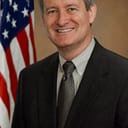
- Mike Crapo [R-ID]
- Cosponsors
- 1 · 1 Republican
- Policy area
- Native Americans
- Committee
- Indian Affairs Committee
- Latest action
- Dec 16, 2014 · Became Public Law No: 113-232.
- IntroducedFeb 25, 2014
- Passed the SenateSep 18, 2014
- Passed the HouseDec 2, 2014
- Sent to the PresidentDec 8, 2014
- Became lawDec 16, 2014
(This measure has not been amended since it was passed by the Senate on September 18, 2014. The summary of that version is repeated here.)
Blackfoot River Land Exchange Act of 2014 - (Sec. 4) Extinguishes all claims and all right, title, and interest in specified Indian and non-Indian land as part of the settlement of disputes within the Fort Hall Indian Reservation of the Shoshone-Bannock Indian Tribes in Idaho resulting from the realignment of the Blackfoot River by the Corps of Engineers in 1964.
(Sec. 5) Requires the non-Indian land to be held in trust by the United States for the Tribes.
(Sec. 6) Directs the Secretary of the Interior to transfer the Indian land to the Blackfoot River Flood Control District No. 7 for use or sale. Requires any proceeds from the sale of the land to be used to compensate: (1) each non-Indian landowner at fair market value for his or her loss of land resulting from this Act's implementation, and (2) the Blackfoot River Flood Control District No. 7 for any expenses it incurs in carrying out this Act.
Authorizes the Blackfoot River Flood Control District No. 7 to dispose of the land or proceeds that remain in any manner it determines to be appropriate.
Written by the nonpartisan Congressional Research Service, describing S. 2040 as public Law on Dec 16, 2014. It is not the text of the measure; a later amendment may have changed what it does.
House Dec 2, 2014
On Motion to Suspend the Rules and Pass
To exchange trust and fee land to resolve land disputes created by the realignment of the Blackfoot River along the boundary of the Fort Hall Indian Reservation, and for other purposes
Passed · Two-thirds required
414 Yea 0 Nay 20 not voting
Crossed both parties No voting member broke with their own party.
How the chamber split
DemocratsRepublicansFilled: YeaRing: NayGrey: not voting or present
Showing 434 of 434 members
- DAlma S. AdamsNC-12 · DemocraticRunning in 2026Yea
- RRobert B. AderholtAL-04 · RepublicanRunning in 2026Not voting
- RAmashMI · RepublicanYea
- RMark E. AmodeiNV-02 · RepublicanYea
- RBachmannMN · RepublicanYea
- RBachusAL · RepublicanYea
- DBarberAZ · DemocraticYea
- RBarlettaPA · RepublicanYea
- RAndy BarrKY-06 · RepublicanYea
- DBarrowGA · DemocraticYea
- RBartonTX · RepublicanYea
- DBassCA · DemocraticNot voting
- DJoyce BeattyOH-03 · DemocraticRunning in 2026Yea
- DBecerraCA · DemocraticYea
- RBenishekMI · RepublicanYea
- RBentivolioMI · RepublicanYea
- DAmi BeraCA-06 · DemocraticRunning in 2026Yea
- RGus M. BilirakisFL-12 · RepublicanRunning in 2026Yea
- DSanford D. Bishop, Jr.GA-02 · DemocraticRunning in 2026Yea
- DBishop (NY)NY · DemocraticYea
- RBishop (UT)UT · RepublicanYea
- RBlackTN · RepublicanYea
- RBlackburnTN · RepublicanYea
- DBlumenauerOR · DemocraticYea
- DSuzanne BonamiciOR-01 · DemocraticRunning in 2026Yea
- RBoustanyLA · RepublicanYea
- DBrady (PA)PA · DemocraticYea
- RBrady (TX)TX · RepublicanYea
- DBraley (IA)IA · DemocraticYea
- RBratVA · RepublicanYea
- RBridenstineOK · RepublicanYea
- RBrooks (AL)AL · RepublicanYea
- RBrooks (IN)IN · RepublicanYea
- RBroun (GA)GA · RepublicanYea
- DBrown (FL)FL · DemocraticYea
- DJulia BrownleyCA-26 · DemocraticYea
- RVern BuchananFL-16 · RepublicanYea
- RBucshonIN · RepublicanYea
- RBurgessTX · RepublicanYea
- DBustosIL · DemocraticYea
- DButterfieldNC · DemocraticYea
- RByrneAL · RepublicanYea
- RKen CalvertCA-41 · RepublicanRunning in 2026Yea
- RCampMI · RepublicanYea
- RCampbellCA · RepublicanYea
- RCapitoWV · RepublicanYea
- DCappsCA · DemocraticYea
- DCapuanoMA · DemocraticNot voting
- DCárdenasCA · DemocraticYea
- DCarneyDE · DemocraticYea
- DAndré CarsonIN-07 · DemocraticRunning in 2026Yea
- RJohn R. CarterTX-31 · RepublicanRunning in 2026Yea
- DCartwrightPA · DemocraticYea
- RCassidyLA · RepublicanNot voting
- DKathy CastorFL-14 · DemocraticRunning in 2026Yea
- DJoaquin CastroTX-20 · DemocraticRunning in 2026Yea
- RChabotOH · RepublicanYea
- RChaffetzUT · RepublicanYea
- DJudy ChuCA-28 · DemocraticRunning in 2026Yea
- DCicillineRI · DemocraticYea
- DKatherine M. ClarkMA-05 · DemocraticRunning in 2026Yea
- DYvette D. ClarkeNY-09 · DemocraticRunning in 2026Yea
- RClawson (FL)FL · RepublicanYea
- DClayMO · DemocraticYea
- DEmanuel CleaverMO-05 · DemocraticRunning in 2026Yea
- DJames E. ClyburnSC-06 · DemocraticRunning in 2026Yea
- RCobleNC · RepublicanYea
- RCoffmanCO · RepublicanYea
- DSteve CohenTN-09 · DemocraticRunning in 2026Yea
- RTom ColeOK-04 · RepublicanRunning in 2026Yea
- RCollins (GA)GA · RepublicanYea
- RCollins (NY)NY · RepublicanYea
- RConawayTX · RepublicanYea
- DConnollyVA · DemocraticYea
- DConyersMI · DemocraticYea
- RCookCA · RepublicanYea
- DCooperTN · DemocraticYea
- DJim CostaCA-21 · DemocraticRunning in 2026Yea
- RCottonAR · RepublicanYea
- DJoe CourtneyCT-02 · DemocraticRunning in 2026Yea
- RCramerND · RepublicanYea
- REric A. "Rick" CrawfordAR-01 · RepublicanRunning in 2026Yea
- RCrenshawFL · RepublicanYea
- DCrowleyNY · DemocraticYea
- DHenry CuellarTX-28 · DemocraticRunning in 2026Yea
- RCulbersonTX · RepublicanYea
- DCummingsMD · DemocraticYea
- RDainesMT · RepublicanYea
- DDanny K. DavisIL-07 · DemocraticYea
- DDavis (CA)CA · DemocraticYea
- RDavis, RodneyIL · RepublicanYea
- DDeFazioOR · DemocraticYea
- DDiana DeGetteCO-01 · DemocraticRunning in 2026Yea
- DDelaneyMD · DemocraticYea
- DRosa L. DeLauroCT-03 · DemocraticRunning in 2026Yea
- DSuzan K. DelBeneWA-01 · DemocraticRunning in 2026Yea
- RDenhamCA · RepublicanYea
- RDentPA · RepublicanYea
- RDeSantisFL · RepublicanYea
- RScott DesJarlaisTN-04 · RepublicanRunning in 2026Yea
- DDeutchFL · DemocraticYea
- RMario Diaz-BalartFL-26 · RepublicanRunning in 2026Yea
- DDingellMI · DemocraticYea
- DLloyd DoggettTX-37 · DemocraticYea
- DDoylePA · DemocraticNot voting
- DDuckworthIL · DemocraticNot voting
- RDuffyWI · RepublicanYea
- RDuncan (SC)SC · RepublicanYea
- RDuncan (TN)TN · RepublicanYea
- DEdwardsMD · DemocraticYea
- DEllisonMN · DemocraticYea
- REllmersNC · RepublicanYea
- DEngelNY · DemocraticYea
- DEnyartIL · DemocraticYea
- DEshooCA · DemocraticYea
- DEstyCT · DemocraticYea
- RFarentholdTX · RepublicanYea
- DFarrCA · DemocraticYea
- DFattahPA · DemocraticYea
- RFincherTN · RepublicanYea
- RFitzpatrickPA · RepublicanYea
- RCharles J. "Chuck" FleischmannTN-03 · RepublicanRunning in 2026Yea
- RFlemingLA · RepublicanYea
- RFloresTX · RepublicanYea
- RForbesVA · RepublicanYea
- RFortenberryNE · RepublicanYea
- DBill FosterIL-11 · DemocraticRunning in 2026Yea
- RVirginia FoxxNC-05 · RepublicanRunning in 2026Yea
- DLois FrankelFL-22 · DemocraticRunning in 2026Yea
- RFranks (AZ)AZ · RepublicanYea
- RFrelinghuysenNJ · RepublicanYea
- DFudgeOH · DemocraticYea
- DGabbardHI · DemocraticYea
- DGallegoTX · DemocraticYea
- DJohn GaramendiCA-08 · DemocraticRunning in 2026Yea
- DGarciaFL · DemocraticYea
- RGardnerCO · RepublicanYea
- RGarrettNJ · RepublicanNot voting
- RGerlachPA · RepublicanYea
- RGibbsOH · RepublicanYea
- RGibsonNY · RepublicanYea
- RGingrey (GA)GA · RepublicanYea
- RGohmertTX · RepublicanYea
- RGoodlatteVA · RepublicanYea
- RPaul A. GosarAZ-09 · RepublicanRunning in 2026Yea
- RGowdySC · RepublicanYea
- RGrangerTX · RepublicanYea
- RSam GravesMO-06 · RepublicanYea
- RGraves (GA)GA · RepublicanYea
- DGraysonFL · DemocraticYea
- DAl GreenTX-09 · DemocraticRunning in 2026Yea
- DGreen, GeneTX · DemocraticYea
- RGriffin (AR)AR · RepublicanYea
- RH. Morgan GriffithVA-09 · RepublicanRunning in 2026Yea
- DGrijalvaAZ · DemocraticYea
- RGrimmNY · RepublicanYea
- RBrett GuthrieKY-02 · RepublicanRunning in 2026Yea
- DGutierrezIL · DemocraticYea
- DHahnCA · DemocraticYea
- RHallTX · RepublicanNot voting
- DHanabusaHI · DemocraticYea
- RHannaNY · RepublicanYea
- RHarperMS · RepublicanYea
- RAndy HarrisMD-01 · RepublicanRunning in 2026Yea
- RHartzlerMO · RepublicanYea
- DHastings (FL)FL · DemocraticYea
- RHastings (WA)WA · RepublicanYea
- RHeck (NV)NV · RepublicanYea
- DHeck (WA)WA · DemocraticYea
- RHensarlingTX · RepublicanYea
- RHerrera BeutlerWA · RepublicanYea
- DHigginsNY · DemocraticYea
- DJames A. HimesCT-04 · DemocraticRunning in 2026Yea
- DHinojosaTX · DemocraticYea
- RHoldingNC · RepublicanYea
- DHoltNJ · DemocraticYea
- DHondaCA · DemocraticYea
- DSteven HorsfordNV-04 · DemocraticRunning in 2026Yea
- DSteny H. HoyerMD-05 · DemocraticYea
- RRichard HudsonNC-09 · RepublicanRunning in 2026Yea
- RHuelskampKS · RepublicanYea
- DJared HuffmanCA-02 · DemocraticRunning in 2026Yea
- RBill HuizengaMI-04 · RepublicanRunning in 2026Yea
- RHultgrenIL · RepublicanYea
- RHunterCA · RepublicanYea
- RHurtVA · RepublicanNot voting
- DIsraelNY · DemocraticYea
- RDarrell IssaCA-48 · RepublicanYea
- DJackson LeeTX · DemocraticYea
- DHakeem S. JeffriesNY-08 · DemocraticRunning in 2026Yea
- RJenkinsKS · RepublicanYea
- DHenry C. "Hank" Johnson, Jr.GA-04 · DemocraticRunning in 2026Yea
- RJohnson (OH)OH · RepublicanYea
- DJohnson, E. B.TX · DemocraticYea
- RJohnson, SamTX · RepublicanYea
- RJollyFL · RepublicanYea
- RJonesNC · RepublicanYea
- RJim JordanOH-04 · RepublicanRunning in 2026Yea
- RDavid P. JoyceOH-14 · RepublicanRunning in 2026Yea
- DMarcy KapturOH-09 · DemocraticRunning in 2026Yea
- DWilliam R. KeatingMA-09 · DemocraticRunning in 2026Yea
- DRobin L. KellyIL-02 · DemocraticYea
- RMike KellyPA-16 · RepublicanRunning in 2026Yea
- DKennedyMA · DemocraticYea
- DKildeeMI · DemocraticYea
- DKilmerWA · DemocraticYea
- DKindWI · DemocraticYea
- RKing (IA)IA · RepublicanYea
- RKing (NY)NY · RepublicanYea
- RKingstonGA · RepublicanNot voting
- RKinzinger (IL)IL · RepublicanYea
- DKirkpatrickAZ · DemocraticYea
- RKlineMN · RepublicanYea
- DKusterNH · DemocraticYea
- RLabradorID · RepublicanYea
- RLaMalfaCA · RepublicanYea
- RLambornCO · RepublicanYea
- RLanceNJ · RepublicanYea
- DLangevinRI · DemocraticYea
- RLankfordOK · RepublicanYea
- DRick LarsenWA-02 · DemocraticRunning in 2026Yea
- DJohn B. LarsonCT-01 · DemocraticRunning in 2026Yea
- RLathamIA · RepublicanYea
- RRobert E. LattaOH-05 · RepublicanRunning in 2026Yea
- DLee (CA)CA · DemocraticYea
- DLevinMI · DemocraticYea
- DLewisGA · DemocraticYea
- DLipinskiIL · DemocraticNot voting
- RLoBiondoNJ · RepublicanYea
- DLoebsackIA · DemocraticYea
- DZoe LofgrenCA-18 · DemocraticRunning in 2026Yea
- RLongMO · RepublicanYea
- DLowenthalCA · DemocraticYea
- DLoweyNY · DemocraticYea
- RFrank D. LucasOK-03 · RepublicanRunning in 2026Yea
- RLuetkemeyerMO · RepublicanYea
- DLujan Grisham (NM)NM · DemocraticYea
- DLuján, Ben Ray (NM)NM · DemocraticYea
- RLummisWY · RepublicanYea
- DStephen F. LynchMA-08 · DemocraticRunning in 2026Yea
- DMaffeiNY · DemocraticYea
- DMaloney, CarolynNY · DemocraticYea
- DMaloney, SeanNY · DemocraticYea
- RMarchantTX · RepublicanYea
- RMarinoPA · RepublicanYea
- RThomas MassieKY-04 · RepublicanRunning in 2026Yea
- DMathesonUT · DemocraticNot voting
- DDoris O. MatsuiCA-07 · DemocraticRunning in 2026Yea
- RMcAllisterLA · RepublicanYea
- RMcCarthy (CA)CA · RepublicanYea
- DMcCarthy (NY)NY · DemocraticNot voting
- RMichael T. McCaulTX-10 · RepublicanYea
- RTom McClintockCA-05 · RepublicanRunning in 2026Not voting
- DBetty McCollumMN-04 · DemocraticRunning in 2026Yea
- DMcDermottWA · DemocraticYea
- DJames P. McGovernMA-02 · DemocraticRunning in 2026Yea
- RMcHenryNC · RepublicanYea
- DMcIntyreNC · DemocraticYea
- RMcKeonCA · RepublicanYea
- RMcKinleyWV · RepublicanYea
- RMcMorris RodgersWA · RepublicanYea
- DMcNerneyCA · DemocraticYea
- RMeadowsNC · RepublicanYea
- RMeehanPA · RepublicanYea
- DGregory W. MeeksNY-05 · DemocraticRunning in 2026Yea
- DGrace MengNY-06 · DemocraticRunning in 2026Yea
- RMesserIN · RepublicanYea
- RMicaFL · RepublicanYea
- DMichaudME · DemocraticYea
- RMiller (FL)FL · RepublicanYea
- RMiller (MI)MI · RepublicanYea
- RMiller, GaryCA · RepublicanNot voting
- DMiller, GeorgeCA · DemocraticYea
- DGwen MooreWI-04 · DemocraticRunning in 2026Yea
- DMoranVA · DemocraticYea
- RMullinOK · RepublicanYea
- RMulvaneySC · RepublicanYea
- DMurphy (FL)FL · DemocraticYea
- RMurphy (PA)PA · RepublicanYea
- DJerrold NadlerNY-12 · DemocraticYea
- DNapolitanoCA · DemocraticYea
- DRichard E. NealMA-01 · DemocraticRunning in 2026Yea
- DNegrete McLeodCA · DemocraticNot voting
- RNeugebauerTX · RepublicanYea
- RNoemSD · RepublicanYea
- DNolanMN · DemocraticYea
- DDonald NorcrossNJ-01 · DemocraticRunning in 2026Yea
- RNugentFL · RepublicanYea
- RNunesCA · RepublicanYea
- RNunneleeMS · RepublicanYea
- DO'RourkeTX · DemocraticYea
- ROlsonTX · RepublicanYea
- DOwensNY · DemocraticYea
- RPalazzoMS · RepublicanYea
- DFrank Pallone, Jr.NJ-06 · DemocraticRunning in 2026Yea
- DPascrellNJ · DemocraticYea
- DPastor (AZ)AZ · DemocraticYea
- RPaulsenMN · RepublicanYea
- DPayneNJ · DemocraticYea
- RPearceNM · RepublicanYea
- DNancy PelosiCA-11 · DemocraticYea
- DPerlmutterCO · DemocraticNot voting
- RScott PerryPA-10 · RepublicanRunning in 2026Yea
- DScott H. PetersCA-50 · DemocraticRunning in 2026Yea
- DPeters (MI)MI · DemocraticYea
- DPetersonMN · DemocraticYea
- RPetriWI · RepublicanYea
- DChellie PingreeME-01 · DemocraticRunning in 2026Yea
- RPittengerNC · RepublicanYea
- RPittsPA · RepublicanYea
- DMark PocanWI-02 · DemocraticRunning in 2026Yea
- RPoe (TX)TX · RepublicanYea
- DPolisCO · DemocraticYea
- RPompeoKS · RepublicanYea
- RPoseyFL · RepublicanYea
- RPrice (GA)GA · RepublicanYea
- DPrice (NC)NC · DemocraticYea
- DMike QuigleyIL-05 · DemocraticRunning in 2026Yea
- DRahallWV · DemocraticYea
- DRangelNY · DemocraticYea
- RReedNY · RepublicanYea
- RReichertWA · RepublicanYea
- RRenacciOH · RepublicanYea
- RRibbleWI · RepublicanYea
- RRice (SC)SC · RepublicanYea
- DRichmondLA · DemocraticYea
- RRigellVA · RepublicanYea
- RRobyAL · RepublicanYea
- RRoe (TN)TN · RepublicanYea
- RMike RogersAL-03 · RepublicanRunning in 2026Not voting
- RHarold RogersKY-05 · RepublicanRunning in 2026Yea
- RRogers (MI)MI · RepublicanYea
- RRohrabacherCA · RepublicanYea
- RRokitaIN · RepublicanYea
- RRooneyFL · RepublicanYea
- RRos-LehtinenFL · RepublicanYea
- RRoskamIL · RepublicanYea
- RRossFL · RepublicanYea
- RRothfusPA · RepublicanYea
- DRoybal-AllardCA · DemocraticYea
- RRoyceCA · RepublicanYea
- DRaul RuizCA-25 · DemocraticRunning in 2026Yea
- RRunyanNJ · RepublicanYea
- DRuppersbergerMD · DemocraticYea
- DRushIL · DemocraticNot voting
- DRyan (OH)OH · DemocraticYea
- RRyan (WI)WI · RepublicanYea
- RSalmonAZ · RepublicanYea
- DLinda T. SánchezCA-38 · DemocraticRunning in 2026Yea
- DSanchez, LorettaCA · DemocraticYea
- RSanfordSC · RepublicanYea
- DSarbanesMD · DemocraticYea
- RSteve ScaliseLA-01 · RepublicanRunning in 2026Yea
- DJanice D. SchakowskyIL-09 · DemocraticYea
- DSchiffCA · DemocraticYea
- DBradley Scott SchneiderIL-10 · DemocraticRunning in 2026Yea
- RSchockIL · RepublicanYea
- DSchraderOR · DemocraticNot voting
- DSchwartzPA · DemocraticYea
- RDavid SchweikertAZ-01 · RepublicanYea
- RAustin ScottGA-08 · RepublicanRunning in 2026Yea
- DRobert C. "Bobby" ScottVA-03 · DemocraticRunning in 2026Yea
- DScott, DavidGA · DemocraticYea
- RSensenbrennerWI · RepublicanYea
- DSerranoNY · DemocraticYea
- RPete SessionsTX-17 · RepublicanRunning in 2026Yea
- DTerri A. SewellAL-07 · DemocraticRunning in 2026Yea
- DShea-PorterNH · DemocraticYea
- DBrad ShermanCA-32 · DemocraticRunning in 2026Yea
- RShimkusIL · RepublicanYea
- RShusterPA · RepublicanYea
- RMichael K. SimpsonID-02 · RepublicanRunning in 2026Yea
- DSinemaAZ · DemocraticYea
- DSiresNJ · DemocraticYea
- DSlaughterNY · DemocraticYea
- RJason SmithMO-08 · RepublicanRunning in 2026Yea
- RAdrian SmithNE-03 · RepublicanRunning in 2026Yea
- RChristopher H. SmithNJ-04 · RepublicanRunning in 2026Yea
- DAdam SmithWA-09 · DemocraticRunning in 2026Yea
- RSmith (TX)TX · RepublicanYea
- RSoutherlandFL · RepublicanYea
- DSpeierCA · DemocraticYea
- RStewartUT · RepublicanYea
- RStiversOH · RepublicanYea
- RStockmanTX · RepublicanYea
- RMarlin A. StutzmanIN-03 · RepublicanRunning in 2026Yea
- DSwalwell (CA)CA · DemocraticYea
- DMark TakanoCA-39 · DemocraticRunning in 2026Yea
- RTerryNE · RepublicanYea
- DMike ThompsonCA-04 · DemocraticRunning in 2026Yea
- DBennie G. ThompsonMS-02 · DemocraticRunning in 2026Yea
- RGlenn ThompsonPA-15 · RepublicanRunning in 2026Yea
- RThornberryTX · RepublicanYea
- RTiberiOH · RepublicanYea
- DTierneyMA · DemocraticYea
- RTiptonCO · RepublicanYea
- DDina TitusNV-01 · DemocraticRunning in 2026Yea
- DPaul TonkoNY-20 · DemocraticRunning in 2026Yea
- DTsongasMA · DemocraticYea
- RMichael R. TurnerOH-10 · RepublicanRunning in 2026Yea
- RUptonMI · RepublicanYea
- RDavid G. ValadaoCA-22 · RepublicanRunning in 2026Yea
- DVan HollenMD · DemocraticYea
- DJuan VargasCA-52 · DemocraticRunning in 2026Yea
- DMarc A. VeaseyTX-33 · DemocraticYea
- DVelaTX · DemocraticYea
- DNydia M. VelázquezNY-07 · DemocraticYea
- DViscloskyIN · DemocraticYea
- RAnn WagnerMO-02 · RepublicanRunning in 2026Yea
- RTim WalbergMI-05 · RepublicanRunning in 2026Yea
- RWaldenOR · RepublicanYea
- RWalorskiIN · RepublicanYea
- DWalzMN · DemocraticYea
- DDebbie Wasserman SchultzFL-25 · DemocraticRunning in 2026Yea
- DMaxine WatersCA-43 · DemocraticRunning in 2026Yea
- DWaxmanCA · DemocraticYea
- RRandy K. Weber, Sr.TX-14 · RepublicanRunning in 2026Yea
- RDaniel WebsterFL-11 · RepublicanRunning in 2026Yea
- DWelchVT · DemocraticYea
- RWenstrupOH · RepublicanYea
- RWestmorelandGA · RepublicanYea
- RWhitfieldKY · RepublicanYea
- RRoger WilliamsTX-25 · RepublicanRunning in 2026Yea
- DFrederica S. WilsonFL-24 · DemocraticYea
- RJoe WilsonSC-02 · RepublicanRunning in 2026Yea
- RRobert J. WittmanVA-01 · RepublicanRunning in 2026Yea
- RWolfVA · RepublicanYea
- RSteve WomackAR-03 · RepublicanRunning in 2026Yea
- RWoodallGA · RepublicanYea
- DYarmuthKY · DemocraticYea
- RYoderKS · RepublicanYea
- RYohoFL · RepublicanYea
- RYoung (AK)AK · RepublicanYea
- RYoung (IN)IN · RepublicanYea
434 members on this roll call, from the official House record. Party majorities need at least five voting members, so an independent never counts as breaking with a party.
Signing on is not a vote: a member can cosponsor S. 2040 and vote against it. 1 signed when it was filed.
RJames E. Risch [R-ID]