Loading the public record
Where They Stand is a nonpartisan guide to everyone running for Congress: their money, their own words and how incumbents voted. Find your ballot →
All recent votes113th CongressHouse
H.R. 899Unfunded Mandates Information and Transparency Act of 2014
- Sponsor
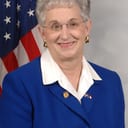
- Virginia Foxx [R-NC-05]
- Cosponsors
- 4 · 3 Democrats · 1 Republican
- Policy area
- Government Operations and Politics
- Committees
- Oversight and Government Reform Committee, Budget Committee · and 3 more
- Latest action
- Mar 4, 2014 · Received in the Senate and Read twice and referred to the Committee on Homeland Security and Governmental Affairs.
- IntroducedFeb 28, 2013
- Passed the HouseFeb 28, 2014
- Passed the SenateNot yet reached
- Sent to the PresidentNot yet reached
- Became lawNot yet reached
(This measure has not been amended since it was introduced. The summary of that version is repeated here, with an updated short title.)
Unfunded Mandates Information and Transparency Act of 2014 - States as the purposes of this Act to: (1) improve the quality of the deliberations of Congress with respect to proposed federal mandates by providing Congress and the public with more complete information about the effects of such mandates and by ensuring that Congress acts on such mandates only after focused deliberation on their effects; and (2) enhance the ability of Congress and the public to identify federal mandates that may impose undue harm on consumers, workers, employers, small businesses, and state, local, and tribal governments.
Amends the Congressional Budget Act of 1974 to: (1) require the Congressional Budget Office (CBO), at the request of the chairman or ranking member of a congressional committee, to conduct an assessment comparing the authorized level of funding in legislation to the prospective costs of carrying out any changes to a condition of federal assistance being imposed on state, local, or tribal governments participating in the federal assistance program; (2) modify the definition of "direct costs" to require CBO to consider, in accounting for the costs of federal mandates, forgone business profits, costs passed onto consumers and other entities, and behavioral changes; (3) eliminate the exemption of independent regulatory agencies (except the Board of Governors of the Federal Reserve System or the Federal Open Market Committee) from reporting requirements under the Unfunded Mandates Reform Act of 1995 (UMRA); and (4) make the raising of points of order in the consideration of congressional legislation applicable to legislation that would increase the direct cost of private sector mandates beyond limits established by UMRA.
Amends UMRA to: (1) transfer certain responsibilities under such Act from the Director of the Office of Management and Budget (OMB) to the Administrator of the Office of Information and Regulatory Affairs; (2) set forth detailed criteria to guide agencies in assessing the effects of federal regulatory actions on state, local, and tribal governments and the private sector; (3) revise requirements for agency statements accompanying significant regulatory actions to require an analysis of the annual effect of a proposed final rule on state, local, or tribal governments or the private sector and to require all statements and summaries under UMRA to be detailed; and (4) extend to the the private sector (including small business) the requirement for consultation with agencies in the development of regulatory proposals containing significant federal mandates and set forth detailed guidelines for such consultation.
Choose a roll call
Feb 28, 2014Each bar: ✓ Yea from the bottom, ✕ Nay aboveFeb 28, 2014
House Feb 28, 2014 · the primary vote
On Passage
Unfunded Mandates Information and Transparency Act of 2013
Passed
234 Yea 176 Nay 20 not voting
Party-line vote 17 of 410 voting members broke with their own party: 17 Democrats.
How the chamber split
DemocratsRepublicansFilled: YeaRing: NayGrey: not voting or present
Showing 430 of 430 members
- RRobert B. AderholtAL-04 · RepublicanRunning in 2026Yea
- RAmashMI · RepublicanYea
- RMark E. AmodeiNV-02 · RepublicanYea
- RBachmannMN · RepublicanYea
- RBachusAL · RepublicanNot voting
- DBarberAZ · DemocraticBroke with party (Democratic majority)Yea
- RBarlettaPA · RepublicanYea
- RAndy BarrKY-06 · RepublicanYea
- DBarrowGA · DemocraticBroke with party (Democratic majority)Yea
- RBartonTX · RepublicanYea
- DBassCA · DemocraticNay
- DJoyce BeattyOH-03 · DemocraticRunning in 2026Nay
- DBecerraCA · DemocraticNay
- RBenishekMI · RepublicanYea
- RBentivolioMI · RepublicanYea
- DAmi BeraCA-06 · DemocraticRunning in 2026Nay
- RGus M. BilirakisFL-12 · RepublicanRunning in 2026Yea
- DSanford D. Bishop, Jr.GA-02 · DemocraticRunning in 2026Nay
- DBishop (NY)NY · DemocraticNay
- RBishop (UT)UT · RepublicanNot voting
- RBlackTN · RepublicanNot voting
- RBlackburnTN · RepublicanYea
- DBlumenauerOR · DemocraticNay
- DSuzanne BonamiciOR-01 · DemocraticRunning in 2026Nay
- RBoustanyLA · RepublicanYea
- DBrady (PA)PA · DemocraticNay
- RBrady (TX)TX · RepublicanYea
- DBraley (IA)IA · DemocraticNay
- RBridenstineOK · RepublicanYea
- RBrooks (AL)AL · RepublicanYea
- RBrooks (IN)IN · RepublicanYea
- RBroun (GA)GA · RepublicanYea
- DBrown (FL)FL · DemocraticNay
- DJulia BrownleyCA-26 · DemocraticNay
- RVern BuchananFL-16 · RepublicanYea
- RBucshonIN · RepublicanYea
- RBurgessTX · RepublicanYea
- DBustosIL · DemocraticNay
- DButterfieldNC · DemocraticNay
- RByrneAL · RepublicanYea
- RKen CalvertCA-41 · RepublicanRunning in 2026Not voting
- RCampMI · RepublicanYea
- RCampbellCA · RepublicanYea
- RCantorVA · RepublicanYea
- RCapitoWV · RepublicanYea
- DCappsCA · DemocraticNay
- DCapuanoMA · DemocraticNay
- DCárdenasCA · DemocraticNay
- DCarneyDE · DemocraticNay
- DAndré CarsonIN-07 · DemocraticRunning in 2026Nay
- RJohn R. CarterTX-31 · RepublicanRunning in 2026Yea
- DCartwrightPA · DemocraticNay
- RCassidyLA · RepublicanYea
- DKathy CastorFL-14 · DemocraticRunning in 2026Nay
- DJoaquin CastroTX-20 · DemocraticRunning in 2026Nay
- RChabotOH · RepublicanYea
- RChaffetzUT · RepublicanYea
- DJudy ChuCA-28 · DemocraticRunning in 2026Nay
- DCicillineRI · DemocraticNay
- DKatherine M. ClarkMA-05 · DemocraticRunning in 2026Nay
- DYvette D. ClarkeNY-09 · DemocraticRunning in 2026Nay
- DClayMO · DemocraticNay
- DEmanuel CleaverMO-05 · DemocraticRunning in 2026Nay
- DJames E. ClyburnSC-06 · DemocraticRunning in 2026Nay
- RCobleNC · RepublicanYea
- RCoffmanCO · RepublicanYea
- DSteve CohenTN-09 · DemocraticRunning in 2026Nay
- RTom ColeOK-04 · RepublicanRunning in 2026Yea
- RCollins (GA)GA · RepublicanYea
- RCollins (NY)NY · RepublicanYea
- RConawayTX · RepublicanYea
- DConnollyVA · DemocraticNay
- DConyersMI · DemocraticNay
- RCookCA · RepublicanYea
- DCooperTN · DemocraticNay
- DJim CostaCA-21 · DemocraticBroke with party (Democratic majority)Running in 2026Yea
- RCottonAR · RepublicanYea
- DJoe CourtneyCT-02 · DemocraticRunning in 2026Nay
- RCramerND · RepublicanNot voting
- REric A. "Rick" CrawfordAR-01 · RepublicanRunning in 2026Yea
- RCrenshawFL · RepublicanYea
- DCrowleyNY · DemocraticNay
- DHenry CuellarTX-28 · DemocraticBroke with party (Democratic majority)Running in 2026Yea
- RCulbersonTX · RepublicanYea
- DCummingsMD · DemocraticNay
- RDainesMT · RepublicanYea
- DDanny K. DavisIL-07 · DemocraticNay
- DDavis (CA)CA · DemocraticNay
- RDavis, RodneyIL · RepublicanYea
- DDeFazioOR · DemocraticBroke with party (Democratic majority)Yea
- DDiana DeGetteCO-01 · DemocraticRunning in 2026Nay
- DDelaneyMD · DemocraticBroke with party (Democratic majority)Yea
- DRosa L. DeLauroCT-03 · DemocraticRunning in 2026Nay
- DSuzan K. DelBeneWA-01 · DemocraticRunning in 2026Nay
- RDenhamCA · RepublicanYea
- RDentPA · RepublicanYea
- RDeSantisFL · RepublicanYea
- RScott DesJarlaisTN-04 · RepublicanRunning in 2026Yea
- DDeutchFL · DemocraticNot voting
- RMario Diaz-BalartFL-26 · RepublicanRunning in 2026Yea
- DDingellMI · DemocraticNay
- DLloyd DoggettTX-37 · DemocraticNay
- DDoylePA · DemocraticNay
- DDuckworthIL · DemocraticNay
- RDuffyWI · RepublicanYea
- RDuncan (SC)SC · RepublicanYea
- RDuncan (TN)TN · RepublicanYea
- DEdwardsMD · DemocraticNay
- DEllisonMN · DemocraticNay
- REllmersNC · RepublicanYea
- DEngelNY · DemocraticNay
- DEnyartIL · DemocraticNay
- DEshooCA · DemocraticNay
- DEstyCT · DemocraticNay
- RFarentholdTX · RepublicanYea
- DFarrCA · DemocraticNay
- DFattahPA · DemocraticNay
- RFincherTN · RepublicanYea
- RFitzpatrickPA · RepublicanYea
- RCharles J. "Chuck" FleischmannTN-03 · RepublicanRunning in 2026Yea
- RFlemingLA · RepublicanYea
- RFloresTX · RepublicanYea
- RForbesVA · RepublicanYea
- RFortenberryNE · RepublicanNot voting
- DBill FosterIL-11 · DemocraticRunning in 2026Nay
- RVirginia FoxxNC-05 · RepublicanRunning in 2026Yea
- DLois FrankelFL-22 · DemocraticRunning in 2026Nay
- RFranks (AZ)AZ · RepublicanYea
- RFrelinghuysenNJ · RepublicanYea
- DFudgeOH · DemocraticNay
- DGabbardHI · DemocraticBroke with party (Democratic majority)Yea
- DGallegoTX · DemocraticBroke with party (Democratic majority)Yea
- DJohn GaramendiCA-08 · DemocraticRunning in 2026Nay
- DGarciaFL · DemocraticNay
- RGardnerCO · RepublicanYea
- RGarrettNJ · RepublicanYea
- RGerlachPA · RepublicanYea
- RGibbsOH · RepublicanYea
- RGibsonNY · RepublicanYea
- RGingrey (GA)GA · RepublicanYea
- RGohmertTX · RepublicanYea
- RGoodlatteVA · RepublicanYea
- RPaul A. GosarAZ-09 · RepublicanRunning in 2026Not voting
- RGowdySC · RepublicanYea
- RGrangerTX · RepublicanYea
- RSam GravesMO-06 · RepublicanYea
- RGraves (GA)GA · RepublicanYea
- DGraysonFL · DemocraticNay
- DAl GreenTX-09 · DemocraticRunning in 2026Nay
- DGreen, GeneTX · DemocraticNay
- RGriffin (AR)AR · RepublicanYea
- RH. Morgan GriffithVA-09 · RepublicanRunning in 2026Yea
- DGrijalvaAZ · DemocraticNay
- RGrimmNY · RepublicanYea
- RBrett GuthrieKY-02 · RepublicanRunning in 2026Yea
- DGutierrezIL · DemocraticNay
- DHahnCA · DemocraticNay
- RHallTX · RepublicanYea
- DHanabusaHI · DemocraticNay
- RHannaNY · RepublicanYea
- RHarperMS · RepublicanYea
- RAndy HarrisMD-01 · RepublicanRunning in 2026Yea
- RHartzlerMO · RepublicanYea
- DHastings (FL)FL · DemocraticNay
- RHastings (WA)WA · RepublicanYea
- RHeck (NV)NV · RepublicanYea
- DHeck (WA)WA · DemocraticNay
- RHensarlingTX · RepublicanYea
- RHerrera BeutlerWA · RepublicanYea
- DHigginsNY · DemocraticNay
- DJames A. HimesCT-04 · DemocraticRunning in 2026Nay
- DHinojosaTX · DemocraticNay
- RHoldingNC · RepublicanYea
- DHoltNJ · DemocraticNay
- DHondaCA · DemocraticNay
- DSteven HorsfordNV-04 · DemocraticRunning in 2026Nay
- DSteny H. HoyerMD-05 · DemocraticNay
- RRichard HudsonNC-09 · RepublicanRunning in 2026Yea
- RHuelskampKS · RepublicanYea
- DJared HuffmanCA-02 · DemocraticRunning in 2026Nay
- RBill HuizengaMI-04 · RepublicanRunning in 2026Yea
- RHultgrenIL · RepublicanYea
- RHunterCA · RepublicanYea
- RHurtVA · RepublicanYea
- DIsraelNY · DemocraticNay
- RDarrell IssaCA-48 · RepublicanYea
- DJackson LeeTX · DemocraticNay
- DHakeem S. JeffriesNY-08 · DemocraticRunning in 2026Nay
- RJenkinsKS · RepublicanYea
- DHenry C. "Hank" Johnson, Jr.GA-04 · DemocraticRunning in 2026Nay
- RJohnson (OH)OH · RepublicanYea
- DJohnson, E. B.TX · DemocraticNay
- RJohnson, SamTX · RepublicanYea
- RJonesNC · RepublicanYea
- RJim JordanOH-04 · RepublicanRunning in 2026Yea
- RDavid P. JoyceOH-14 · RepublicanRunning in 2026Yea
- DMarcy KapturOH-09 · DemocraticRunning in 2026Nay
- DWilliam R. KeatingMA-09 · DemocraticRunning in 2026Nay
- DRobin L. KellyIL-02 · DemocraticNay
- RMike KellyPA-16 · RepublicanRunning in 2026Yea
- DKennedyMA · DemocraticNay
- DKildeeMI · DemocraticNay
- DKilmerWA · DemocraticNay
- DKindWI · DemocraticNay
- RKing (IA)IA · RepublicanYea
- RKing (NY)NY · RepublicanYea
- RKingstonGA · RepublicanYea
- RKinzinger (IL)IL · RepublicanYea
- DKirkpatrickAZ · DemocraticNay
- RKlineMN · RepublicanYea
- DKusterNH · DemocraticNay
- RLabradorID · RepublicanYea
- RLaMalfaCA · RepublicanYea
- RLambornCO · RepublicanYea
- RLanceNJ · RepublicanYea
- DLangevinRI · DemocraticNay
- RLankfordOK · RepublicanYea
- DRick LarsenWA-02 · DemocraticRunning in 2026Nay
- DJohn B. LarsonCT-01 · DemocraticRunning in 2026Nay
- RLathamIA · RepublicanYea
- RRobert E. LattaOH-05 · RepublicanRunning in 2026Yea
- DLee (CA)CA · DemocraticNay
- DLevinMI · DemocraticNay
- DLewisGA · DemocraticNay
- DLipinskiIL · DemocraticNay
- RLoBiondoNJ · RepublicanYea
- DLoebsackIA · DemocraticNay
- DZoe LofgrenCA-18 · DemocraticRunning in 2026Nay
- RLongMO · RepublicanYea
- DLowenthalCA · DemocraticNay
- DLoweyNY · DemocraticNay
- RFrank D. LucasOK-03 · RepublicanRunning in 2026Yea
- RLuetkemeyerMO · RepublicanYea
- DLujan Grisham (NM)NM · DemocraticNay
- DLuján, Ben Ray (NM)NM · DemocraticNay
- RLummisWY · RepublicanYea
- DStephen F. LynchMA-08 · DemocraticRunning in 2026Nay
- DMaffeiNY · DemocraticNay
- DMaloney, CarolynNY · DemocraticNay
- DMaloney, SeanNY · DemocraticNay
- RMarchantTX · RepublicanYea
- RMarinoPA · RepublicanYea
- RThomas MassieKY-04 · RepublicanRunning in 2026Yea
- DMathesonUT · DemocraticBroke with party (Democratic majority)Yea
- DDoris O. MatsuiCA-07 · DemocraticRunning in 2026Nay
- RMcAllisterLA · RepublicanYea
- RMcCarthy (CA)CA · RepublicanYea
- DMcCarthy (NY)NY · DemocraticNot voting
- RMichael T. McCaulTX-10 · RepublicanYea
- RTom McClintockCA-05 · RepublicanRunning in 2026Yea
- DBetty McCollumMN-04 · DemocraticRunning in 2026Nay
- DMcDermottWA · DemocraticNay
- DJames P. McGovernMA-02 · DemocraticRunning in 2026Nay
- RMcHenryNC · RepublicanYea
- DMcIntyreNC · DemocraticBroke with party (Democratic majority)Yea
- RMcKeonCA · RepublicanYea
- RMcKinleyWV · RepublicanYea
- RMcMorris RodgersWA · RepublicanYea
- DMcNerneyCA · DemocraticNay
- RMeadowsNC · RepublicanYea
- RMeehanPA · RepublicanYea
- DGregory W. MeeksNY-05 · DemocraticRunning in 2026Nay
- DGrace MengNY-06 · DemocraticRunning in 2026Nay
- RMesserIN · RepublicanYea
- RMicaFL · RepublicanYea
- DMichaudME · DemocraticNay
- RMiller (FL)FL · RepublicanYea
- RMiller (MI)MI · RepublicanYea
- RMiller, GaryCA · RepublicanYea
- DMiller, GeorgeCA · DemocraticNay
- DGwen MooreWI-04 · DemocraticRunning in 2026Nay
- DMoranVA · DemocraticNay
- RMullinOK · RepublicanYea
- RMulvaneySC · RepublicanYea
- DMurphy (FL)FL · DemocraticBroke with party (Democratic majority)Yea
- RMurphy (PA)PA · RepublicanYea
- DJerrold NadlerNY-12 · DemocraticNay
- DNapolitanoCA · DemocraticNay
- DRichard E. NealMA-01 · DemocraticRunning in 2026Nay
- DNegrete McLeodCA · DemocraticNay
- RNeugebauerTX · RepublicanYea
- RNoemSD · RepublicanYea
- DNolanMN · DemocraticNay
- RNugentFL · RepublicanYea
- RNunesCA · RepublicanYea
- RNunneleeMS · RepublicanYea
- DO'RourkeTX · DemocraticNay
- ROlsonTX · RepublicanYea
- DOwensNY · DemocraticBroke with party (Democratic majority)Yea
- RPalazzoMS · RepublicanYea
- DFrank Pallone, Jr.NJ-06 · DemocraticRunning in 2026Nay
- DPascrellNJ · DemocraticNay
- DPastor (AZ)AZ · DemocraticNot voting
- RPaulsenMN · RepublicanYea
- DPayneNJ · DemocraticNay
- RPearceNM · RepublicanYea
- DNancy PelosiCA-11 · DemocraticNay
- DPerlmutterCO · DemocraticNay
- RScott PerryPA-10 · RepublicanRunning in 2026Yea
- DScott H. PetersCA-50 · DemocraticBroke with party (Democratic majority)Running in 2026Yea
- DPeters (MI)MI · DemocraticNay
- DPetersonMN · DemocraticBroke with party (Democratic majority)Yea
- RPetriWI · RepublicanYea
- DChellie PingreeME-01 · DemocraticRunning in 2026Nay
- RPittengerNC · RepublicanYea
- RPittsPA · RepublicanYea
- DMark PocanWI-02 · DemocraticRunning in 2026Nay
- RPoe (TX)TX · RepublicanYea
- DPolisCO · DemocraticNay
- RPompeoKS · RepublicanYea
- RPoseyFL · RepublicanYea
- RPrice (GA)GA · RepublicanYea
- DPrice (NC)NC · DemocraticNay
- DMike QuigleyIL-05 · DemocraticRunning in 2026Nay
- DRahallWV · DemocraticBroke with party (Democratic majority)Yea
- DRangelNY · DemocraticNay
- RReedNY · RepublicanYea
- RReichertWA · RepublicanYea
- RRenacciOH · RepublicanYea
- RRibbleWI · RepublicanYea
- RRice (SC)SC · RepublicanYea
- DRichmondLA · DemocraticNay
- RRigellVA · RepublicanNot voting
- RRobyAL · RepublicanYea
- RRoe (TN)TN · RepublicanYea
- RMike RogersAL-03 · RepublicanRunning in 2026Yea
- RHarold RogersKY-05 · RepublicanRunning in 2026Yea
- RRogers (MI)MI · RepublicanYea
- RRohrabacherCA · RepublicanYea
- RRokitaIN · RepublicanYea
- RRooneyFL · RepublicanYea
- RRos-LehtinenFL · RepublicanYea
- RRoskamIL · RepublicanYea
- RRossFL · RepublicanYea
- RRothfusPA · RepublicanYea
- DRoybal-AllardCA · DemocraticNay
- RRoyceCA · RepublicanYea
- DRaul RuizCA-25 · DemocraticRunning in 2026Nay
- RRunyanNJ · RepublicanNot voting
- DRuppersbergerMD · DemocraticNay
- DRushIL · DemocraticNot voting
- DRyan (OH)OH · DemocraticNay
- RRyan (WI)WI · RepublicanYea
- RSalmonAZ · RepublicanYea
- DLinda T. SánchezCA-38 · DemocraticRunning in 2026Nay
- DSanchez, LorettaCA · DemocraticBroke with party (Democratic majority)Yea
- RSanfordSC · RepublicanYea
- DSarbanesMD · DemocraticNay
- RSteve ScaliseLA-01 · RepublicanRunning in 2026Yea
- DJanice D. SchakowskyIL-09 · DemocraticNay
- DSchiffCA · DemocraticNay
- DBradley Scott SchneiderIL-10 · DemocraticRunning in 2026Nay
- RSchockIL · RepublicanYea
- DSchraderOR · DemocraticNay
- DSchwartzPA · DemocraticNot voting
- RDavid SchweikertAZ-01 · RepublicanYea
- RAustin ScottGA-08 · RepublicanRunning in 2026Not voting
- DRobert C. "Bobby" ScottVA-03 · DemocraticRunning in 2026Nay
- DScott, DavidGA · DemocraticNay
- RSensenbrennerWI · RepublicanYea
- DSerranoNY · DemocraticNay
- RPete SessionsTX-17 · RepublicanRunning in 2026Yea
- DTerri A. SewellAL-07 · DemocraticRunning in 2026Nay
- DShea-PorterNH · DemocraticNay
- DBrad ShermanCA-32 · DemocraticRunning in 2026Nay
- RShimkusIL · RepublicanYea
- RShusterPA · RepublicanYea
- RMichael K. SimpsonID-02 · RepublicanRunning in 2026Yea
- DSinemaAZ · DemocraticBroke with party (Democratic majority)Yea
- DSiresNJ · DemocraticNay
- DSlaughterNY · DemocraticNay
- RJason SmithMO-08 · RepublicanRunning in 2026Yea
- RAdrian SmithNE-03 · RepublicanRunning in 2026Yea
- RChristopher H. SmithNJ-04 · RepublicanRunning in 2026Yea
- DAdam SmithWA-09 · DemocraticRunning in 2026Not voting
- RSmith (TX)TX · RepublicanYea
- RSoutherlandFL · RepublicanYea
- DSpeierCA · DemocraticNay
- RStewartUT · RepublicanYea
- RStiversOH · RepublicanYea
- RStockmanTX · RepublicanNot voting
- RMarlin A. StutzmanIN-03 · RepublicanRunning in 2026Yea
- DSwalwell (CA)CA · DemocraticNay
- DMark TakanoCA-39 · DemocraticRunning in 2026Nay
- RTerryNE · RepublicanYea
- DMike ThompsonCA-04 · DemocraticRunning in 2026Nay
- DBennie G. ThompsonMS-02 · DemocraticRunning in 2026Nay
- RGlenn ThompsonPA-15 · RepublicanRunning in 2026Yea
- RThornberryTX · RepublicanYea
- RTiberiOH · RepublicanYea
- DTierneyMA · DemocraticNay
- RTiptonCO · RepublicanYea
- DDina TitusNV-01 · DemocraticRunning in 2026Nay
- DPaul TonkoNY-20 · DemocraticRunning in 2026Nay
- DTsongasMA · DemocraticNay
- RMichael R. TurnerOH-10 · RepublicanRunning in 2026Yea
- RUptonMI · RepublicanNot voting
- RDavid G. ValadaoCA-22 · RepublicanRunning in 2026Yea
- DVan HollenMD · DemocraticNay
- DJuan VargasCA-52 · DemocraticRunning in 2026Nay
- DMarc A. VeaseyTX-33 · DemocraticNay
- DVelaTX · DemocraticNay
- DNydia M. VelázquezNY-07 · DemocraticNay
- DViscloskyIN · DemocraticNay
- RAnn WagnerMO-02 · RepublicanRunning in 2026Yea
- RTim WalbergMI-05 · RepublicanRunning in 2026Yea
- RWaldenOR · RepublicanNot voting
- RWalorskiIN · RepublicanYea
- DWalzMN · DemocraticNay
- DDebbie Wasserman SchultzFL-25 · DemocraticRunning in 2026Nay
- DMaxine WatersCA-43 · DemocraticRunning in 2026Nay
- DWaxmanCA · DemocraticNay
- RRandy K. Weber, Sr.TX-14 · RepublicanRunning in 2026Yea
- RDaniel WebsterFL-11 · RepublicanRunning in 2026Yea
- DWelchVT · DemocraticNay
- RWenstrupOH · RepublicanYea
- RWestmorelandGA · RepublicanNot voting
- RWhitfieldKY · RepublicanYea
- RRoger WilliamsTX-25 · RepublicanRunning in 2026Yea
- DFrederica S. WilsonFL-24 · DemocraticNay
- RJoe WilsonSC-02 · RepublicanRunning in 2026Yea
- RRobert J. WittmanVA-01 · RepublicanRunning in 2026Yea
- RWolfVA · RepublicanYea
- RSteve WomackAR-03 · RepublicanRunning in 2026Yea
- RWoodallGA · RepublicanYea
- DYarmuthKY · DemocraticNay
- RYoderKS · RepublicanYea
- RYohoFL · RepublicanYea
- RYoung (AK)AK · RepublicanYea
- RYoung (IN)IN · RepublicanYea
430 members on this roll call, from the official House record. Party majorities need at least five voting members, so an independent never counts as breaking with a party.
Signing on is not a vote: a member can cosponsor H.R. 899 and vote against it. 4 signed when it was filed.
RJames Lankford [R-OK-05]
DLORETTA SANCHEZ [D-CA-46]
DCOLLIN PETERSON [D-MN-07]
DMIKE MCINTYRE [D-NC-07]