Loading the public record
Where They Stand is a nonpartisan guide to everyone running for Congress: their money, their own words and how incumbents voted. Find your ballot →
All recent votes112th CongressHouse
H.Res. 668To refer H.R. 5862, a bill making congressional reference to the United States Court of Federal Claims pursuant to sections 1492 and 2509 of title 28, United States Code, the Indian trust-related claims of the Quapaw Tribe of Oklahoma (O-Gah-Pah) as well as its individual members.
- Sponsor
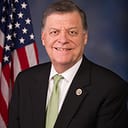
- Tom Cole [R-OK-04]
- Cosponsors
- 1 · 1 Democrat
- Policy area
- Native Americans
- Committee
- Judiciary Committee
- Latest action
- Dec 19, 2012 · On motion to suspend the rules and agree to the resolution, as amended Agreed to by the Yeas and Nays: (2/3 required): 398 - 5 (Roll no. 635). (text: CR H7280-7281)
- IntroducedMay 30, 2012
- Passed the HouseDec 19, 2012
Refers H.R. 5862, relating to members of the Quapaw Tribe of Oklahoma (O-Gah-Pah), to the chief judge of the U.S. Court of Federal Claims for a determination as to whether the Tribe and its members have Indian trust-related legal or equitable claims against the United States other than those currently pending in the Court.
Requires the chief judge to report back to the House of Representatives regarding the nature, extent, and character of those claims and the amount, if any, legally or equitably due from the United States to the claimants.
Written by the nonpartisan Congressional Research Service, describing H.Res. 668 as passed House amended on Dec 19, 2012. It is not the text of the measure; a later amendment may have changed what it does.
House Dec 19, 2012
On Motion to Suspend the Rules and Agree, as Amended
To refer H.R. 5862, a bill making congressional reference to the United States Court of Federal Claims pursuant to sections 1492 and 2509 of title 28, United States Code, the Indian trust-related claims of the Quapaw Tribe of Oklahoma (O-Gah-Pah) as well as its individual members
Passed · Two-thirds required
398 Yea 5 Nay 28 not voting
Crossed both parties 5 of 403 voting members broke with their own party: 1 Democrat, 4 Republicans.
How the chamber split
DemocratsRepublicansFilled: YeaRing: NayGrey: not voting or present
Showing 431 of 431 members
- DAckermanNY · DemocraticYea
- RAdamsFL · RepublicanYea
- RRobert B. AderholtAL-04 · RepublicanRunning in 2026Yea
- RAkinMO · RepublicanNot voting
- RAlexanderLA · RepublicanYea
- DAltmirePA · DemocraticYea
- RAmashMI · RepublicanBroke with party (Republican majority)Nay
- RMark E. AmodeiNV-02 · RepublicanYea
- DAndrewsNJ · DemocraticYea
- RAustriaOH · RepublicanYea
- DBacaCA · DemocraticNot voting
- RBachmannMN · RepublicanYea
- RBachusAL · RepublicanYea
- DBaldwinWI · DemocraticYea
- DBarberAZ · DemocraticYea
- RBarlettaPA · RepublicanYea
- DBarrowGA · DemocraticYea
- RBartlettMD · RepublicanNot voting
- RBarton (TX)TX · RepublicanYea
- DBass (CA)CA · DemocraticYea
- RBass (NH)NH · RepublicanYea
- DBecerraCA · DemocraticYea
- RBenishekMI · RepublicanYea
- RBergND · RepublicanYea
- DBerkleyNV · DemocraticYea
- DBermanCA · DemocraticNot voting
- RBiggertIL · RepublicanYea
- RBilbrayCA · RepublicanNot voting
- RGus M. BilirakisFL-12 · RepublicanRunning in 2026Yea
- DSanford D. Bishop, Jr.GA-02 · DemocraticRunning in 2026Yea
- DBishop (NY)NY · DemocraticYea
- RBishop (UT)UT · RepublicanYea
- RBlackTN · RepublicanYea
- RBlackburnTN · RepublicanYea
- DBlumenauerOR · DemocraticYea
- DSuzanne BonamiciOR-01 · DemocraticRunning in 2026Yea
- RBonnerAL · RepublicanYea
- RBono MackCA · RepublicanNot voting
- DBorenOK · DemocraticYea
- DBoswellIA · DemocraticYea
- RBoustanyLA · RepublicanYea
- DBrady (PA)PA · DemocraticYea
- RBrady (TX)TX · RepublicanYea
- DBraley (IA)IA · DemocraticYea
- RBrooksAL · RepublicanYea
- RBroun (GA)GA · RepublicanYea
- DBrown (FL)FL · DemocraticYea
- RVern BuchananFL-16 · RepublicanYea
- RBucshonIN · RepublicanYea
- RBuerkleNY · RepublicanYea
- RBurgessTX · RepublicanYea
- RBurton (IN)IN · RepublicanYea
- DButterfieldNC · DemocraticYea
- RKen CalvertCA-41 · RepublicanRunning in 2026Yea
- RCampMI · RepublicanYea
- RCampbellCA · RepublicanBroke with party (Republican majority)Nay
- RCansecoTX · RepublicanYea
- RCantorVA · RepublicanYea
- RCapitoWV · RepublicanYea
- DCappsCA · DemocraticYea
- DCapuanoMA · DemocraticYea
- DCarnahanMO · DemocraticYea
- DCarneyDE · DemocraticYea
- DAndré CarsonIN-07 · DemocraticRunning in 2026Yea
- RJohn R. CarterTX-31 · RepublicanRunning in 2026Yea
- RCassidyLA · RepublicanYea
- DKathy CastorFL-14 · DemocraticRunning in 2026Yea
- RChabotOH · RepublicanYea
- RChaffetzUT · RepublicanYea
- DChandlerKY · DemocraticYea
- DJudy ChuCA-28 · DemocraticRunning in 2026Yea
- DCicillineRI · DemocraticYea
- DYvette D. ClarkeNY-09 · DemocraticRunning in 2026Yea
- DClarke (MI)MI · DemocraticYea
- DClayMO · DemocraticYea
- DEmanuel CleaverMO-05 · DemocraticRunning in 2026Yea
- DJames E. ClyburnSC-06 · DemocraticRunning in 2026Yea
- RCobleNC · RepublicanYea
- RCoffman (CO)CO · RepublicanYea
- DSteve CohenTN-09 · DemocraticRunning in 2026Yea
- RTom ColeOK-04 · RepublicanRunning in 2026Yea
- RConawayTX · RepublicanYea
- DConnolly (VA)VA · DemocraticYea
- DConyersMI · DemocraticYea
- DCooperTN · DemocraticYea
- DJim CostaCA-21 · DemocraticRunning in 2026Yea
- DCostelloIL · DemocraticNot voting
- DJoe CourtneyCT-02 · DemocraticRunning in 2026Yea
- RCravaackMN · RepublicanYea
- REric A. "Rick" CrawfordAR-01 · RepublicanRunning in 2026Yea
- RCrenshawFL · RepublicanYea
- DCritzPA · DemocraticYea
- DCrowleyNY · DemocraticYea
- DHenry CuellarTX-28 · DemocraticRunning in 2026Yea
- RCulbersonTX · RepublicanYea
- DCummingsMD · DemocraticYea
- DCurson (MI)MI · DemocraticYea
- DDanny K. DavisIL-07 · DemocraticYea
- DDavis (CA)CA · DemocraticYea
- DDeFazioOR · DemocraticYea
- DDiana DeGetteCO-01 · DemocraticRunning in 2026Not voting
- DRosa L. DeLauroCT-03 · DemocraticRunning in 2026Yea
- DSuzan K. DelBeneWA-01 · DemocraticRunning in 2026Yea
- RDenhamCA · RepublicanYea
- RDentPA · RepublicanYea
- RScott DesJarlaisTN-04 · RepublicanRunning in 2026Yea
- DDeutchFL · DemocraticYea
- RMario Diaz-BalartFL-26 · RepublicanRunning in 2026Yea
- DDicksWA · DemocraticYea
- DDingellMI · DemocraticYea
- DLloyd DoggettTX-37 · DemocraticYea
- RDoldIL · RepublicanYea
- DDonnelly (IN)IN · DemocraticYea
- DDoylePA · DemocraticYea
- RDreierCA · RepublicanYea
- RDuffyWI · RepublicanYea
- RDuncan (SC)SC · RepublicanYea
- RDuncan (TN)TN · RepublicanYea
- DEdwardsMD · DemocraticYea
- DEllisonMN · DemocraticYea
- REllmersNC · RepublicanYea
- REmersonMO · RepublicanYea
- DEngelNY · DemocraticYea
- DEshooCA · DemocraticYea
- RFarentholdTX · RepublicanYea
- DFarrCA · DemocraticYea
- DFattahPA · DemocraticYea
- RFincherTN · RepublicanYea
- RFitzpatrickPA · RepublicanYea
- RFlakeAZ · RepublicanYea
- RCharles J. "Chuck" FleischmannTN-03 · RepublicanRunning in 2026Yea
- RFlemingLA · RepublicanNot voting
- RFloresTX · RepublicanYea
- RForbesVA · RepublicanYea
- RFortenberryNE · RepublicanYea
- RVirginia FoxxNC-05 · RepublicanRunning in 2026Yea
- DFrank (MA)MA · DemocraticYea
- RFranks (AZ)AZ · RepublicanYea
- RFrelinghuysenNJ · RepublicanYea
- DFudgeOH · DemocraticYea
- RGalleglyCA · RepublicanYea
- DJohn GaramendiCA-08 · DemocraticRunning in 2026Not voting
- RGardnerCO · RepublicanYea
- RGarrettNJ · RepublicanYea
- RGerlachPA · RepublicanYea
- RGibbsOH · RepublicanYea
- RGibsonNY · RepublicanYea
- RGingrey (GA)GA · RepublicanYea
- RGohmertTX · RepublicanYea
- DGonzalezTX · DemocraticNot voting
- RGoodlatteVA · RepublicanYea
- RPaul A. GosarAZ-09 · RepublicanRunning in 2026Yea
- RGowdySC · RepublicanYea
- RGrangerTX · RepublicanYea
- RSam GravesMO-06 · RepublicanYea
- RGraves (GA)GA · RepublicanYea
- DAl GreenTX-09 · DemocraticRunning in 2026Not voting
- DGreen, GeneTX · DemocraticYea
- RGriffin (AR)AR · RepublicanYea
- RH. Morgan GriffithVA-09 · RepublicanRunning in 2026Yea
- DGrijalvaAZ · DemocraticYea
- RGrimmNY · RepublicanYea
- RGuintaNH · RepublicanYea
- RBrett GuthrieKY-02 · RepublicanRunning in 2026Yea
- DGutierrezIL · DemocraticNot voting
- DHahnCA · DemocraticYea
- RHallTX · RepublicanYea
- DHanabusaHI · DemocraticYea
- RHannaNY · RepublicanYea
- RHarperMS · RepublicanYea
- RAndy HarrisMD-01 · RepublicanRunning in 2026Yea
- RHartzlerMO · RepublicanYea
- DHastings (FL)FL · DemocraticYea
- RHastings (WA)WA · RepublicanBroke with party (Republican majority)Nay
- RHayworthNY · RepublicanYea
- RHeckNV · RepublicanYea
- DHeinrichNM · DemocraticYea
- RHensarlingTX · RepublicanYea
- RHergerCA · RepublicanYea
- RHerrera BeutlerWA · RepublicanYea
- DHigginsNY · DemocraticYea
- DJames A. HimesCT-04 · DemocraticRunning in 2026Yea
- DHincheyNY · DemocraticYea
- DHinojosaTX · DemocraticYea
- DHironoHI · DemocraticYea
- DHochulNY · DemocraticYea
- DHoldenPA · DemocraticYea
- DHoltNJ · DemocraticYea
- DHondaCA · DemocraticYea
- DSteny H. HoyerMD-05 · DemocraticYea
- RHuelskampKS · RepublicanYea
- RBill HuizengaMI-04 · RepublicanRunning in 2026Yea
- RHultgrenIL · RepublicanYea
- RHunterCA · RepublicanYea
- RHurtVA · RepublicanYea
- DIsraelNY · DemocraticYea
- RDarrell IssaCA-48 · RepublicanYea
- DJackson Lee (TX)TX · DemocraticYea
- RJenkinsKS · RepublicanYea
- DHenry C. "Hank" Johnson, Jr.GA-04 · DemocraticRunning in 2026Yea
- RJohnson (IL)IL · RepublicanNot voting
- RJohnson (OH)OH · RepublicanYea
- DJohnson, E. B.TX · DemocraticYea
- RJohnson, SamTX · RepublicanYea
- RJonesNC · RepublicanYea
- RJim JordanOH-04 · RepublicanRunning in 2026Yea
- DMarcy KapturOH-09 · DemocraticRunning in 2026Yea
- DWilliam R. KeatingMA-09 · DemocraticRunning in 2026Yea
- RMike KellyPA-16 · RepublicanRunning in 2026Yea
- DKildeeMI · DemocraticYea
- DKindWI · DemocraticYea
- RKing (IA)IA · RepublicanYea
- RKing (NY)NY · RepublicanNot voting
- RKingstonGA · RepublicanYea
- RKinzinger (IL)IL · RepublicanYea
- DKissellNC · DemocraticYea
- RKlineMN · RepublicanYea
- DKucinichOH · DemocraticYea
- RLabradorID · RepublicanYea
- RLambornCO · RepublicanYea
- RLanceNJ · RepublicanYea
- RLandryLA · RepublicanNot voting
- DLangevinRI · DemocraticYea
- RLankfordOK · RepublicanYea
- DRick LarsenWA-02 · DemocraticRunning in 2026Yea
- DJohn B. LarsonCT-01 · DemocraticRunning in 2026Yea
- RLathamIA · RepublicanYea
- RLaTouretteOH · RepublicanYea
- RRobert E. LattaOH-05 · RepublicanRunning in 2026Yea
- DLee (CA)CA · DemocraticYea
- DLevinMI · DemocraticYea
- RLewis (CA)CA · RepublicanYea
- DLewis (GA)GA · DemocraticYea
- DLipinskiIL · DemocraticYea
- RLoBiondoNJ · RepublicanYea
- DLoebsackIA · DemocraticYea
- DZoe LofgrenCA-18 · DemocraticRunning in 2026Yea
- RLongMO · RepublicanYea
- DLoweyNY · DemocraticYea
- RFrank D. LucasOK-03 · RepublicanRunning in 2026Yea
- RLuetkemeyerMO · RepublicanYea
- DLujánNM · DemocraticNot voting
- RLummisWY · RepublicanYea
- RLungren, Daniel E.CA · RepublicanYea
- DStephen F. LynchMA-08 · DemocraticRunning in 2026Yea
- RMackFL · RepublicanNot voting
- DMaloneyNY · DemocraticYea
- RManzulloIL · RepublicanYea
- RMarchantTX · RepublicanYea
- RMarinoPA · RepublicanYea
- DMarkeyMA · DemocraticBroke with party (Democratic majority)Nay
- RThomas MassieKY-04 · RepublicanRunning in 2026Yea
- DMathesonUT · DemocraticYea
- DDoris O. MatsuiCA-07 · DemocraticRunning in 2026Yea
- RMcCarthy (CA)CA · RepublicanYea
- DMcCarthy (NY)NY · DemocraticYea
- RMichael T. McCaulTX-10 · RepublicanYea
- RTom McClintockCA-05 · RepublicanBroke with party (Republican majority)Running in 2026Nay
- DBetty McCollumMN-04 · DemocraticRunning in 2026Yea
- DMcDermottWA · DemocraticYea
- DJames P. McGovernMA-02 · DemocraticRunning in 2026Yea
- RMcHenryNC · RepublicanYea
- DMcIntyreNC · DemocraticYea
- RMcKeonCA · RepublicanYea
- RMcKinleyWV · RepublicanNot voting
- RMcMorris RodgersWA · RepublicanYea
- DMcNerneyCA · DemocraticYea
- RMeehanPA · RepublicanYea
- DGregory W. MeeksNY-05 · DemocraticRunning in 2026Yea
- RMicaFL · RepublicanYea
- DMichaudME · DemocraticYea
- RMiller (FL)FL · RepublicanYea
- RMiller (MI)MI · RepublicanYea
- DMiller (NC)NC · DemocraticYea
- RMiller, GaryCA · RepublicanYea
- DMiller, GeorgeCA · DemocraticYea
- DGwen MooreWI-04 · DemocraticRunning in 2026Yea
- DMoranVA · DemocraticYea
- RMulvaneySC · RepublicanYea
- DMurphy (CT)CT · DemocraticNot voting
- RMurphy (PA)PA · RepublicanYea
- RMyrickNC · RepublicanYea
- DJerrold NadlerNY-12 · DemocraticYea
- DNapolitanoCA · DemocraticYea
- DRichard E. NealMA-01 · DemocraticRunning in 2026Yea
- RNeugebauerTX · RepublicanYea
- RNoemSD · RepublicanYea
- RNugentFL · RepublicanYea
- RNunesCA · RepublicanYea
- RNunneleeMS · RepublicanNot voting
- ROlsonTX · RepublicanYea
- DOlverMA · DemocraticYea
- DOwensNY · DemocraticYea
- RPalazzoMS · RepublicanYea
- DFrank Pallone, Jr.NJ-06 · DemocraticRunning in 2026Yea
- DPascrellNJ · DemocraticYea
- DPastor (AZ)AZ · DemocraticYea
- RPaulTX · RepublicanYea
- RPaulsenMN · RepublicanYea
- DPayneNJ · DemocraticYea
- RPearceNM · RepublicanYea
- DNancy PelosiCA-11 · DemocraticYea
- RPenceIN · RepublicanNot voting
- DPerlmutterCO · DemocraticYea
- DPetersMI · DemocraticYea
- DPetersonMN · DemocraticYea
- RPetriWI · RepublicanYea
- DChellie PingreeME-01 · DemocraticRunning in 2026Yea
- RPittsPA · RepublicanYea
- RPlattsPA · RepublicanNot voting
- RPoe (TX)TX · RepublicanYea
- DPolisCO · DemocraticYea
- RPompeoKS · RepublicanYea
- RPoseyFL · RepublicanYea
- RPrice (GA)GA · RepublicanYea
- DPrice (NC)NC · DemocraticYea
- RQuayleAZ · RepublicanYea
- DMike QuigleyIL-05 · DemocraticRunning in 2026Yea
- DRahallWV · DemocraticYea
- DRangelNY · DemocraticYea
- RReedNY · RepublicanYea
- RRehbergMT · RepublicanYea
- RReichertWA · RepublicanYea
- RRenacciOH · RepublicanYea
- DReyesTX · DemocraticNot voting
- RRibbleWI · RepublicanYea
- DRichardsonCA · DemocraticYea
- DRichmondLA · DemocraticYea
- RRigellVA · RepublicanYea
- RRiveraFL · RepublicanYea
- RRobyAL · RepublicanYea
- RRoe (TN)TN · RepublicanYea
- RMike RogersAL-03 · RepublicanRunning in 2026Yea
- RHarold RogersKY-05 · RepublicanRunning in 2026Yea
- RRogers (MI)MI · RepublicanYea
- RRohrabacherCA · RepublicanYea
- RRokitaIN · RepublicanYea
- RRooneyFL · RepublicanYea
- RRos-LehtinenFL · RepublicanYea
- RRoskamIL · RepublicanYea
- DRoss (AR)AR · DemocraticYea
- RRoss (FL)FL · RepublicanYea
- DRothman (NJ)NJ · DemocraticYea
- DRoybal-AllardCA · DemocraticYea
- RRoyceCA · RepublicanYea
- RRunyanNJ · RepublicanYea
- DRuppersbergerMD · DemocraticYea
- DRushIL · DemocraticYea
- DRyan (OH)OH · DemocraticYea
- RRyan (WI)WI · RepublicanYea
- DLinda T. SánchezCA-38 · DemocraticRunning in 2026Yea
- DSanchez, LorettaCA · DemocraticYea
- DSarbanesMD · DemocraticYea
- RSteve ScaliseLA-01 · RepublicanRunning in 2026Yea
- DJanice D. SchakowskyIL-09 · DemocraticYea
- DSchiffCA · DemocraticYea
- RSchillingIL · RepublicanYea
- RSchmidtOH · RepublicanYea
- RSchockIL · RepublicanYea
- DSchraderOR · DemocraticYea
- DSchwartzPA · DemocraticYea
- RDavid SchweikertAZ-01 · RepublicanYea
- RAustin ScottGA-08 · RepublicanRunning in 2026Yea
- DRobert C. "Bobby" ScottVA-03 · DemocraticRunning in 2026Yea
- RScott (SC)SC · RepublicanYea
- DScott, DavidGA · DemocraticYea
- RSensenbrennerWI · RepublicanYea
- DSerranoNY · DemocraticYea
- RPete SessionsTX-17 · RepublicanRunning in 2026Yea
- DTerri A. SewellAL-07 · DemocraticRunning in 2026Yea
- DBrad ShermanCA-32 · DemocraticRunning in 2026Yea
- RShimkusIL · RepublicanYea
- DShulerNC · DemocraticNot voting
- RShusterPA · RepublicanYea
- RMichael K. SimpsonID-02 · RepublicanRunning in 2026Yea
- DSiresNJ · DemocraticYea
- DSlaughterNY · DemocraticYea
- RAdrian SmithNE-03 · RepublicanRunning in 2026Yea
- RChristopher H. SmithNJ-04 · RepublicanRunning in 2026Yea
- DAdam SmithWA-09 · DemocraticRunning in 2026Yea
- RSmith (TX)TX · RepublicanYea
- RSoutherlandFL · RepublicanYea
- DSpeierCA · DemocraticYea
- DStarkCA · DemocraticNot voting
- RStearnsFL · RepublicanYea
- RStiversOH · RepublicanYea
- RMarlin A. StutzmanIN-03 · RepublicanRunning in 2026Yea
- RSullivanOK · RepublicanNot voting
- DSuttonOH · DemocraticYea
- RTerryNE · RepublicanYea
- DMike ThompsonCA-04 · DemocraticRunning in 2026Yea
- DBennie G. ThompsonMS-02 · DemocraticRunning in 2026Yea
- RGlenn ThompsonPA-15 · RepublicanRunning in 2026Yea
- RThornberryTX · RepublicanYea
- RTiberiOH · RepublicanYea
- DTierneyMA · DemocraticYea
- RTiptonCO · RepublicanYea
- DPaul TonkoNY-20 · DemocraticRunning in 2026Yea
- DTownsNY · DemocraticNot voting
- DTsongasMA · DemocraticYea
- RMichael R. TurnerOH-10 · RepublicanRunning in 2026Yea
- RTurner (NY)NY · RepublicanYea
- RUptonMI · RepublicanYea
- DVan HollenMD · DemocraticYea
- DNydia M. VelázquezNY-07 · DemocraticYea
- DViscloskyIN · DemocraticYea
- RTim WalbergMI-05 · RepublicanRunning in 2026Yea
- RWaldenOR · RepublicanYea
- RWalsh (IL)IL · RepublicanYea
- DWalz (MN)MN · DemocraticYea
- DDebbie Wasserman SchultzFL-25 · DemocraticRunning in 2026Yea
- DMaxine WatersCA-43 · DemocraticRunning in 2026Yea
- DWattNC · DemocraticYea
- DWaxmanCA · DemocraticYea
- RDaniel WebsterFL-11 · RepublicanRunning in 2026Yea
- DWelchVT · DemocraticYea
- RWestFL · RepublicanYea
- RWestmorelandGA · RepublicanYea
- RWhitfieldKY · RepublicanYea
- DFrederica S. WilsonFL-24 · DemocraticYea
- RJoe WilsonSC-02 · RepublicanRunning in 2026Yea
- RRobert J. WittmanVA-01 · RepublicanRunning in 2026Yea
- RWolfVA · RepublicanYea
- RSteve WomackAR-03 · RepublicanRunning in 2026Yea
- RWoodallGA · RepublicanYea
- DWoolseyCA · DemocraticYea
- DYarmuthKY · DemocraticYea
- RYoderKS · RepublicanYea
- RYoung (AK)AK · RepublicanYea
- RYoung (FL)FL · RepublicanYea
- RYoung (IN)IN · RepublicanYea
431 members on this roll call, from the official House record. Party majorities need at least five voting members, so an independent never counts as breaking with a party.
Signing on is not a vote: a member can cosponsor H.Res. 668 and vote against it. 1 signed when it was filed.
DDan Boren [D-OK-02]