Loading this candidate’s profile from the FEC filings and campaign records.
Where They Stand is a nonpartisan guide to everyone running for Congress: their money, their own words and how incumbents voted. Find your ballot →
Candidates › MN-02 race › 2025–2026
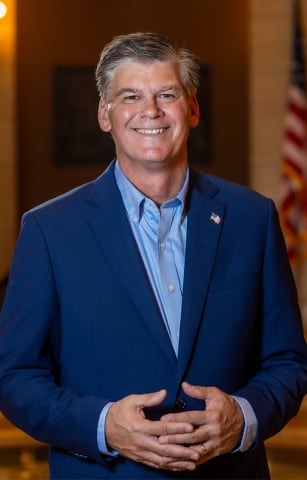
Eric Pratt
R Republican nominee for U.S. House, MN-02
Has not served in Congress
- On the ballot
- On the general election ballotNov 3, 2026 · Minnesota US House 2
- Where to vote
- Find your polling place (opens in a new tab) · More ways to vote
- Top priorities
- AFFORDABILITY
- SAFER COMMUNITIES
- ACCOUNTABILITY
- AFFORDABILITY
- ACCOUNTABILITY
- Money
- $768.8K raised, $595.4K spent, $173.4K cash on hand (through Oct 14, 2026). Where it comes from
- Who gives
- 12% of individual money from donors at $200 or less · 90% from Minnesota · largest committee giver NATIONAL AUTOMOBILE DEALERS ASSOCIATION POLITICAL ACTION COMMITTEE, $10K
- Outside groups
- $191.8K supporting, $94 opposing Pratt
- Backed by
- National Federation of Independent Businesses · Minnesota Farm Bureau PAC · Minnesota Police & Peace Officers Association. As the campaign lists them
6 priorities from ericprattmn.com, in the order they are listed there. Every heading and the text under it is copied exactly, as one passage for each page it is from, and links to that place on the page; hover a source to see which passage it opens.
Eric Pratt spent decades in banking and finance and understands why so many families feel like they are working harder but falling further behind. In Congress, Eric will focus on lowering costs, supporting small businesses, and restoring stability to an economy that no longer feels affordable for working families.
source ↗ (opens the page at this passage) · ericprattmn.com
Housing: Lower the Cost of Building a Home:
Housing costs rise when it takes too long and costs too much to build. Eric will work to streamline federal permitting, expand the American supply of building materials, and encourage more young people to pursue good-paying careers in the skilled trades. Increasing supply and reducing unnecessary barriers can help bring housing costs down and keep more money in families’ pockets.
Eric believes seniors who paid into Social Security should receive the benefits they earned and keep more of that money. He supports eliminating the federal income tax on Social Security benefits and increasing the taxable income cap to help strengthen the program.
But we need to be honest. The social security program is not sustainable under the current qualifications. For younger generations, Eric supports giving workers a choice. Those who remain in Social Security should understand that, as Americans live and work longer, the full retirement age may need to gradually increase. Younger workers should also have the option to opt out and take responsibility for building their own retirement through options such as 401(k)s, 403(b)s, traditional IRAs, Roth IRAs, and other tax-advantaged investments. We need to support all options for Americans to take control of their investment opportunities, not just one government-controlled option.
source ↗ (opens the page at this passage) · ericprattmn.com/about-5
Heading as listed on ericprattmn.com ↗ (opens ericprattmn.com at this heading)
Eric Pratt supports law enforcement, first responders, and policies that keep families safe and communities secure. He believes laws should be enforced fairly, responsibly, and consistently, from our neighborhoods to the U.S. border.
source ↗ (opens the page at this passage) · ericprattmn.com
Heading as listed on ericprattmn.com ↗ (opens ericprattmn.com at this heading)
In the private sector, Eric Pratt helped protect families and businesses from fraud and financial scams. In the Minnesota Senate, he fought to hold government accountable to taxpayers. In Congress, Eric will work to crack down on fraud, abuse, and the people who exploit the system at everyone else’s expense.
source ↗ (opens the page at this passage) · ericprattmn.com
Heading as listed on ericprattmn.com ↗ (opens ericprattmn.com at this heading)
Protect the Promise. Strengthen the Future.
Eric believes seniors who paid into Social Security should receive the benefits they earned and keep more of that money. He supports eliminating the federal income tax on Social Security benefits and increasing the taxable income cap to help strengthen the program.
But we need to be honest. The social security program is not sustainable under the current qualifications. For younger generations, Eric supports giving workers a choice. Those who remain in Social Security should understand that, as Americans live and work longer, the full retirement age may need to gradually increase. Younger workers should also have the option to opt out and take responsibility for building their own retirement through options such as 401(k)s, 403(b)s, traditional IRAs, Roth IRAs, and other tax-advantaged investments. We need to support all options for Americans to take control of their investment opportunities, not just one government-controlled option.
source ↗ (opens the page at this passage) · ericprattmn.com/about-5
Heading as listed on ericprattmn.com/about-5 ↗ (opens ericprattmn.com/about-5 at this heading)
Eric believes families should be able to keep more of what they earn. In the Minnesota Senate, he authored legislation creating a $3,000 refundable child tax credit for young children and has continued supporting efforts to expand child tax relief. MN Revisor's Office. In Congress, Eric would support expanding the federal Child Tax Credit to provide up to $3,000 per child for families who need the help most, giving parents more breathing room for groceries, childcare, housing, and the everyday costs of raising a family.
source ↗ (opens the page at this passage) · ericprattmn.com/about-5
Heading as listed on ericprattmn.com/about-5 ↗ (opens ericprattmn.com/about-5 at this heading)
Eric believes good-paying jobs are built by growing the economy, not growing government. He supports policies that encourage innovation and investment here in the United States, expand reliable and affordable domestic energy, and prepare American workers for the jobs of tomorrow.
That means strengthening career and technical education, apprenticeships, and workforce training so more people can build successful careers right here at home. The goal is a pro-growth economy that creates opportunity, raises wages, and keeps America competitive.
Eric is proud to be endorsed by the National Federation of Independent Businesses (NFIB), as well as union (like the MN Pipe Fitters) and non-union employers representing thousands of small businesses and hard-working employees across the state.
source ↗ (opens the page at this passage) · ericprattmn.com/about-5
Heading as listed on ericprattmn.com/about-5 ↗ (opens ericprattmn.com/about-5 at this heading)
Heading as listed on ericprattmn.com ↗ (opens ericprattmn.com at this heading)
Eric spent more than 30 years in banking and finance, including leadership roles at Target and U.S. Bank, where he worked in risk management and fraud prevention.
In Congress, Eric would bring that same prevention-first mindset to government by creating an independent Office of Program Integrity focused on identifying fraud, waste, abuse, and weak controls before losses reach billions of dollars. Like a fraud-prevention team at a major financial institution, it would use audits, data analysis, and cross-agency information to flag problems early and protect taxpayer dollars.
The goal is simple: Build the guardrails before the money is gone.
source ↗ (opens the page at this passage) · ericprattmn.com/about-5
Heading as listed on ericprattmn.com/about-5 ↗ (opens ericprattmn.com/about-5 at this heading)
Federal programs only work when the rules are followed. Eric supports stronger accountability for states that administer federal dollars, including clear eligibility standards, regular oversight, and swift correction when safeguards fail.
When states ignore established rules, taxpayers lose confidence and people who genuinely need assistance can be pushed aside. In Congress, Eric will work to make sure states are accountable for how federal dollars are spent so help reaches the people it was intended to serve.
source ↗ (opens the page at this passage) · ericprattmn.com/about-5
Heading as listed on ericprattmn.com/about-5 ↗ (opens ericprattmn.com/about-5 at this heading)
Fraud against federal programs steals from taxpayers and from the people those programs are meant to help. Eric supports stronger penalties for individuals and organizations that knowingly defraud the government, especially in cases involving large-scale or repeat offenses.
Families are tired of “rules for thee but not for me”. They work hard and want assurance that everyone is held to the same standards they follow every day. Accountability should be clear: if you deliberately steal taxpayer dollars, the consequences should be serious enough to deter the next person from trying.
source ↗ (opens the page at this passage) · ericprattmn.com/about-5
Heading as listed on ericprattmn.com/about-5 ↗ (opens ericprattmn.com/about-5 at this heading)
Eric’s dad always said “you’d think common sense would be more common”. Eric has taken that and is working toward what he calls Minnesota Common Sense. Here’s what that looks like:
Eric believes representation starts with listening. In Congress, he will stay connected to the people of the Second District through regular community meetings and Chat With Pratt events, giving families, businesses, local leaders, and community organizations a seat at the table.
Every stakeholder deserves to be heard, and Eric will remain accessible and responsive to the needs of the district. His guiding question will remain simple: “What is best for Minnesota families?”
Government should work for the people it serves, not political agendas, special interests, or the insiders who benefit from a broken system. Eric will bring common sense, accountability, and practical problem-solving to Congress while never forgetting how he was raised or who he works for: the families and communities of Minnesota’s Second District.
source ↗ (opens the page at this passage) · ericprattmn.com/about-5
Heading as listed on ericprattmn.com/about-5 ↗ (opens ericprattmn.com/about-5 at this heading)
Heading as listed on ericprattmn.com ↗ (opens ericprattmn.com at this heading)
Public safety works best when law enforcement agencies communicate and cooperate. Eric supports stronger coordination between federal, state, and local law enforcement so information is shared, resources are used effectively, and dangerous individuals do not fall through the cracks because agencies are working in silos.
source ↗ (opens the page at this passage) · ericprattmn.com/about-5
Heading as listed on ericprattmn.com/about-5 ↗ (opens ericprattmn.com/about-5 at this heading)
Safe communities require both strong law enforcement and the resources necessary to prevent crime, respond to emergencies, and protect the people who answer the call.
Eric will work to ensure departments have the tools, training, technology, and resources they need to keep residents and officers safe. The Second District is home to a significant law-enforcement community, making public safety especially personal to many families here.
Eric’s priority is straightforward: families should feel safe in their communities, and the men and women protecting them should make it home safely to their families every night. He’s proud to have the endorsement of the Minnesota Police & Peace Officers Association because of these strong policy stances.
source ↗ (opens the page at this passage) · ericprattmn.com/about-5
Heading as listed on ericprattmn.com/about-5 ↗ (opens ericprattmn.com/about-5 at this heading)
Parents should be able to send their children to school knowing reasonable safety measures are in place. Just as we establish basic standards to protect students from fires and other emergencies, Eric supports developing clear federal school-safety standards to help schools prepare for and respond to threats.
Those standards should focus on practical safeguards, emergency planning, communication, and coordination with local first responders while giving communities flexibility in how they meet them. Every child, teacher, and staff member deserves a safe place to learn and work.
source ↗ (opens the page at this passage) · ericprattmn.com/about-5
Heading as listed on ericprattmn.com/about-5 ↗ (opens ericprattmn.com/about-5 at this heading)
Heading as listed on ericprattmn.com ↗ (opens ericprattmn.com at this heading)