Loading this candidate’s profile from the FEC filings and campaign records.
Where They Stand is a nonpartisan guide to everyone running for Congress: their money, their own words and how incumbents voted. Find your ballot →
Candidates › CA-14 race › 2025–2026
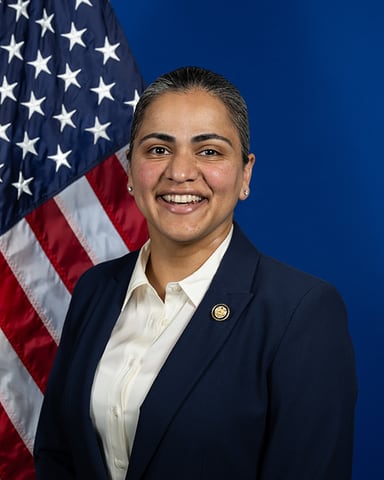
Aisha Wahab
D Democratic nominee for U.S. House, CA-14
Representative since 2026
- On the ballot
- Lost the general electionNov 3, 2026 · 133,402 votes (46.3%) · 2 of 2
- Where to vote
- Find your polling place (opens in a new tab) · More ways to vote
- Top priorities
- Putting You First.
- Lowering Costs & Making Life Affordable
- Housing At All Income Levels
- Healthcare You Can Afford & Count On
- Strong Public Schools & Real Pathways to Success
- In Congress
- Representative since 2026 · votes with their party 95% of the time. See the record · Office phone 202-225-5065
- Money
- $1.2M raised, $752.2K spent, $462.3K cash on hand (through Oct 14, 2026). Where it comes from
- Who gives
- 13% of individual money from donors at $200 or less · 87% from California · largest committee giver SUPPORTERS OF OPERATING ENGINEERS LOCAL UNION #3 ENDORSED CANDIDATES, $15K
- Outside groups
- $1.6M supporting, $2.4M opposing Wahab
- Backed by
- Congressman Pete Stark's Family · Governor Gavin Newsom · US Senator Bernie Sanders and 151 more. As the campaign lists them
22 priorities from aishawahab.com, in the order they are listed there. Every heading and the text under it is copied exactly, as one passage for each page it is from, and links to that place on the page; hover a source to see which passage it opens.
The status quo is afraid because I work for you—not billion-dollar corporations.
- I’ve taken on powerful interest groups to fight for affordable housing, expand homeownership, and improve living conditions. When affordability is on the line, I don’t back down.
- I’ve fought for good jobs, career training for all ages, and real investment in the small businesses that keep our communities strong.
- In tough times, I’ve protected funding for food, healthcare, and public education — because dignity and opportunity shouldn’t be out of reach.
- I’ve partnered with law enforcement to make public safety a priority and led efforts to build a cleaner, healthier environment for the next generation.
This fight is bigger than me—and long overdue. I’m running to keep fighting for the Bay Area we all deserve, and I can’t do it without you.
source ↗ (opens the page at this passage) · aishawahab.com
Heading as listed on aishawahab.com ↗ (opens aishawahab.com at this heading)
In the East Bay, families are doing everything right—and still getting squeezed. Costs are up, paychecks don’t stretch, and too many corporations pile on junk fees and price hikes. I’m running to deliver real relief and stop the rip-offs.
What I have delivered in the Senate: ↗ (opens aishawahab.com/issues-1 at this heading)
- Passed crackdowns on junk fees so prices are honest upfront.
- Fought price gouging during emergencies so seniors and families aren’t exploited.
- Expanded the Renter’s Tax Credit, strengthened consumer protections, and pushed accountability for bad actors that drive up costs.
- On Council: held developers accountable and expanded renter protections to keep families stable.
In Congress: ↗ (opens aishawahab.com/issues-1 at this heading)
- Take on Corporate Greed and Price-Gouging: Break up monopolies, crack down on price-gouging, stop junk fees, and hold corporations accountable when they raise prices while making record profits.
- Ban junk fees nationwide and strengthen consumer protections.
- Take on monopolies and consolidation that raise prices for groceries, energy, healthcare, and housing.
- Cut prescription costs and cap out-of-pocket expenses so people can afford care.
- Protect seniors on fixed incomes and crack down on scams and predatory pricing.
- Protect Social Security, Medicare, Medicaid, SNAP, and Veterans’ Benefits
No cuts. No privatization. No political games with the benefits people earned and rely on.
- Make Childcare and Family Life Affordable: Expand paid family leave, universal childcare, after-school programs, tutoring, and family tax relief so people can afford to work, raise children, and start a family.
source ↗ (opens the page at this passage) · aishawahab.com/issues-1
Heading as listed on aishawahab.com/issues-1 ↗ (opens aishawahab.com/issues-1 at this heading)
I’m a renter with the dream of buying my first home. During the Great Recession, my family lost our business and our home—and nearly 15 years later my family are still renting. Too many families are still locked out of homeownership. Housing is the foundation for everything: stability, safety, and a fair shot at the American Dream.
In the Senate, I was the only State Senator who didn’t own a home—this fight is personal. I’ll continue to push for affordable housing, strong renter protections, and pathways to homeownership.
What I have delivered in the Senate: ↗ (opens aishawahab.com/issues-1 at this heading)
- $300 million for down-payment assistance for first-time buyers.
- Expanded the Renter’s Tax Credit to help with monthly costs.
- Capped HOA fines at $100 to stop unfair financial hits.
- Nation-leading zombie mortgage protections to protect equity and stop predatory foreclosure tactics.
- Defend mobile-home communities and keep longtime residents from being displaced.
- On Council: expanded rent stabilization from 1,000 to 10,000 units, strengthened tenant protections, reduced homelessness by 22%, and held bad developers accountable.
In Congress: ↗ (opens aishawahab.com/issues-1 at this heading)
- Prioritize Housing At All Income Levels, Homeownership: Increase funding for affordable, social, workforce, and starter housing; cut red tape; speed up construction; and expand paths to homeownership.
- Protect & Help Renters: protect renters, increase renter’s tax credit, create a down-payment assistance program for first time homebuyers
- Build more housing at all income levels—starter homes, condos, apartments, and senior housing.
- Stop Wall Street and private equity from buying up single-family homes and pricing families out.
- Stronger renter + homeowner protections against junk fees, predatory mortgages, and displacement.
- Fund solutions to homelessness that are humane, practical, and effective.
source ↗ (opens the page at this passage) · aishawahab.com/issues-1
Heading as listed on aishawahab.com/issues-1 ↗ (opens aishawahab.com/issues-1 at this heading)
Healthcare is my family’s story. My dad ran a small business. Before the Affordable Care Act, he was diagnosed with diabetes and tried to switch plans for better coverage — only to be denied because of a short lapse and a “pre-existing condition,” the very diagnosis he had just received. My dad was rationing his insulin to save money until the ACA protections finally kicked in. Today, in his 70s, it’s still a fight to afford insulin, medications, and the checkups that keep him alive. Families deserve peace of mind, not a system stacked against patients.
What I have delivered in the Senate: ↗ (opens aishawahab.com/issues-1 at this heading)
- $35 insulin cap so families don’t have to ration medicine.
- Supported CalRx $11 insulin to bring prices down.
- Pushed prescription cost accountability so middlemen and drug companies can’t gouge patients.
- Expanded coverage on mental health and substance-use coverage and crisis prevention.
In Congress: ↗ (opens aishawahab.com/issues-1 at this heading)
Lower premiums, deductibles, co-pays, prescription drug prices, and out-of-pocket costs — and move toward universal, affordable healthcare so no family goes bankrupt because they got sick.
- Protect Medicare and Medi-Cal and stop cuts that hit seniors, kids, and people with disabilities first.
- Cap out-of-pocket costs and end surprise billing.
- Take on drug price gouging and lower prescription costs.
- Expand mental health care and strengthen local clinics so appointments aren’t months away.
- Care close to home: stronger clinics and community health centers so families aren’t waiting months or driving hours for an appointment.
source ↗ (opens the page at this passage) · aishawahab.com/issues-1
Heading as listed on aishawahab.com/issues-1 ↗ (opens aishawahab.com/issues-1 at this heading)
I earned my Doctorate of Social Work and I’m a proud product of Alameda County public schools, with student loans that held me down. Families want safe schools, strong basics, and real opportunity—college, trade, or a good-paying job—without starting adulthood buried in debt.
What I’ve done in the Senate: ↗ (opens aishawahab.com/issues-1 at this heading)
- Two free school meals for every student—real savings for families.
- Universal transitional kindergarten so more kids start ready to learn.
- After-school and summer learning expansion (TK–6) for working families.
- CSU Direct Admission so qualified students—especially first-gen—get a clear path to college.
- Strengthen school suicide-prevention policy and prioritize behavioral health professionals.
- Secured $1.5 million for Fremont community Wi-Fi to close the homework gap.
- Pushed pay equity for staff at the California School for the Deaf and Blind (Fremont).
What I will do in Congress: ↗ (opens aishawahab.com/issues-1 at this heading)
- Protect Title I and IDEA funding and expand tutoring and after-school.
- Lower college and career-training costs—protect Pell, expand apprenticeships/CTE.
- More counselors and mental health supports on campus.
- Broadband as basic infrastructure so every student can compete.
source ↗ (opens the page at this passage) · aishawahab.com/issues-1
Heading as listed on aishawahab.com/issues-1 ↗ (opens aishawahab.com/issues-1 at this heading)
I watched endless wars, leaders who misled the public, and a political system where big money got louder after Citizens United — while working families paid the price. Too often, the powerful got more powerful: monopolies grew, rights were rolled back, and everyday people — seniors, women, children, LGBTQ+ people, immigrants, and other vulnerable communities — were told their safety and dignity could wait. That’s backwards. Congress needs to put people first. Democracy only works when rights are protected, corruption is punished, and no one is above the law—no matter how rich or connected.
What I have delivered in the Senate: ↗ (opens aishawahab.com/issues-1 at this heading)
- Advanced protections for workers’ freedom of employer influence
- Strengthened protections for reproductive freedom and privacy.
- Supported safeguards that protect immigrants, patients, and students from fear tactics and protect personal information.
- Supported immigration legal services so families have due process.
- Supported junk-fee crackdowns and price-gouging enforcement to protect seniors and working families.
- Led a bipartisan human rights resolution prioritizing civilian protection, humanitarian aid, and accountability.
In Congress: ↗ (opens aishawahab.com/issues-1 at this heading)
- Ban congressional insider trading and strengthen ethics and anti-corruption rules.
- Defend voting rights, civil rights, and equal protection for women, seniors, kids, LGBTQ+ people, immigrants, and vulnerable communities.
- Secure, fair, and humane immigration with due process and faster legal pathways.
- War as a last resort—diplomacy first, clear goals, and accountability before committing lives and taxpayer dollars.
source ↗ (opens the page at this passage) · aishawahab.com/issues-1
Heading as listed on aishawahab.com/issues-1 ↗ (opens aishawahab.com/issues-1 at this heading)
Small businesses are the backbone of our communities — they create jobs, keep our downtowns alive, and hold neighborhoods together. As the daughter of small business owners, I know the stress of making payroll and the fear that one more fee or delay could shut the doors. Government should make it easier to start and grow a business — not bury owners in red tape while big corporations get special treatment.
In the Senate, as Chair of the Business, Professions, and Economic Development Committee, I’ve focused on clear rules, strong consumer protection, and a fair shot for honest businesses — while building a workforce plan that keeps good jobs local.
With an MBA and experience on Hayward’s Economic and Budget Committees, I helped guide COVID recovery, strengthen reserves, and improve the city’s financial standing — because strong small businesses mean stable communities.
I’ll always fight for mom-and-pop shops, local hiring, and wages people can actually live on.
What I’ve done in the Senate: ↗ (opens aishawahab.com/issues-1 at this heading)
As Chair of the Senate Business, Professions, and Economic Development Committee, I’ve focused on two things: protecting consumers and helping businesses thrive — with clearer rules, stronger enforcement against bad actors, and a practical approach that recognizes not every business is the same.
- More money + easier access to capital: California expanded and used state-backed programs that help small businesses qualify for loans (especially for very small and underserved businesses).
- Free hands-on help to start and grow: The state put more funding into free 1:1 advising, classes, and technical assistance so owners can get help with permits, planning, financing, marketing, and compliance.
- More chances to win government contracts: California pushed agencies and contractors to buy more from certified small businesses, including on big infrastructure projects, so Main Street businesses can compete and get paid.
- Investments that create local jobs (and customers): The state continued major economic development awards to drive expansion and job creation—bringing more payroll, suppliers, and spending into local communities.
I’ve it easier to get a loan, easier to get expert help, and easier to win contracts—so small businesses can open faster, keep the doors open, and hire locally.
What I will do in Congress: ↗ (opens aishawahab.com/issues-1 at this heading)
I’ll fight for a pro-small-business agenda that’s simple and measurable: lower costs, less red tape, more customers, and a stronger workforce. That means:
- Cut red tape and streamline permits so entrepreneurs can start faster and grow sooner.
- Revitalize Main Street with targeted tax relief and credits for small businesses, not special-interest carveouts.
- Reward local hiring and livable wages so growth means opportunity for working families.
- Expand support for startups and first-time entrepreneurs — especially women-, immigrant-, and minority-owned businesses.
- Help small businesses offer retirement options so workers can build security and employers can retain talent.
- Build a 21st-century economy by growing manufacturing, biotech, and next-gen industries across our region.
- Connect people to high-paying careers through workforce pipelines in AI, tech, and advanced manufacturing — so businesses can hire locally and families can get ahead.
- Create Good-Paying Jobs and Raise Wages: Raise the federal minimum wage, expand apprenticeships and trades, support local hiring, and create jobs that let people afford to live where they work.
source ↗ (opens the page at this passage) · aishawahab.com/issues-1
Heading as listed on aishawahab.com/issues-1 ↗ (opens aishawahab.com/issues-1 at this heading)
My father was murdered—a case that remains unsolved. I’ve been a victim of theft, hate speech, and violence. Like so many, I know what it means to demand justice and feel ignored. Enough is enough. Everyone deserves safety, dignity, and accountability.
As a State Senator, I passed bills making Organized Retail Theft a crime, deepfakes and pornographic images of children illegal, and officers must show their face, and ensure no one is above the law.
On City Council, I pushed for stronger crime-solving efforts, independent investigations of fatal police shootings, better response times, and mental health-focused crisis response. I’ve championed both enforcement and reform—because no one is above the law, and the punishment must fit the crime.
We must modernize outdated laws, prioritize victims, address root causes of crime, and create real paths to accountability and rehabilitation. I’m committed to public safety that works—for everyone.
What I have delivered in the Senate: ↗ (opens aishawahab.com/issues-1 at this heading)
- Protected seniors and families from surprise changes in care by requiring clear, upfront disclosures in retirement communities
- Strengthened school suicide-prevention expectations so schools respond faster and more consistently when kids are at risk
- Kept families together by removing unfair barriers that block reunification in court
- Helped refugees get support sooner by improving access to essential information and resources
- Protected the privacy of families receiving assistance by strengthening confidentiality rules
- Respected faith and culture in the workplace by allowing state employees to swap a holiday to observe a religious or cultural day
- Kept children safe during emergencies by creating clear, legal caregiving plans so kids stay with trusted caregivers—not left to chance
I’ve focused on what families actually feel—safety, dignity, and stability—and I’ve gotten it done.
What I’ll do in Congress: ↗ (opens aishawahab.com/issues-1 at this heading)
- The Fight Against Hate in All its Forms (Anti-Semitism, Asian-Hate, Islamophobia, Racism, Bigotry)
- Enforcing the Law & Holding Offenders Accountable
- Expanding Criminal Courts & Services
- Protecting Our Most Vulnerable Communities
- Appropriate Response to Mental Health & Homeless Crisis Calls
- Crack down on dealers, gun trafficking, and organized crime—focus on the dealers and networks fueling violence, not working families.
- Protect children and vulnerable people—stronger tools to stop exploitation, trafficking, and repeat predators.
- Prevent crime before it happens—fund proven community violence prevention, youth programs, and mental health crisis response so fewer families become victims.
- Support law enforcement with accountability—resources, staffing, and training paired with clear standards and transparency to keep the public safe and protect civil rights.
- Cut repeat crime—expand reentry pathways to jobs and treatment so people don’t cycle back and communities stay safer.
- Ensure all law enforcement abides by the law
source ↗ (opens the page at this passage) · aishawahab.com/issues-1
Heading as listed on aishawahab.com/issues-1 ↗ (opens aishawahab.com/issues-1 at this heading)
As a former environmental consultant, I know the cost of inaction—our planet is in crisis. Climate change is real, and we see it in rising wildfires, droughts, and extreme weather.
Climate change is the smoke in our lungs, the fire risk outside our doors, and the rising bills hitting family budgets. As a former environmental consultant, I’ve seen the cost of delay up close: when government waits, families pay.
Communities are forced to pay twice — paying more for gas and utilities, and paying with their health when pollution, wildfire smoke, and extreme heat hit. I lead with one rule: protect the most vulnerable first — kids with asthma, seniors in dangerous heat, workers on the frontlines, and neighborhoods that have carried the burden of pollution for decades. We can cut pollution, lower costs, and create good-paying jobs at the same time — and we must.
I’m committed to bold environmental policies that protect our future while also ensuring a sustainable structure for power.
What I’ve done in the Senate: ↗ (opens aishawahab.com/issues-1 at this heading)
I’ve fought to protect families’ health and their pocketbooks—because clean air and clean water don’t matter if people can’t afford to stay in their homes.
- Strengthened wildfire protection by pushing to make Cal Fire a year-round service, so we’re not “off season” when fires don’t take a break.
- Took on utility price gouging—holding utilities accountable and challenging CPUC-approved rate hikes that hit working families and seniors the hardest.
- Put environmental justice first by demanding stronger protections and real accountability in communities burdened by pollution.
- Focused on energy affordability and reliability so the clean-energy transition doesn’t become another bill families can’t pay.
- Planned for a responsible refinery transition that protects public health, prevents supply shocks, and supports workers and local communities.
- Invested in resilience so communities are better prepared for wildfires, extreme heat, and climate emergencies.
- As a City Councilmember, I pushed regional wildfire prevention, shoreline protection, and supported a local Green New Deal — because climate action should mean safer communities and good local jobs.
What I’ll do in Congress: ↗ (opens aishawahab.com/issues-1 at this heading)
I’ll deliver an environment plan that’s about health, safety, and lower costs—with polluters and price gougers finally held to account.
- Cut energy costs and stop price gouging while accelerating clean energy and grid upgrades that improve reliability.
- Protect clean air and safe drinking water everywhere—no community should be treated like a sacrifice zone.
- Hold polluters accountable with stronger enforcement, monitoring, and “polluter pays” rules when companies harm public health.
- Hold bad actors accountable—utilities and insurance companies included—so families aren’t punished for corporate failure and greed.
- Build localized disaster response and resilience: wildfire mitigation, smoke readiness, extreme-heat protections, and faster recovery support.
- Create good-paying clean jobs by growing American manufacturing in clean tech and training workers for the jobs of the future.
I’ll fight for clean air, clean water, and lower bills—because protecting people comes first.
source ↗ (opens the page at this passage) · aishawahab.com/issues-1
Heading as listed on aishawahab.com/issues-1 ↗ (opens aishawahab.com/issues-1 at this heading)
Civil rights are under attack—from the rollback of Roe v. Wade to rising hate and growing inequality. I believe in a future where everyone has the freedom to live with dignity, make their own decisions, and be treated equally under the law.
I’m proud to be the only candidate with a 100% rating with Planned Parenthood, NARAL Pro-Choice, and Equality CA for my work in the Senate. I’ve consistently fought for reproductive freedom, LGBTQIA+ rights, racial justice, and equal access to healthcare, housing, and opportunity.
But justice also means supporting modern families—women, children, and seniors who are too often unheard and overlooked. I’ve lived the reality of caregiving, economic hardship, and personal sacrifice. I know what it means to balance dreams with responsibility.
Our most vulnerable are also our most valuable. That’s why I’m committed to policies that support caregivers, protect civil rights, expand access to healthcare and childcare, and ensure every family—regardless of its makeup—has the opportunity to thrive.
Freedom isn’t real if it only belongs to some people. Civil rights means you can live your life with dignity—make your own healthcare decisions, raise your family safely, and know your government will protect you, not target you. I’ve always been clear: no one should be harassed, discriminated against, or stripped of rights because of who they are, where they come from, how they worship, or how much money they have.
What I’ve done in the Senate ↗ (opens aishawahab.com/issues-1 at this heading)
- Protected reproductive freedom by standing firm against efforts to roll back access to care and by defending the right to make personal medical decisions without political interference.
- Strengthened civil liberties and public accountability—including pushing policies that prevent anonymous or deceptive enforcement practices and protect the public from abuse of power.
- Protected survivors and closed loopholes that failed them, because safety and justice shouldn’t depend on someone’s status, income, or circumstances.
- Defended privacy and basic dignity for people receiving assistance and for families navigating the system—so getting help doesn’t mean losing your rights.
What I will do in Congress ↗ (opens aishawahab.com/issues-1 at this heading)
- Protect reproductive healthcare nationwide—stop federal bans, defend access to contraception and family planning, and protect the right to privacy in healthcare decisions.
- Expand equal protection under the law—stronger enforcement against discrimination in housing, employment, education, and healthcare, including pregnancy discrimination.
- Support working families’ freedom to thrive—paid family leave, universal childcare, and protections so parents aren’t punished for having a family.
- Hold bad actors accountable—whether it’s government officials violating civil rights, corporations abusing the public, or extremists threatening communities.
- Protect civil liberties for everyone—regardless of race, ethnicity, gender, religion, sexual orientation, disability, or immigration status—because rights only matter if they apply to all of us.
source ↗ (opens the page at this passage) · aishawahab.com/issues-1
Heading as listed on aishawahab.com/issues-1 ↗ (opens aishawahab.com/issues-1 at this heading)
As an Afghan American who has traveled to Afghanistan and witnessed the consequences of decades of conflict, I understand how decisions made in Washington can alter the lives of families thousands of miles away for generations.
I have seen what happens when powerful nations treat another country like a battlefield instead of a home. Families are displaced. Communities are torn apart. Children inherit trauma and instability they did not create. That experience has shaped a simple belief: American foreign policy should make the world more secure, not leave countries more broken than we found them.
For more than two decades, the United States has conducted military operations across Afghanistan, Iraq, Syria, Libya, Yemen, Pakistan, Somalia, and elsewhere. The cost cannot be measured only in military spending or territory. It must also be measured in civilians killed, families forced from their homes, veterans carrying the wounds of repeated deployments, and refugees searching for safety after their countries have been destabilized.
Military force without a clear political solution can deepen the very dangers it is supposed to eliminate. Civilian casualties and prolonged occupations fuel anger, strengthen extremist recruitment, and undermine trust in the United States. We cannot bomb our way to lasting peace.
Our Constitution provides a clear safeguard against endless conflict. Congress has the responsibility to debate and authorize war. Yet presidents of both parties have relied on outdated authorizations or acted without a direct vote from the representatives of the American people. No president should have unlimited authority to commit our troops to open-ended military operations. Congress must reclaim its constitutional responsibility, and the public deserves to know the mission, its cost, and how it will end.
National security spending must also face the same scrutiny as every other part of the federal budget. In 2018, the Pentagon received approximately $700 billion, while the projected costs of the F-35 fighter jet program and nuclear weapons modernization reached into the trillions. Washington cannot continue approving enormous military expenditures with little resistance while telling working families that healthcare, housing, education, and economic security are unaffordable.
Changing course does not mean withdrawing from the world. It means leading with discipline and purpose. The United States should invest in diplomacy, humanitarian assistance, international partnerships, and economic cooperation before turning to military force. We should work with our allies and international institutions whenever possible instead of acting alone.
We must end open-ended deployments, stop unauthorized air campaigns, and return service members from conflicts that lack clear goals or a responsible conclusion. The best way to honor our troops is not to send them into wars that political leaders cannot explain and refuse to end.
America is strongest when our word carries weight, our alliances are trusted, and our military is used only as a true last resort. A responsible foreign policy can protect our country, reunite military families, rebuild relationships abroad, and prevent another generation from inheriting wars that should have ended long ago.
source ↗ (opens the page at this passage) · aishawahab.com/issues-1
Heading as listed on aishawahab.com/issues-1 ↗ (opens aishawahab.com/issues-1 at this heading)
Billionaires should pay their fair share in taxes, and loopholes should be closed.
People working full time should not have to rely on food stamps and public assistance while billionaires continue to accumulate extraordinary wealth. We all benefit from the schools, infrastructure, and economy that we collectively help sustain, and our tax system should reflect that fairness.
This is not about punishing success. It is about basic fairness. When families are struggling to afford housing, health care, groceries, and childcare, asking billionaires to contribute more is not radical—it is responsible.
I support making our tax system fair and ensure those with the greatest ability to contribute are doing their part.
source ↗ (opens the page at this passage) · aishawahab.com/issues-1
Heading as listed on aishawahab.com/issues-1 ↗ (opens aishawahab.com/issues-1 at this heading)