Loading the public record
Where They Stand is a nonpartisan guide to everyone running for Congress: their money, their own words and how incumbents voted. Find your ballot →
All recent votes117th CongressSenate
S.Con.Res. 14A concurrent resolution setting forth the congressional budget for the United States Government for fiscal year 2022 and setting forth the appropriate budgetary levels for fiscal years 2023 through 2031.
- Sponsor
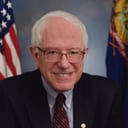
- Bernard Sanders [I-VT]
- Cosponsors
- 10 · 10 Democrats
- Policy area
- Economics and Public Finance
- Committee
- Budget Committee
- Latest action
- Aug 24, 2021 · Pursuant to the provisions of H. Res. 601, S. Con. Res. 14 is considered passed House. (text: CR H4372-4384)
- IntroducedAug 9, 2021
- Passed the SenateAug 11, 2021
- Passed the HouseAug 24, 2021
This concurrent resolution establishes the congressional budget for the federal government for FY2022, sets forth budgetary levels for FY2023-FY2031, and provides reconciliation instructions for legislation that increases the deficit.
The resolution recommends levels and amounts for FY2022-FY2031 for
- federal revenues,
- new budget authority,
- budget outlays,
- deficits,
- public debt,
- debt held by the public, and
- the major functional categories of spending.
It also recommends levels and amounts for Social Security and Postal Service discretionary administrative expenses for the purpose of budget enforcement in the Senate.
The resolution includes reconciliation instructions that direct (1) several House and Senate committees to report legislation that will increase the deficit over FY2022-FY2031 by no more than an amount specified for each committee, and (2) the Senate Finance Committee and the House Ways and Means Committee to report legislation that will reduce the deficit by at least $1 billion over FY2022-FY2031.
(Under current law, reconciliation bills are considered by Congress using expedited legislative procedures that prevent a filibuster and restrict amendments in the Senate.)
In addition, the resolution establishes reserve funds that allow certain adjustments to committee allocations and other budgetary levels to accommodate
- reconciliation legislation,
- tax legislation that does not raise taxes on people making less than $400,000,
- legislation that would not increase the deficit over specified time periods, and
- legislation that addresses a wide range of other specified policy issues.
The resolution also sets forth budget enforcement procedures that address issues such as emergency legislation, advance appropriations, infrastructure legislation, adjustments to budget allocations, and cost estimates for child care or prekindergarten legislation.
Written by the nonpartisan Congressional Research Service, describing S.Con.Res. 14 as passed House on Aug 24, 2021. It is not the text of the measure; a later amendment may have changed what it does.
Choose a roll call
Aug 10, 2021Each bar: ✓ Yea from the bottom, ✕ Nay aboveAug 11, 2021
Senate Aug 11, 2021 · the primary vote
On the Concurrent Resolution
S. Con. Res. 14, As Amended
Concurrent Resolution Agreed to
50 Yea 49 Nay 1 not voting
Party-line vote No voting member broke with their own party.
How the chamber split
DemocratsIndependentsRepublicansFilled: YeaRing: NayGrey: not voting or present
Showing 100 of 100 members
- DTammy BaldwinWI · DemocraticYea
- RJohn BarrassoWY · RepublicanNay
- DMichael F. BennetCO · DemocraticYea
- RMarsha BlackburnTN · RepublicanNay
- DRichard BlumenthalCT · DemocraticYea
- RBluntMO · RepublicanNay
- DCory A. BookerNJ · DemocraticRunning in 2026Yea
- RJohn BoozmanAR · RepublicanNay
- RBraunIN · RepublicanNay
- DBrownOH · DemocraticYea
- RBurrNC · RepublicanNay
- DMaria CantwellWA · DemocraticYea
- RShelley Moore CapitoWV · RepublicanRunning in 2026Nay
- DCardinMD · DemocraticYea
- DCarperDE · DemocraticYea
- DCaseyPA · DemocraticYea
- RBill CassidyLA · RepublicanRunning in 2026Nay
- RSusan M. CollinsME · RepublicanRunning in 2026Nay
- DChristopher A. CoonsDE · DemocraticRunning in 2026Yea
- RJohn CornynTX · RepublicanRunning in 2026Nay
- DCatherine Cortez MastoNV · DemocraticYea
- RTom CottonAR · RepublicanRunning in 2026Nay
- RKevin CramerND · RepublicanNay
- RMike CrapoID · RepublicanNay
- RTed CruzTX · RepublicanNay
- RSteve DainesMT · RepublicanNay
- DTammy DuckworthIL · DemocraticYea
- DRichard J. DurbinIL · DemocraticYea
- RJoni ErnstIA · RepublicanNay
- DFeinsteinCA · DemocraticYea
- RDeb FischerNE · RepublicanNay
- DKirsten E. GillibrandNY · DemocraticYea
- RGrahamSC · RepublicanNay
- RChuck GrassleyIA · RepublicanNay
- RBill HagertyTN · RepublicanRunning in 2026Nay
- DMargaret Wood HassanNH · DemocraticYea
- RJosh HawleyMO · RepublicanNay
- DMartin HeinrichNM · DemocraticYea
- DJohn W. HickenlooperCO · DemocraticRunning in 2026Yea
- DMazie K. HironoHI · DemocraticYea
- RJohn HoevenND · RepublicanNay
- RCindy Hyde-SmithMS · RepublicanRunning in 2026Nay
- RInhofeOK · RepublicanNay
- RRon JohnsonWI · RepublicanNay
- DTim KaineVA · DemocraticYea
- DMark KellyAZ · DemocraticYea
- RJohn KennedyLA · RepublicanNay
- IAngus S. King, Jr.ME · IndependentYea
- DAmy KlobucharMN · DemocraticYea
- RJames LankfordOK · RepublicanNay
- DLeahyVT · DemocraticYea
- RMike LeeUT · RepublicanNay
- DBen Ray LujánNM · DemocraticRunning in 2026Yea
- RCynthia M. LummisWY · RepublicanRunning in 2026Nay
- DManchinWV · DemocraticYea
- DEdward J. MarkeyMA · DemocraticRunning in 2026Yea
- RRoger MarshallKS · RepublicanRunning in 2026Nay
- RMitch McConnellKY · RepublicanNay
- DMenendezNJ · DemocraticYea
- DJeff MerkleyOR · DemocraticRunning in 2026Yea
- RJerry MoranKS · RepublicanNay
- RLisa MurkowskiAK · RepublicanNay
- DChristopher MurphyCT · DemocraticYea
- DPatty MurrayWA · DemocraticYea
- DJon OssoffGA · DemocraticRunning in 2026Yea
- DAlex PadillaCA · DemocraticYea
- RRand PaulKY · RepublicanNay
- DGary C. PetersMI · DemocraticYea
- RPortmanOH · RepublicanNay
- DJack ReedRI · DemocraticRunning in 2026Yea
- RJames E. RischID · RepublicanRunning in 2026Nay
- RRomneyUT · RepublicanNay
- DJacky RosenNV · DemocraticYea
- RMike RoundsSD · RepublicanRunning in 2026Not voting
- RRubioFL · RepublicanNay
- IBernard SandersVT · IndependentYea
- RSasseNE · RepublicanNay
- DBrian SchatzHI · DemocraticYea
- DCharles E. SchumerNY · DemocraticYea
- RRick ScottFL · RepublicanNay
- RTim ScottSC · RepublicanNay
- DJeanne ShaheenNH · DemocraticYea
- RShelbyAL · RepublicanNay
- DSinemaAZ · DemocraticYea
- DTina SmithMN · DemocraticYea
- DStabenowMI · DemocraticYea
- RDan SullivanAK · RepublicanRunning in 2026Nay
- DTesterMT · DemocraticYea
- RJohn ThuneSD · RepublicanNay
- RThom TillisNC · RepublicanNay
- RToomeyPA · RepublicanNay
- RTommy TubervilleAL · RepublicanNay
- DChris Van HollenMD · DemocraticYea
- DMark R. WarnerVA · DemocraticRunning in 2026Yea
- DRaphael G. WarnockGA · DemocraticYea
- DElizabeth WarrenMA · DemocraticYea
- DSheldon WhitehouseRI · DemocraticYea
- RRoger F. WickerMS · RepublicanNay
- DRon WydenOR · DemocraticYea
- RTodd YoungIN · RepublicanNay
100 members on this roll call, from the official Senate record. Party majorities need at least five voting members, so an independent never counts as breaking with a party.
Signing on is not a vote: a member can cosponsor S.Con.Res. 14 and vote against it. 10 signed when it was filed.