Loading this candidate’s profile from the FEC filings and campaign records.
Where They Stand is a nonpartisan guide to everyone running for Congress: their money, their own words and how incumbents voted. Find your ballot →
Candidates › AZ-07 race › 2025–2026
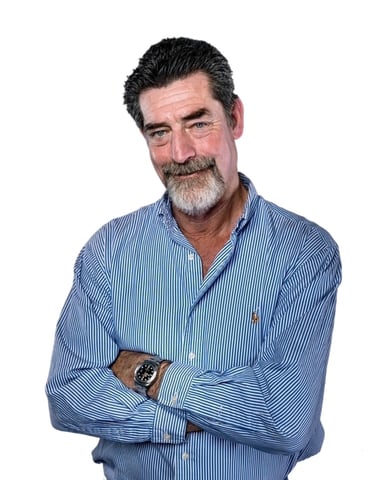
Daniel Butierez
R Republican nominee for U.S. House, AZ-07
Has not served in Congress
- On the ballot
- On the general election ballotNov 3, 2026 · Arizona US House 7
- Where to vote
- Find your polling place (opens in a new tab) · More ways to vote
- Top priorities
- Economic Policy
- Addressing the Homeless Crisis
- Income Tax Reform Policy
- Money
- $233.9K raised, $223.2K spent, $11.3K cash on hand (through Oct 14, 2026). Where it comes from
- Who gives
- 42% of individual money from donors at $200 or less · 99.6% from Arizona · largest committee giver FREEDOM'S DEFENSE FUND, $1K
3 priorities from butierezforcongress.com, in the order they are listed there. Every heading and the text under it is copied exactly, as one passage for each page it is from, and links to that place on the page; hover a source to see which passage it opens.
As a candidate committed to building a stronger, more prosperous future for all Americans, my economic policies are designed to foster growth, create jobs, and ensure opportunity for every individual. Drawing from principles of fiscal responsibility, innovation, and community investment, I aim to address both national challenges and local needs in Arizona. Below, I outline my vision for U.S. economics and local economics, focusing on practical solutions that put people first.
U.S. Economics ↗ (opens butierezforcongress.com/economic-policy at this heading)
The United States economy is the backbone of global stability, but it faces significant hurdles including inflation, supply chain disruptions, rising national debt, and unequal wealth distribution. My national economic policy prioritizes sustainable growth, fair trade, and support for American workers and businesses.
Key Priorities: ↗ (opens butierezforcongress.com/economic-policy at this heading)
Reducing Inflation and Stabilizing Prices: I support targeted measures to control inflation without stifling growth, such as streamlining regulations that hinder domestic production and investing in energy independence. This includes expanding renewable energy sources while maintaining a balanced approach to fossil fuels to lower costs for families and businesses.
Job Creation and Workforce Development: By incentivizing manufacturing to return to the U.S. through tax credits and trade reforms, we can create millions of high-paying jobs. I’ll advocate for expanded vocational training programs, apprenticeships, and partnerships between community colleges and industries to equip workers with skills for the 21st-century economy.
Tax Reform for Fairness: Simplify the tax code to benefit middle-class families and small businesses. This means closing loopholes for large corporations and the ultra-wealthy, while providing deductions for education, healthcare, and homeownership. My goal is a progressive system that encourages investment without burdening everyday Americans.
Debt Reduction and Fiscal Responsibility: Address the national debt by cutting wasteful spending, reforming entitlement programs for long-term sustainability, and promoting economic growth that increases revenue. I’ll push for bipartisan audits of federal programs to eliminate inefficiencies.
Innovation and Technology: Invest in research and development for emerging technologies like AI, biotechnology, and clean energy. This will position the U.S. as a leader in global innovation, creating jobs and boosting exports while ensuring ethical standards and data privacy.
These policies aim to achieve a GDP growth rate of at least 3% annually, reduce unemployment below 4%, and lift millions out of poverty through opportunity-driven initiatives.
Local Economics ↗ (opens butierezforcongress.com/economic-policy at this heading)
In Arizona, and specifically in communities like Picture Rocks and the greater Tucson area, we face unique economic challenges such as water scarcity, housing affordability, and reliance on tourism and agriculture. My local economic policies are tailored to leverage our state’s strengths—sunny climate, natural resources, and diverse workforce—while addressing these issues head-on.
Housing Affordability and Development: Tackle the housing crisis by streamlining permitting processes for affordable housing projects and offering incentives for developers to build workforce housing. I’ll support programs to assist first-time homebuyers and combat speculative real estate practices that drive up prices.
Water and Resource Management: Arizona’s economy depends on sustainable water use. I propose investments in water conservation technologies, infrastructure upgrades for dams and canals, and partnerships with federal agencies to secure long-term water rights. This will protect agriculture, support urban growth, and create jobs in green infrastructure.
Small Business Support: As a state with a vibrant entrepreneurial spirit, I’ll advocate for reduced local taxes on small businesses, access to low-interest loans, and grants for startups in sectors like renewable energy and tech. Special focus on rural areas like Picture Rocks to ensure they aren’t left behind in economic development.
Tourism and Outdoor Economy: Enhance Arizona’s tourism by investing in state parks, trails, and cultural sites. This includes funding for eco-tourism initiatives that promote sustainable practices, boosting local economies through increased visitor spending while preserving our natural beauty.
Education and Workforce Training: Partner with local institutions like Pima Community College to expand job training programs in high-demand fields such as healthcare, solar energy installation, and aerospace. This will help reduce unemployment in Pima County and prepare residents for well-paying careers.
By focusing on these local issues, I aim to drive Arizona’s economic growth, create thousands of jobs in key sectors, and improve quality of life for families in Picture Rocks and beyond.
source ↗ (opens the page at this passage) · butierezforcongress.com/economic-policy
A Conservative Approach Rooted in Compassion and Accountability ↗ (opens butierezforcongress.com/homelessnes-and-housing-policy at this heading)
As a candidate for U.S. Congress, I believe the homelessness crisis in America, particularly in Arizona, demands urgent action that balances compassion with fiscal responsibility and public safety. Homelessness is not just a matter of housing—it’s often intertwined with deep-rooted issues like drug addiction and mental illness. We can’t ignore the reality that a significant portion of the homeless population struggles with substance abuse and untreated psychiatric conditions, fueled by permissive policies and inadequate enforcement. My stance is clear: we must prioritize treatment, accountability, and community safety over endless spending on ineffective programs that enable dependency.
First, we need to tackle the drug epidemic head-on as a primary driver of homelessness. I’ll fight for stronger federal support to expand mandatory drug rehabilitation programs tied to shelter access, ensuring that those receiving aid commit to sobriety. This includes partnering with states to enforce anti-drug trafficking laws more rigorously, cutting off the flow of fentanyl and other deadly substances that devastate lives. By reallocating funds from bloated federal bureaucracies to proven, evidence-based treatment centers—such as those emphasizing faith-based recovery and job training—we can help individuals break the cycle of addiction without wasting taxpayer dollars on open-air drug markets masquerading as “harm reduction.”
Mental health reform is equally critical. Too many homeless individuals suffer from untreated mental illnesses due to outdated laws that prioritize “rights” over intervention. I’ll advocate for updating federal guidelines to allow for compassionate, court-ordered treatment in cases of severe mental health crises, while protecting civil liberties. This means increasing funding for mental health facilities through block grants to states, incentivizing public-private partnerships, and integrating services with local law enforcement for humane interventions. In Arizona, where our warm climate attracts transients, we’ll focus on regional solutions like secure transitional housing that combines therapy, skills training, and work requirements—ensuring fiscal accountability by measuring success through reduced recidivism and self-sufficiency rates.
Ultimately, my policy on homelessness is about restoring dignity and order. We won’t solve this by throwing more money at failed progressive experiments that turn our streets into encampments. Instead, we’ll enforce anti-vagrancy laws to protect public spaces, support veterans and families with targeted aid, and hold local governments accountable for results. Together, with conservative principles of personal responsibility and limited government, we can lift the homeless out of despair and make our communities safer for everyone.
source ↗ (opens the page at this passage) · butierezforcongress.com/homelessnes-and-housing-policy
Heading as listed on butierezforcongress.com/policy ↗ (opens butierezforcongress.com/policy at this heading) · “Homelessnes and Housing Policy” on butierezforcongress.com/homelessnes-and-housing-policy ↗ (opens butierezforcongress.com/homelessnes-and-housing-policy at this heading)
Simplifying America’s Tax System: Toward a Fairer, Flatter Future and Eliminating the IRS ↗ (opens butierezforcongress.com/income-tax-reform-policy at this heading)
As a conservative candidate for U.S. Congress, I am committed to overhauling our broken federal tax system—one that punishes hard work, rewards loopholes for the connected, and empowers an unaccountable IRS bureaucracy that harasses everyday Americans. The current 75,000-page tax code is a nightmare for families and small businesses, costing billions in compliance and stifling economic growth. It’s time for bold reform: a dramatically simplified tax system that puts more money in your pocket, restores fairness, and ultimately eliminates the need for the IRS as we know it.
My plan starts with exploring a flat tax or national sales tax (FairTax) as viable paths forward. A flat income tax—perhaps a single low rate of 15-20% on all income above a generous family exemption—would replace our progressive maze with something simple enough to file on a postcard. No deductions for special interests, no complicated forms—just fair, transparent taxation that treats everyone equally. Alternatively, the FairTax proposal, a national consumption tax replacing income taxes entirely, would tax spending rather than earning, encouraging savings and investment while exempting essentials like food and medicine for lower-income families.
These reforms would generate sufficient revenue responsibly while slashing wasteful spending elsewhere. More importantly, they pave the way to abolish the IRS. Under a true flat or consumption-based system, tax collection becomes automated and minimal—no army of agents needed to audit citizens or enforce arcane rules. Revenue collection could shift to state sales tax systems (already proven efficient) or simple withholding, saving taxpayers tens of billions annually and ending IRS overreach once and for all.
I’ll fight to:
- Cap rates low and eliminate most deductions/credits that favor the powerful.
- Protect Social Security and Medicare through dedicated funding outside general revenue.
- Phase in reforms gradually to avoid disruption, with safeguards for retirees and low-income workers.
- Demand congressional oversight and sunsetting of any new system if it grows complex again.
This isn’t just about lower taxes—it’s about freedom. A simplified system rewards hard work, boosts take-home pay for Arizona families, spurs job creation, and restores trust in government by removing a feared agency from American life. Together, let’s send the IRS packing and build an economy where everyone prospers.
source ↗ (opens the page at this passage) · butierezforcongress.com/income-tax-reform-policy