Loading this candidate’s profile from the FEC filings and campaign records.
Where They Stand is a nonpartisan guide to everyone running for Congress: their money, their own words and how incumbents voted. Find your ballot →
Candidates › MN-08 race › 2025–2026
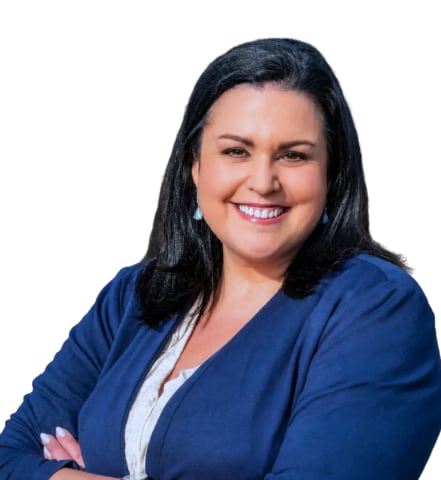
Trina Swanson
D Democratic-Farmer-Labor nominee for U.S. House, MN-08
Has not served in Congress
- On the ballot
- On the general election ballotNov 3, 2026 · Minnesota US House 8
- Where to vote
- Find your polling place (opens in a new tab) · More ways to vote
- Top priorities
- Trina is Fighting for Minnesotans
- Priorities & Issues
- Keep Healthcare Close to Home
- Keep Good-Paying Jobs Close to Home
- Housing We Can Afford
- Money
- $727.3K raised, $550.5K spent, $176.8K cash on hand (through Oct 14, 2026). Where it comes from
- Who gives
- 37% of individual money from donors at $200 or less · 80% from Minnesota · largest committee giver MACHINISTS NON PARTISAN POLITICAL LEAGUE OF THE INTERNATIONAL ASSOCIATION OF MACHINISTS & AEROSPACE WORKERS, $5K
- Backed by
- Education Minnesota · EMILYs List · MN AFL-CIO and 22 more. As the campaign lists them
8 priorities from trinaforcongress.com, in the order they are listed there. Every heading and the text under it is copied exactly, as one passage for each page it is from, and links to that place on the page; hover a source to see which passage it opens.
Lower costs. A future you can afford. Here. Minnesotans should be able to afford health care, housing, energy, and everyday life without falling behind.
source ↗ (opens the page at this passage) · trinaforcongress.com
Heading as listed on trinaforcongress.com ↗ (opens trinaforcongress.com at this heading)
Good jobs. Secure futures. Protecting and growing the jobs northern and central Minnesota depends on—from mining and small business to shipping, trades, and health care.
source ↗ (opens the page at this passage) · trinaforcongress.com
Heading as listed on trinaforcongress.com ↗ (opens trinaforcongress.com at this heading)
Strong towns. Connected people. Investing in safe neighborhoods, strong schools, and the local infrastructure that keeps communities thriving.
source ↗ (opens the page at this passage) · trinaforcongress.com
Heading as listed on trinaforcongress.com ↗ (opens trinaforcongress.com at this heading)
A future you can build right here. Making sure the next generation can build their lives right here at home—with opportunity, dignity, and stability. Making sure our elders can stay in the communities they’ve called home.
source ↗ (opens the page at this passage) · trinaforcongress.com
Heading as listed on trinaforcongress.com ↗ (opens trinaforcongress.com at this heading)
Heading as listed on trinaforcongress.com ↗ (opens trinaforcongress.com at this heading)
Affordable and accessible healthcare should not depend on your job, your ZIP code, or your age.
Basic health care is shrinking in northern and central Minnesota. A routine appointment turns into a day off work and a full tank of gas. A specialist means months of waiting. A 911 call doesn’t bring immediate help. Clinics cut services piece by piece until the building is still there, but the care is gone. Premiums keep climbing for farmers, small business owners, and people who buy coverage on their own. Meanwhile every increase lands on the kitchen tables where gas, grocery, and utility bills are stacking up.
Keeping care close means stabilizing hospitals and clinics so services stop disappearing. It means doctors and nurses that live here provide the care, not a revolving door of travelling staff. It means demystifying insurance rules that feel like a second job to navigate. Most importantly, affordable and accessible healthcare means universal healthcare. Care only works when every person can walk through the door without hesitation or financial fear. A diagnosis should not be your family’s financial death sentence.
I will fight for universal healthcare. I will protect health insurance tax credits so 90,000 Minnesotans don’t see costs jump $177 a month, on average. I will fight to lower prescription prices and cap prices of life-saving medications. Lastly, healthcare decisions should be made between patients and their providers, not by judges and politicians. It is time for a Representative who fights to make sure Americans have the same affordable, high-quality healthcare as Congress has.
source ↗ (opens the page at this passage) · trinaforcongress.com/priorities
Mining built northern Minnesota. The next chapter has to protect both jobs and the land.
Protect good jobs
Protect clean water
Make decisions based on science
Taconite, timber, and the people who show up every morning to do the hard work in the Iron Range helped build Minnesota. When people in the district talk about mining, they are not debating a policy position. They are talking about their grandfather’s legacy, a paycheck that pays the bills, a pension, and jobs that will allow their kids to stay on the Range. We choose to call Minnesota home because of the lakes we fish, the lands we hunt, the clean water we drink, the wild rice we harvest, and the woods we camp in. We want our future generations to enjoy this same land and clean water. Washington politicians act like you must pick one side or the other, as if a miner and a guide on the Gunflint cannot both care about the same place. People here know better because we live both sides of that reality every day.
I support mining and miners. I will fight for investment and technology that keep these jobs union-strong while protecting our environment. I believe in science and the regulatory process. I will support environmentally safe copper-nickel mining when impartial scientists and engineers say it can be done safely. We need these minerals in our cell phones, EVs, and to build the clean energy grid of the future. We need to reduce reliance on other nations, but not by letting foreign corporations take these minerals and ship them overseas. Mining must benefit our communities, prioritize our workforce, and protect our environment. In the long-run, doing things the cheapest way becomes the most expensive way for local communities. Corporations must use the best technology available, even if it costs more.
source ↗ (opens the page at this passage) · trinaforcongress.com/priorities
People here are doing everything right and still coming up short.
Grocery receipts are skyrocketing, containers get smaller, and pay checks are staying the same. People are wondering if they can afford to fill the gas tank while paying their utilities with the same paycheck. Meanwhile, rent, mortgages, and property taxes continue to climb. People here are not confused about the economy. They are doing the math every month at their kitchen table, and they know it is not adding up. Large corporations report strong earnings, and Republican politicians praise the stock market, while the gap keeps widening between the last paycheck and the monthly bills.
I will focus on the levers that actually move costs. We need antitrust laws enforced so a handful of companies can’t drive up the cost of food, fuel, and everyday essentials. This isn’t socialism. These are the kinds of systems Republicans used to understand that keep capitalism healthy. We need investment in new industries like clean energy, steel, and batteries to store renewable energy, industries that will create jobs that keep up with the cost of living. We need steady, predictable policies so families and small businesses can plan ahead, not react to chaos in Washington driven by partisan politics and corporate profiteering.
Being a Representative means bringing resources back to Minnesota – investing in infrastructure, schools, special education, early childhood care and programs, and healthcare. Corporations shouldn’t reward CEOs with millions while they brag about paying no taxes and their workers are forced to rely on food stamps and Medicaid. A tax break on overtime doesn’t fix the problem. It proves it. You shouldn’t need to work overtime just to get by. Minnesotans deserve jobs close to home with livable wages, strong union protections, and stability.
source ↗ (opens the page at this passage) · trinaforcongress.com/priorities
Say no to destroying treasured land for foreign profit.
Protect our wilderness
Protect clean water
Protect the economy it supports
The Boundary Waters is not a place on a map. It is a national treasure. It is where we paddle at sunrise, where outfitters make a living season by season, and where clean water drives a tourism economy that supports thousands of jobs. It is clean water, quiet woods, and a place people go to reset. It is part of a connected system of lakes, forests, and rivers that people depend on and enjoy each day.
I will protect the Boundary Waters. Decisions need to follow hydrology, geology, and long-term impact, not short-term pressure. We must not risk this unique, precious wilderness. We should invest in conservation that supports local jobs and keeps the clean-water economy strong. Protecting the BWCA is not about choosing scenery over livelihoods. It is about protecting a resource that people’s livelihoods depend on and making sure it is still here for the next generation.
Stauber’s plan allows a London-based company, controlled by a Chilean billionaire, and backed by Washington lobbyists, to extract Minnesota’s minerals for foreign profit. Current BWCA watershed mining proposals would rely heavily on automation, and outside consultants, limiting the direct benefits to local communities. Their plan is to ship the minerals to China for smelting, forcing Americans to buy back our own minerals WITH TARIFFS. This plan will not reduce American dependence on other countries for these critical minerals, and our BWCA may be permanently damaged by a company with a long record of noncompliance with environmental controls.
I want to see Minnesota’s critical mineral wealth benefit Minnesotans, but clean water is non-negotiable for our way of life.
source ↗ (opens the page at this passage) · trinaforcongress.com/priorities
Secure the border. Fix the system. Enforce the law while treating people with dignity.
Secure borders
Functional systems
Fair enforcement
Like most Minnesotans, I reject the violence, cruelty, and chaos we have seen from immigration enforcement in recent years. After two decades at DHS, with U.S. Citizenship & Immigration Services, I know we can secure our borders while upholding the rule of law that has defined this country for generations. We do not have to choose between security and our values.
Effective immigration policy starts with security. If we do not control our land, air, and sea borders, the system breaks down. However, what we are missing is capacity. We need the ability to vet people fairly and quickly. That means hiring more immigration judges and officers who make decisions on applications, expanding processing resources, and placing more trained experts overseas to screen applicants before they ever reach our borders. When people see a clear legal pathway and a system that works, they are far more likely to follow it. That strengthens security, supports industries like agriculture, construction, and hospitality, and helps stabilize costs for everyday essentials.
I support permanent legal status for Dreamers who grew up here and contribute to our communities. An earned path to citizenship is both fair and practical.
For undocumented immigrants already in the United States, we need a lawful and realistic approach. That means expanding vetting, bringing people into a known system, and focusing enforcement on real threats. Our priority should be violent criminals and those who pose a genuine risk to public safety, while respecting due process and using resources where they have the greatest impact.
We absolutely need immigration reform. We need visas for the students studying at our great universities that may come up with the next cure. We must have seasonal visas for the critical workforce our farmers rely upon. We want to attract the greatest talent from around the world to continue to be a leader in development and technological advancement. We cannot do that without immigrants. We are a nation built by immigrants. We can both protect our border and uphold our values.
source ↗ (opens the page at this passage) · trinaforcongress.com/priorities
The Seven Ojibwe Nations in the 8th District are sovereign and self-governing. They deserve a representative who works with them, not around them.
Respect Tribal sovereignty
Honoring the Government-Government Relationship
Investing in Tribal Communities
Minnesota’s 8th District is home to all seven sovereign Ojibwe Nations, who collectively represent over 45,000 tribal citizens. I am committed to upholding the federal trust responsibility and a direct government-to-government relationship with all Tribal Nations.
For too long, Tribal Nations in the 8th District have been ignored by our current Member of Congress. Promises of engagement and consultation were broken, priorities disregarded, rights and resources put at risk, and Congressman Stauber led the Republican party’s opposition to Deb Haaland’s historic Cabinet nomination rather than listening or even talking to the Tribes in the District.
I will meet regularly with each Nation, not only in times of crisis or for photo opportunities. Tribal leaders are the experts on the federal policies that affect their Nations, and I will consult directly with them on all matters impacting Tribal Nations.
As a former federal official, I understand the federal budgeting process, and I know that supporting stable funding for Indian Country programs is crucial, including health care, schools, law enforcement, housing, broadband, infrastructure, and basic government services. I support the bipartisan Indian Programs Advance Appropriations Act, because Tribal governments should not have essential services cut off every time Congress fails to pass a budget.
I also know that upholding treaty rights means protecting the clean water that sustains these resources, such as manoomin, fish, and wildlife. I will also support new opportunities for Tribal economic development, food sovereignty, broadband, and infrastructure.
My work at the Department of Homeland Security included efforts to stop human trafficking, and in Congress, I will make Missing and Murdered Indigenous Women, Relatives, and Children a serious federal priority.
Tribal Nations deserve a Representative who listens, learns, and works in partnership with Tribal leaders on a government-to-government basis. That’s how I will serve Native Nations in the U.S. Congress.
source ↗ (opens the page at this passage) · trinaforcongress.com/priorities
Northern and central Minnesota’s farmers, producers, and rural small businesses are critical to the 8 th District.
Agriculture in northern and central Minnesota is diverse, including dairy, soybeans, beef, hay, wild rice, small grains, specialty crops, and smaller family farms. I will fight for a farm bill that reflects that diversity and works for Minnesota, not only the largest producers in other parts of the country.
Pete Stauber has had years to stand with Minnesota’s farmers, but when it counts, he chooses corporate interests over rural communities. Farmers deserve a Representative who will put family farms, local producers, and rural communities first.
I will protect dairy farms and the milk economy with reliable milk testing, a strong animal-disease response, and a safety net that reflects today’s feed, fuel, and equipment costs. Farmers should be able to count on federal programs that respond to the real costs and risks they face.
I will invest in local meat and dairy processing, so producers are not hauling animals and products hundreds of miles or waiting months for processing dates. I will also fight to restore local food purchasing programs so schools, hospitals, senior facilities, and food shelves can buy Minnesota-raised meat, milk, produce, and grains, including restoring USDA Local Food Purchase Assistance and Local Food for Schools funding. USDA offices must also stay staffed and accessible so farmers can get loans processed, conservation contracts approved, and help during disease outbreaks without waiting months.
Farmers deserve fair markets and the freedom to repair the equipment they own. I will fight corporate concentration and protect Right to Repair so farmers have more choices in meatpacking, fertilizer, seed, equipment, and repair services.
Strong farms depend on strong rural communities. I will invest in the roads, bridges, broadband, electricity, rail service, and the Port of Duluth-Superior that northern and central Minnesota farmers rely on. And, I will support a legal, reliable, year-round agricultural workforce by fighting to fix our broken immigration system.
I will make it possible for the next generation to stay on the farm by lowering health care costs, while fighting for universal health care, expanding beginning-farmer credits, and protecting family farm succession. Minnesota farmers deserve a Representative who listens to them, understands the challenges they face, and works to keep family farming strong for the next generation.
source ↗ (opens the page at this passage) · trinaforcongress.com/priorities
Trina will protect rural clinics, hospitals and access to essential care.
Rural hospitals and clinics are the backbone of our communities, but many are struggling to maintain services and recruit permanent staff. When local care disappears, families are left traveling farther for routine appointments, and communities lose more than healthcare—they lose local jobs and the people who help keep their towns thriving.
Protect rural hospitals and clinics by opposing cuts to Medicaid reimbursement rates.
Ensure a broad range of healthcare services stay close to home by investing in education and training, the healthcare workforce, and transportation.
Fight for universal health care so no family has to file for bankruptcy due to a catastrophic illness or diagnosis.
source ↗ (opens the page at this passage) · trinaforcongress.com/voter-concerns
Trina will help create stable, good-paying jobs and keep them here.
Vote to restore manufacturing incentives, especially the Advanced Manufacturing Production Credit that can help bring and keep good-paying manufacturing jobs in our district.
Fight to bring investment to CD8, by promoting our highly educated workforce and strong labor unions, securing funds for the infrastructure needed to move goods, and streamlining regulatory processes.
Fight to keep good jobs here. Bring stability to markets by standing up to this Administration's whiplash tariffs and punitive slashing of stimulus programs and funding.
source ↗ (opens the page at this passage) · trinaforcongress.com/voter-concerns
Trina will support more homes that working families, young people, and seniors can afford.
Everyone deserves the chance to find a home they can afford in the community they call home. Trina will work to expand housing options, lower barriers to building new homes, and help ensure working families, young people, and seniors aren’t priced out of the communities where they live and work.
Understands housing and jobs go together. Without a place to live, workers can't fill jobs and communities can't thrive.
Support the Neighborhood Homes Investment Act which helps communities build and rehabilitate more homes people can own.
Create tax credits for contractors who build new homes priced below local median prices and sell them directly to families who will use them as their primary residence.
source ↗ (opens the page at this passage) · trinaforcongress.com/voter-concerns
Trina will work to lower premiums, prescription prices and out-of-pocket costs.
Cap the cost of lifesaving drugs, including insulin, so families aren't forced to pay hundreds of dollars for a medicine people need to live.
Negotiate lower prescription drug prices. Protect Medicare's ability to negotiate prices and push to bring down the cost of more prescription drugs.
Make the whole healthcare system more affordable. Support hospital price transparency, prevent market monopolies with anti-trust laws, stronger oversight of prescription drug middlemen, and ultimately fight for universal health care.
source ↗ (opens the page at this passage) · trinaforcongress.com/voter-concerns
Trina believes people who can work should work. But you also pay into a system that is supposed to be there when you need it.
You can lose a job, get sick, have your hours cut or simply live somewhere there aren’t enough jobs. A tough stretch shouldn’t mean you can’t put food on the table or see a doctor. Trina will fight to keep that help available and make sure people are treated with dignity when they need it.
Keep food assistance within reach. Give communities flexibility when there simply aren’t enough jobs and fight to reverse the new SNAP restrictions.
Protect people during a tough stretch. Protect the safety net for veterans, young people just starting out and families facing unexpected hardship.
Protect healthcare when life changes. Fight for universal healthcare so losing a job doesn’t mean losing your ability to see a doctor.
source ↗ (opens the page at this passage) · trinaforcongress.com/voter-concerns
Trina will expand reliable broadband so people can find good jobs and build their lives without leaving the communities they call home.
Broadband shouldn’t be a luxury in rural Minnesota. It’s infrastructure. It can connect someone to a good job hundreds of miles away, help a small business or farm reach new customers, and give young people another reason to stay. We’ve seen the difference it can make right here in our district, where inadequate broadband has kept some people from being able to work remotely.
Invest in rural broadband. Support the bipartisan Rural Broadband Modernization Act and continued investment in high-speed internet for communities the private market hasn’t reached.
Help young people build their lives here. Make it possible to find opportunity without leaving the place they call home.
Bring jobs and businesses home. Give workers, small businesses and farms better access to employers, customers and markets anywhere.
source ↗ (opens the page at this passage) · trinaforcongress.com/voter-concerns