Loading this candidate’s profile from the FEC filings and campaign records.
Where They Stand is a nonpartisan guide to everyone running for Congress: their money, their own words and how incumbents voted. Find your ballot →
Candidates › MN-07 race › 2025–2026
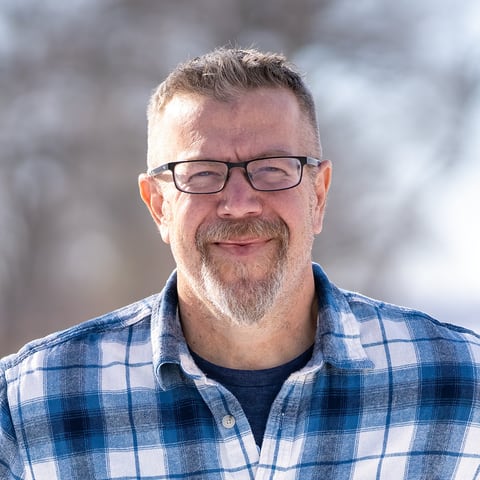
Erik Osberg
D Democratic-Farmer-Labor nominee for U.S. House, MN-07
Has not served in Congress
- On the ballot
- Lost the general electionNov 3, 2026 · 132,984 votes (45.0%) · 2 of 2
- Where to vote
- Find your polling place (opens in a new tab) · More ways to vote
- Top priorities
- Home
- Priorities
- Agriculture & the Farm Bill
- The Constitution belongs to all of us.
- Article I, Section 8: Powers of Congress
- Money
- $577.2K raised, $450.5K spent, $126.7K cash on hand (through Oct 14, 2026). Where it comes from
- Who gives
- 39% of individual money from donors at $200 or less · 93% from Minnesota · largest committee giver MINNESOTA DEMOCRATIC-FARMER-LABOR PARTY, $5K
- Backed by
- DFL Rural Caucus · Minnesota DFL Senior Caucus · AFL-CIO Minnesota and 7 more. As the campaign lists them
24 priorities from erikosberg4congress.com, in the order they are listed there. Every heading and the text under it is copied exactly, as one passage for each page it is from, and links to that place on the page; hover a source to see which passage it opens.
Defend our constitutional rights, protect fair elections, and stand up for the institutions that keep power in the hands of the people.
source ↗ (opens the page at this passage) · erikosberg4congress.com
Heading as listed on erikosberg4congress.com ↗ (opens erikosberg4congress.com at this heading)
We believe in a constitutional amendment ending Citizens United.
We believe in banning individual stock trading for congress.
We want dark money out of politics.
source ↗ (opens the page at this passage) · erikosberg4congress.com
Heading as listed on erikosberg4congress.com ↗ (opens erikosberg4congress.com at this heading)
Make healthcare more affordable and accessible, especially for rural families, seniors, and communities that rely on local clinics and hospitals.
source ↗ (opens the page at this passage) · erikosberg4congress.com
Heading as listed on erikosberg4congress.com ↗ (opens erikosberg4congress.com at this heading)
Protect & expand strong federal support for public schools, students, teachers, and the future of our communities.
source ↗ (opens the page at this passage) · erikosberg4congress.com
Heading as listed on erikosberg4congress.com ↗ (opens erikosberg4congress.com at this heading)
Support farms, small businesses, local innovation, and rural economies.
We need federal support for local solutions to local problems like housing, childcare & public safety.
source ↗ (opens the page at this passage) · erikosberg4congress.com
Heading as listed on erikosberg4congress.com ↗ (opens erikosberg4congress.com at this heading)
Heading as listed on erikosberg4congress.com ↗ (opens erikosberg4congress.com at this heading)
The Constitution is more than a talking point. It is the foundation for how our government is supposed to work.
Erik will defend the freedoms guaranteed by the Constitution, protect fair elections, and make sure those in power answer to the people — not party insiders, special interests, or their own ambitions.
Western Minnesota needs a representative who respects the rule of law, tells the truth, and remembers who he works for.
source ↗ (opens the page at this passage) · erikosberg4congress.com/priorities
Erik believes the people of Western Minnesota — not corporate donors, not outside PACs — should be the ones driving decisions in Washington. That is why this campaign has pledged to end the influence of Citizens United, refuses to accept corporate PAC money, and is proud that 100% of our fundraising has come from individual donors just like you.
Your voice should count more than any corporation’s. Erik is committed to making sure it does.
source ↗ (opens the page at this passage) · erikosberg4congress.com/priorities
Healthcare in Western Minnesota is measured in miles, bills, and waiting rooms.
It is the drive to the nearest clinic. The cost of the prescription waiting at the pharmacy. The appointment a parent is trying to get before something small becomes something serious.
Erik believes healthcare should be more affordable, more accessible, and more responsive to the needs of rural communities. That means protecting rural hospitals and clinics, lowering prescription drug costs, supporting seniors and families, and making sure people can get care close to home.
source ↗ (opens the page at this passage) · erikosberg4congress.com/priorities
Strong public schools help build strong communities.
Erik believes every child should have access to a quality education, no matter their ZIP code. That means supporting students, teachers, school staff, and the public schools that serve as anchors in communities across Western Minnesota.
Public education should prepare students for college, careers, trades, service, and the real opportunities available in their own communities.
source ↗ (opens the page at this passage) · erikosberg4congress.com/priorities
Family farms are the backbone of Western Minnesota. But too many farmers are being squeezed by rising costs, uncertainty, tariffs, consolidation, and systems that make it harder for small and mid-sized farms to compete.
Erik will fight for policies that support farmers, reduce unnecessary burdens, protect rural economies, and recognize the innovation already happening across the district — from small farms and local food systems to new technologies, direct sales, and rural entrepreneurship.
Support for farmers should be practical, accountable, and built around the people doing the work.
source ↗ (opens the page at this passage) · erikosberg4congress.com/priorities
Washington is a mess. Too many politicians are focused on attention, outrage, and partisan games instead of solving problems.
Erik believes Congress should work for the people — lowering costs, supporting communities, protecting rights, and making life better for the families, farmers, workers, seniors, students, and small businesses who keep this country going.
We can do better. And that starts with leadership that listens.
source ↗ (opens the page at this passage) · erikosberg4congress.com/priorities
Agriculture is woven into the very fabric of our communities.
Our district is built on farms, cooperatives, grain elevators, equipment dealers, rural banks, small businesses, and towns that depend on a healthy farm economy. When agriculture is strong, rural communities are stronger. When farmers are squeezed, the effects are felt far beyond the field.
Farming isn’t accessible to everyone. Erik gained his understanding of agriculture working for Farm Bureau Financial Services and as a Vice President of a rural bank. Erik spent a decade of his life helping farmers invest in their future and protect their legacy. He pledges to treat their business like a business, while incentivizing good stewardship.
For too long, the people doing this work have been operating under outdated federal farm policy, rising costs, market uncertainty, and a Congress that has been too slow to pass a full, updated Farm Bill.
Recent actions at the federal level have led to chaos and uncertainty – interrupting markets that farmers spent millions of dollars developing. Our farmers need stable, predictable, dare we say boring policy. Legislation written and passed by a Representative who champions agricultural development in their district and listens.
There are numerous opportunities in agriculture right now- sustainable aviation fuel, locally produced fertilizer, and value added products have huge potential for development in our district. We need a representative with a pulse on agriculture so we can recruit those businesses here. The House has passed its version. The Senate has released a draft. But the final Farm Bill is not done.
That matters.
The differences between the House and Senate versions, on nutrition, farmer assistance, pesticide policy, conservation, rural development, and the real costs facing family farms, are exactly the kinds of decisions Western Minnesota should be helping shape.
Erik is running because we can do better.
He will seek a seat on the House Agriculture Committee on day one and fight for a Farm Bill that reflects the real conditions facing farmers, ranchers, and rural communities across Western Minnesota.
source ↗ (opens the page at this passage) · erikosberg4congress.com/priorities/agriculture-the-farm-bill
When a handful of companies control too much of the market, farmers lose options.
That is true in meat processing. It is true in seed. It is true in fertilizer. It is true across too much of the agricultural supply chain.
Consolidation can leave farmers with less bargaining power, fewer buyers, higher costs, and less competition.
Erik supports stronger antitrust enforcement in agricultural markets and will oppose further consolidation that disadvantages family farmers and rural communities.
Competition matters. Fair markets matter. Farmers should not be trapped in systems where they have less and less control over the price they pay and the price they receive.
source ↗ (opens the page at this passage) · erikosberg4congress.com/priorities/agriculture-the-farm-bill
Western Minnesota agriculture depends on stable markets.
Corn, soybeans, wheat, beef, pork, dairy, and other products are tied to national and global trade. When tariff disputes or retaliatory measures hit, farmers often pay the price.
Erik believes trade policy affecting agriculture should be shaped with input from farmers and rural communities.
Farmers should not be left absorbing the cost of political decisions they had no voice in making.
Congress has a responsibility to debate and oversee trade and tariff policy. Erik will push for agricultural trade policy that is stable, transparent, and built around the people whose livelihoods are on the line.
source ↗ (opens the page at this passage) · erikosberg4congress.com/priorities/agriculture-the-farm-bill
A farmer who owns a piece of equipment should be able to fix it. That used to go without saying.
As modern farm machinery has become increasingly software-dependent, manufacturers have used those systems to restrict farmers and independent mechanics from making repairs that once required nothing more than the right tools and some know-how. A breakdown during planting or harvest no longer means a call to a neighbor or a trip to a local shop. It can mean days of waiting for an authorized technician (at premium cost) during the weeks that matter most to a farm’s bottom line.
These repair restrictions are a real and growing cost burden on independent family farms that are already operating on thin margins. Erik believes that if you bought the equipment, you should have the right to repair it using the tools, parts, and diagnostic information needed to do the job. Federal legislation to establish that right permanently is the direction policy should move, and Erik will support efforts to make it the law of the land.
source ↗ (opens the page at this passage) · erikosberg4congress.com/priorities/agriculture-the-farm-bill
Farmers have always been stewards of the land they depend on.
Farm Bill conservation programs can help farmers protect soil, water, wildlife habitat, and long-term productivity and their own health. These programs are not just environmental policy. They’re farm policy.
Erik supports strong funding for voluntary conservation programs that are practical, accessible, and designed to work for farms of different sizes.
Sustainable agriculture and productive agriculture are not opposites. The goal should be to support farmers with tools, incentives, and resources, not one-size-fits-all rules that are harder for small and mid-sized farms to absorb.
source ↗ (opens the page at this passage) · erikosberg4congress.com/priorities/agriculture-the-farm-bill
Farm policy is community policy. Off-farm jobs are how we start our operations. Not enough grant money in the world can replace a good full-time job.
When farms struggle, local businesses feel it. So do schools, hospitals, equipment dealers, rural banks, co-ops, Main Street businesses, and the families who keep small towns going. This is especially important as we begin to see the trickle-down effects of the H.R.1, the 2025 Budget Reconciliation Act aka the Big Billionaire Bailout — counties are going to become more reliant on property taxes for their budgets.
Supporting agriculture is not just about commodity prices or crop insurance. It is about protecting the communities that agriculture sustains.
Erik believes federal farm policy should be measured not only by what it does for farm income, but by whether it helps rural communities survive, adapt, and thrive.
source ↗ (opens the page at this passage) · erikosberg4congress.com/priorities/agriculture-the-farm-bill
The Constitution defines how power is supposed to work in America and guarantees the rights and freedoms of every citizen.
It is not a partisan document. It belongs to all of us.
One of the reasons Erik decided to run for Congress is his growing concern that constitutional norms are being weakened — not just in theory, but in practice. Across Western Minnesota, voters have raised the same concern. They feel that power has become too concentrated, that Congress has given up too much of its authority, and that too many people in Washington are willing to ignore the rules when the rules get in their way.
That is not how the Constitution was written to work.
Article I establishes Congress as the first branch of government. That was not an accident. The founders put Congress first because the people’s representatives — not a president, not a bureaucracy, and not party insiders — are supposed to make laws, control spending, conduct oversight, and check the other branches.
Restoring that balance is not a Democratic idea or a Republican idea.
It is an American one.
source ↗ (opens the page at this passage) · erikosberg4congress.com/priorities/defend-the-constitution
Heading as listed on erikosberg4congress.com/priorities/defend-the-constitution ↗ (opens erikosberg4congress.com/priorities/defend-the-constitution at this heading) · “Defend The Constitution” on erikosberg4congress.com/priorities/defend-the-constitution ↗ (opens erikosberg4congress.com/priorities/defend-the-constitution at this heading)
The Constitution gives Congress — not the president alone — the power to tax, spend, regulate commerce, and make laws.
That matters for Western Minnesota.
Trade policy affects farmers. Spending decisions affect schools, hospitals, roads, seniors, veterans, and working families. Oversight determines whether agencies and administrations are held accountable when they overreach or fail to do their jobs.
In recent years, Congress has allowed too much power to drift toward the executive branch across multiple administrations. Erik believes Congress must reclaim its constitutional role.
Tariffs, spending, and major policy decisions should go through the people’s representatives — not be decided unilaterally without meaningful oversight.
source ↗ (opens the page at this passage) · erikosberg4congress.com/priorities/defend-the-constitution
Heading as listed on erikosberg4congress.com/priorities/defend-the-constitution ↗ (opens erikosberg4congress.com/priorities/defend-the-constitution at this heading) · “Congressional Authority & Checks and Balances” on erikosberg4congress.com/priorities/defend-the-constitution ↗ (opens erikosberg4congress.com/priorities/defend-the-constitution at this heading)
Article I, Section 2: Apportionment ↗ (opens erikosberg4congress.com/priorities/defend-the-constitution at this heading)
The Constitution requires a census and fair apportionment of congressional representation.
That may sound technical, but it has real consequences. Apportionment determines how communities are represented in Congress and how political power is distributed.
Any manipulation of this process weakens the voice of real communities.
Western Minnesota should have fair representation and a real voice in the decisions that affect its future.
source ↗ (opens the page at this passage) · erikosberg4congress.com/priorities/defend-the-constitution
Twenty-Second Amendment: Presidential Term Limits ↗ (opens erikosberg4congress.com/priorities/defend-the-constitution at this heading)
The two-term limit on the presidency exists for a reason.
No one person should hold executive power indefinitely. Erik believes the Twenty-Second Amendment must be respected and defended. Full stop.
The peaceful transfer of power and the limits placed on every officeholder are part of what keep this country free.
source ↗ (opens the page at this passage) · erikosberg4congress.com/priorities/defend-the-constitution
First Amendment: Speech, Press, Religion, Assembly & Petition ↗ (opens erikosberg4congress.com/priorities/defend-the-constitution at this heading)
The First Amendment protects the freedoms that make self-government possible.
The right to speak. The right to worship freely. The right to a free press. The right to assemble peacefully. The right to petition the government.
These rights are not optional. A free press helps hold the powerful accountable. Peaceful protest lets people make their voices heard. Religious liberty protects every person’s right to practice their faith without government interference.
Erik will defend these freedoms no matter who is in power.
source ↗ (opens the page at this passage) · erikosberg4congress.com/priorities/defend-the-constitution
Fourth Amendment: Protection from Unreasonable Search and Seizure ↗ (opens erikosberg4congress.com/priorities/defend-the-constitution at this heading)
The Fourth Amendment protects people from unreasonable government searches and seizures.
That principle matters even more as technology changes. Government surveillance, data collection, and new enforcement tools have raised serious questions about the line between security and privacy.
Erik believes Americans should not have to choose between safety and their constitutional right to be free from unreasonable government intrusion.
source ↗ (opens the page at this passage) · erikosberg4congress.com/priorities/defend-the-constitution
Fifth Amendment: Due Process ↗ (opens erikosberg4congress.com/priorities/defend-the-constitution at this heading)
The Fifth Amendment says no person shall be deprived of life, liberty, or property without due process of law.
That protection is not just a legal phrase. It is a basic promise: the government cannot take away your freedom, your property, or your rights without a fair legal process.
Erik believes due process must apply consistently and fairly. No administration, agency, or official should be able to bypass the law because it is inconvenient.
source ↗ (opens the page at this passage) · erikosberg4congress.com/priorities/defend-the-constitution
Fourteenth Amendment, Section 1: Citizenship, Due Process & Equal Protection ↗ (opens erikosberg4congress.com/priorities/defend-the-constitution at this heading)
The Fourteenth Amendment guarantees citizenship, due process, and equal protection under the law.
These protections are the legal backbone of civil rights in America.
Erik will stand against efforts to undermine birthright citizenship, weaken equal protection, or create a two-tiered system where some people receive fewer rights under the law than others.
The Constitution’s protections should mean what they say.
source ↗ (opens the page at this passage) · erikosberg4congress.com/priorities/defend-the-constitution
Fifteenth Amendment: Right to Vote Regardless of Race ↗ (opens erikosberg4congress.com/priorities/defend-the-constitution at this heading)
The Fifteenth Amendment says the right to vote cannot be denied or abridged because of race, color, or previous condition of servitude.
That guarantee still matters.
Erik will oppose voter suppression tactics that make it harder for eligible citizens to cast a ballot and have that ballot counted.
Every eligible voter should have a fair, equal, and straightforward path to participate in our elections.
source ↗ (opens the page at this passage) · erikosberg4congress.com/priorities/defend-the-constitution
Nineteenth Amendment: Women’s Right to Vote ↗ (opens erikosberg4congress.com/priorities/defend-the-constitution at this heading)
The Nineteenth Amendment protects the right to vote regardless of sex.
Erik believes election laws should protect access for every eligible voter, including voters whose names or documents may have changed because of marriage, divorce, adoption, or other life circumstances.
No eligible voter should be pushed out of the process by unnecessary barriers or confusing requirements.
source ↗ (opens the page at this passage) · erikosberg4congress.com/priorities/defend-the-constitution
If you are old enough to serve in the military, you are old enough to vote.
The Twenty-Sixth Amendment protects the right of citizens 18 and older to vote. Erik believes young voters should be encouraged to participate, not discouraged by barriers that make voting harder.
Our democracy is stronger when more eligible citizens take part.
source ↗ (opens the page at this passage) · erikosberg4congress.com/priorities/defend-the-constitution
Heading as listed on erikosberg4congress.com/priorities/defend-the-constitution ↗ (opens erikosberg4congress.com/priorities/defend-the-constitution at this heading) · “Young Voters” on erikosberg4congress.com/priorities/defend-the-constitution ↗ (opens erikosberg4congress.com/priorities/defend-the-constitution at this heading)
The people of Western Minnesota understand stewardship because we live it.
We fish the lakes, hunt the woods, farm the soil, drink from the aquifers, and raise our families in communities shaped by the land around us. Caring for that land is not an abstract political idea. It is a practical, generational responsibility.
Erik believes we should protect clean air, clean water, public lands, family farms, and the natural places that make Minnesota worth passing on.
That means taking climate change seriously, investing in clean energy, keeping public lands public, protecting the Boundary Waters, and supporting farmers as partners in long-term stewardship.
We can do better by thinking beyond the next election and making choices that protect the next generation.
source ↗ (opens the page at this passage) · erikosberg4congress.com/priorities/environmental-stewardship
Clean air and clean water should not be political issues.
They are public health issues. They are farm issues. They are family issues. They are part of whether communities can stay healthy and strong.
Erik believes the federal government has a responsibility to enforce basic environmental protections that keep pollution out of our air, water, and soil.
That includes protecting the ability of agencies like the EPA to use science, enforce the law, and hold polluters accountable.
When environmental protections are weakened, the cost does not disappear. It gets passed on to families, farmers, workers, and communities that live downstream and downwind.
source ↗ (opens the page at this passage) · erikosberg4congress.com/priorities/environmental-stewardship
Public lands belong to the public.
They are places where families hunt, fish, hike, camp, and build traditions that last for generations. They also protect wildlife habitat, clean water, wetlands, forests, and open space.
Erik believes public lands should remain public, responsibly managed, and available for people to use and enjoy.
They should not be sold off, carved up, or handed over to private interests for short-term gain.
Once public land is lost, it is hard to get back.
source ↗ (opens the page at this passage) · erikosberg4congress.com/priorities/environmental-stewardship
There are very few pristine places left on this planet. The Boundary Waters Canoe Area Wilderness is one of them. The BWCAW is one of Minnesota’s great treasures. It is one of our nation’s natural wonders.
It is part of who we are as a state: clean water, quiet lakes, deep woods, and a wilderness experience that cannot be replaced.
Erik will fight to protect the Boundary Waters Canoe Area Wilderness from pollution, risky mining, and any policy that trades long-term ecological and economic value for short-term profit.
Some places are too important to gamble with.
The Boundary Waters are one of them.
source ↗ (opens the page at this passage) · erikosberg4congress.com/priorities/environmental-stewardship
Clean energy is not just about the environment. It is about jobs, energy costs, energy independence, and rural opportunity.
Western Minnesota already has strong wind resources and growing solar potential. With the right investment, clean energy can create good local jobs, support farmers and landowners, lower long-term energy costs, and strengthen rural economies.
Erik supports investing in wind, solar, transmission, storage, and other clean-energy infrastructure that makes sense for our communities.
We should be building the energy economy of the future here in Minnesota — not falling behind while other states and countries move ahead.
source ↗ (opens the page at this passage) · erikosberg4congress.com/priorities/environmental-stewardship
Farmers and environmental advocates should not be treated as enemies.
Good farmers have always understood stewardship. They know the value of healthy soil, clean water, responsible land management, and thinking beyond one season.
Erik believes federal policy should support farmers who use conservation practices like cover crops, buffer strips, reduced tillage, responsible water use, and soil-health improvements.
The goal should be practical support, not finger-pointing.
Farmers should have access to tools, incentives, and resources that help protect the land while keeping farms productive for the next generation.
source ↗ (opens the page at this passage) · erikosberg4congress.com/priorities/environmental-stewardship
Erik supports environmental standards that protect land, water, and public health.
He also understands that not every farm or business has the same size, impact, or ability to absorb compliance costs.
A small family farm should not be treated the same as a large industrial operation with a major environmental footprint.
Erik supports scalable, sensible regulation — standards that are proportional to the size and impact of the operation, with meaningful enforcement for large polluters and practical support for smaller operations trying to do the right thing.
That is how we protect the environment without pushing small farms and small businesses over the edge.
source ↗ (opens the page at this passage) · erikosberg4congress.com/priorities/environmental-stewardship
The land, water, and natural places of Western Minnesota are part of who we are.
They support our farms, our outdoor traditions, our local economies, and the health of our families.
Erik believes we have a responsibility to protect what we inherited and pass it on stronger than we found it.
That means making decisions with the next generation in mind — not just the next quarter, the next headline, or the next campaign contribution.
source ↗ (opens the page at this passage) · erikosberg4congress.com/priorities/environmental-stewardship
The Golden Rule is not complicated: treat people the way you want to be treated.
That does not change based on who someone loves, how they identify, what their family looks like, or where they were born.
Erik believes every person in Western Minnesota should be treated with dignity, respect, and equal protection under the law.
That is not about political fashion. It is about equal protection under the law.
LGBTQ+ Minnesotans are part of every community in this district. They are neighbors, farmers, veterans, teachers, small business owners, parents, students, coworkers, and friends. They help make our communities what they are.
Erik will represent every person in this district — not just the people who vote the right way, worship the right way, or live the way someone else thinks they should.
Equal rights means equal rights.
Race, Religion, Creed, and Country of Origin are all protected differences under the Constitution. The “othering” used by career politicians needs to stop. The forces of division & greed need to be stopped. Erik pledges to fight for individual liberties of all those he seeks to serve.
Erik believes the reports of racism’s demise have been greatly exaggerated. Federal agents have been targeting Americans based on the color of their skin. The way many talk about certain groups of people is downright cruel. Genuine hatred is all around us, and that leads to suffering. Erik doesn’t believe the GPS coordinates of your mother at the time of your birth should determine your value as a human being.
No exceptions.
source ↗ (opens the page at this passage) · erikosberg4congress.com/priorities/equal-rights-no-exceptions
Taxpayer dollars should be protected.
You have every right to be angry about fraud in government. Erik is angry about it too.
Taxpayer dollars — money taken from your paycheck, your farm income, your small business, and your community — should be used responsibly. When that money is stolen, misspent, or wasted, it hurts everyone. It drains resources from the people and programs those dollars were meant to serve, and it undermines trust in government itself.
Here is our 5 point plan to address fraud.
- Admit it is a problem.
- Acknowledge it happens on both sides of the aisle.
- Establish bi-partisan internal controls.
- Use a scalpel not a chainsaw.
- Prosecute without prejudice.
Erik believes fraud and waste demand serious action. But we have to fight fraud the right way.
Cutting legitimate services, firing the investigators who catch criminals, weakening oversight, or using fraud as a partisan talking point does not solve the problem. It can make the problem worse.
Real accountability takes honest accounting, independent oversight, better tools, and consequences for anyone who steals from taxpayers. No excuses. No political favorites. No two-tiered system.
We can do better.
source ↗ (opens the page at this passage) · erikosberg4congress.com/priorities/fighting-fraud-waste-in-government
Erik grew up in Upsala, Minnesota. He’s a hunter, a responsible gun owner, and a firm believer in the Second Amendment.
That matters.
For Erik, gun ownership is not a political talking point. It is part of life in rural Minnesota, tied to responsibility, safety, and family traditions passed down through generations.
So let’s be clear from the start: Erik is not running to take guns away from responsible, law-abiding gun owners.
However, he believes we cannot ignore the reality of gun violence in this country.
Too many Americans are dying from gun-related injuries. Too many families are losing loved ones to suicide, domestic violence, accidental shootings, and acts of violence that should never happen. Too many kids are growing up practicing active shooter drills in schools.
Erik grew up practicing tornado drills.
That much change in one generation should make all of us stop and think.
We can hold two things at once: a serious belief in the constitutional right to keep and bear arms, and a serious commitment to reducing gun deaths.
Those are not opposites.
They never were.
source ↗ (opens the page at this passage) · erikosberg4congress.com/priorities/firearms-gun-safety
Heading as listed on erikosberg4congress.com/priorities/firearms-gun-safety ↗ (opens erikosberg4congress.com/priorities/firearms-gun-safety at this heading) · “Firearms & Gun Safety” on erikosberg4congress.com/priorities/firearms-gun-safety ↗ (opens erikosberg4congress.com/priorities/firearms-gun-safety at this heading)
“A well regulated Militia, being necessary to the security of a free State, the right of the people to keep and bear Arms, shall not be infringed.”
Erik believes in that right.
He owns firearms. He hunts. He understands what guns mean to families across Western Minnesota — for recreation, food, protection, and a way of life passed down through generations.
Erik also believes the words “well regulated” appear in the amendment for a reason. The founders understood that rights exist within a framework of law and civic responsibility. Acknowledging that is not a threat to gun ownership. It is an honest reading of the text.
Responsible gun owners already understand this. They secure their firearms. They teach safety. They respect what guns can do. They know owning a firearm is not casual.
Erik will defend the rights of responsible, law-abiding gun owners and oppose efforts that treat them like the problem.
Erik believes in that right. He owns firearms. He hunts. He understands what guns mean to families across Western Minnesota — for recreation, for food, for protection, and as part of a way of life that has been passed down through generations. That is not a political position for him. It is personal.
source ↗ (opens the page at this passage) · erikosberg4congress.com/priorities/firearms-gun-safety
Heading as listed on erikosberg4congress.com/priorities/firearms-gun-safety ↗ (opens erikosberg4congress.com/priorities/firearms-gun-safety at this heading) · “Respect the Second Amendment” on erikosberg4congress.com/priorities/firearms-gun-safety ↗ (opens erikosberg4congress.com/priorities/firearms-gun-safety at this heading)