Loading this candidate’s profile from the FEC filings and campaign records.
Where They Stand is a nonpartisan guide to everyone running for Congress: their money, their own words and how incumbents voted. Find your ballot →
Candidates › PA-06 race › 2025–2026
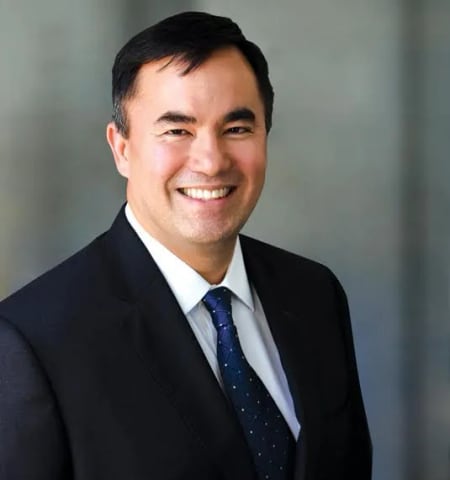
Martin Young
RepublicanU.S. House, PA-06Pennsylvania
Has not served in Congress
- On the ballot
- Unconfirmed: a ballot entry matches this filing by surname only. See ballot.
- Where to vote
- Find your polling place (opens in a new tab) · More ways to vote
- Top priorities
- Make Family Life Affordable
- Lower Costs for Families and Small Businesses
- We need to restructure personal debts that can never be repaid
- Saves Adults and Families $5000+ annually
- Outright Home Ownership in 15 Years = Permanent Affordability
- Money
- $459.2K raised, $357.6K spent, $101.6K cash on hand (through Oct 14, 2026). Where it comes from
- Who gives
- 4.6% of individual money from donors at $200 or less · 46% from Pennsylvania · largest committee giver KEYSTONE FEDERAL PAC, $1K
- Backed by
- Republican Committee of Chester County. As the campaign lists them
6 priorities from voteyoung.com, in the order they are listed there. Every heading and the text under it is copied exactly, as one passage for each page it is from, and links to that place on the page; hover a source to see which passage it opens.
Fix Healthcare ↗ (opens voteyoung.com/healthcare at this heading)
Healthcare is not working the way it should, and families are paying the price.
In Chester and Berks counties, parents are delaying care, skipping doctor visits, or taking on debt because premiums and out-of-pocket costs are too high. Expectant mothers worry about prenatal care expenses, and children miss preventive care that could avoid bigger problems later. The system rewards complexity and middlemen while families face rising costs and uncertainty.
I believe we can fix this by focusing on prevention, access, and accountability instead of adding layers of bureaucracy. That is why I support guaranteeing healthcare coverage for children, young adults, and expectant mothers in a way that reduces costs for families and employers and improves long-term outcomes.
As a chaplain, I have worked with families facing medical crises, mental health challenges, and situations where help came too late. Early care matters. It saves lives and reduces long-term costs.
My focus in Congress will be:
- Provide universal coverage for children and young adults up to age 23, including preventive care, mental health services, routine checkups, and vaccinations. Children should not miss care because of cost. Catching issues early keeps kids healthier, supports families, and lowers long-term healthcare spending.
- Ensure comprehensive care for expectant mothers, including prenatal care, delivery, postpartum services, and pediatric care through a child’s first year. Supporting mothers and infants early prevents complications and reduces expensive interventions later.
- Reduce waste and abuse in the healthcare system by targeting fraud, cutting unnecessary administrative overhead, and limiting middlemen practices that drive up costs without improving care. Savings should go to patients and providers, not bureaucracy.
- Encourage innovation and competition that lowers costs and expands access, including telehealth, community-based clinics, and preventive care programs. Patients should have more options and clearer pricing, while existing coverage like employer plans and Medicare are protected.
I have spent my career fixing systems that were not working and making decisions where results mattered. Healthcare should work for families, not against them. I will focus on practical reforms that lower costs, improve access, and make the system work better for the people who depend on it.
source ↗ (opens the page at this passage) · voteyoung.com/healthcare
Heading as listed on voteyoung.com/priorities ↗ (opens voteyoung.com/priorities at this heading)
Law and Order and Public Safety ↗ (opens voteyoung.com/law-and-order at this heading)
I know the men and women who serve as police officers, firefighters, EMTs, and first responders put themselves on the line every day to keep our communities safe, and they deserve clear support from the leaders they elect. As a father raising my family in Chester and Berks counties, I understand how much families rely on a public safety system that is professional, responsive, and trusted.
Throughout my career, I have worked alongside first responders and community leaders who see firsthand what works and what does not. I believe law enforcement must be properly funded, well-trained, and equipped with the tools they need to prevent violent crime, respond quickly in emergencies, and protect the people they serve. Communities are safer when officers are supported and allowed to do their jobs.
I have been clear that policies which weaken law enforcement or pull resources away from public safety put communities at risk. I will not support efforts to defund the police or limit officers’ ability to keep neighborhoods safe. Violent repeat offenders must be held accountable, and families should not be left dealing with the consequences of failed policies.
As a chaplain, I have seen the human cost when systems fail, and help comes too late. I also recognize the toll fentanyl has taken on families across our district, including in Reading. Addressing public safety means confronting this crisis directly through strong enforcement against traffickers and expanded access to treatment and recovery so people can get help before lives are lost.
Public safety works best when leaders listen. If elected, I will maintain open lines of communication with law enforcement, first responders, and local community leaders so decisions are grounded in real experience and focused on keeping families safe.
source ↗ (opens the page at this passage) · voteyoung.com/law-and-order
Heading as listed on voteyoung.com/priorities ↗ (opens voteyoung.com/priorities at this heading)
American Energy That Lowers Costs and Strengthens the Country ↗ (opens voteyoung.com/energy at this heading)
Families in Chester County and Berks are paying more for electricity, heating, and everyday goods because energy costs are higher than they should be. Those costs ripple through everything, from household budgets to the price of food and housing.
Pennsylvania has the resources and workforce to produce affordable, reliable energy right here at home. We sit on the Marcellus Shale, one of the most productive natural gas formations in the world, and we should be using that advantage to lower costs, support good jobs, and keep our energy supply dependable.
I support an all-of-the-above energy approach focused on reliability and affordability. That means using proven sources like natural gas and nuclear alongside responsible renewables, rather than forcing shutdowns that drive up prices and make the grid less reliable. Energy policy should be guided by what works, not by mandates that ignore real-world consequences.
Responsible natural gas development has created thousands of good-paying jobs in Pennsylvania and helped keep energy affordable. I support strong environmental standards and the infrastructure needed to move energy efficiently to market, including pipelines and storage, so families and businesses are not hit with unnecessary price spikes.
Innovation matters, but it must be practical. Advancing technologies like next-generation nuclear, carbon capture, and improved renewables should strengthen our energy system, not replace reliable sources before alternatives are ready. The goal is steady power, lower costs, and long-term stability.
Affordable American energy helps families manage their budgets, keeps manufacturers competitive, and strengthens our national security. We can produce energy responsibly, lower costs, and create jobs at the same time.
I will focus on energy policies that use Pennsylvania’s strengths, support workers, and deliver reliable, affordable energy for families across the district.
source ↗ (opens the page at this passage) · voteyoung.com/energy
Heading as listed on voteyoung.com/priorities ↗ (opens voteyoung.com/priorities at this heading)
Strengthen National Security and Support Our Military ↗ (opens voteyoung.com/military at this heading)
Families in Chester and Berks Counties deserve a strong America that deters enemies, secures our borders, and honors those who serve. Weak leadership in Washington has emboldened adversaries like China, allowed fentanyl to flood our communities, and left our military under-resourced while wasting billions on failed policies abroad. Pennsylvania has a proud tradition of service, and we cannot afford to let down our guard.
As a West Point graduate, former Infantry Officer, current Lieutenant Colonel in the Army National Guard, and Army Chaplain who has led soldiers through real crises and supported families in times of loss, I have seen the human cost of weak defense policies. I know what it takes to build resilient teams, confront threats, and deliver results under pressure. In Congress, I will apply that same discipline to protect our district, our state, and future generations.
I will confront adversaries like China and rebuild our military strength to deter aggression and protect American interests. China’s economic espionage, military buildup, and role in the fentanyl supply chain are direct threats to our jobs, innovation, and lives. I will support defense budgets focused on modernization, cyber defense, and a strong industrial base, while ending wasteful spending and ensuring our troops have the tools they need.
I will support our veterans and active-duty service members with quality care, job opportunities, and the respect they have earned. As a veteran and chaplain, I have witnessed the sacrifices firsthand. I will fight for better VA healthcare, stronger mental health resources, seamless transitions to civilian jobs, and protections for military families. I support TRICARE Reserve Select with zero premiums for all drilling Reservists and National Guard members and their families.
I will promote energy independence as a national security priority. Depending on hostile nations for oil and resources weakens the country and exposes families to higher costs. Using Pennsylvania’s natural gas, nuclear, and innovative energy resources strengthens the economy, supports jobs, and improves security.
I am a fourth-generation Pennsylvanian with deep roots in this community. Unlike career politicians who have overseen weakness abroad and instability at home, I will bring disciplined leadership and practical solutions to Congress, focused on America’s security and support for those who serve.
source ↗ (opens the page at this passage) · voteyoung.com/military
Heading as listed on voteyoung.com/priorities ↗ (opens voteyoung.com/priorities at this heading)
Heading as listed on voteyoung.com/priorities ↗ (opens voteyoung.com/priorities at this heading)
Families in Chester and Berks Counties are working hard, yet the cost of living continues to rise faster than paychecks. Healthcare premiums are higher. Grocery bills are up. Energy costs are less predictable. Housing is increasingly out of reach for young families and seniors alike.
These pressures are not accidental. They are the result of sustained federal overspending, regulatory expansion, and policy choices that have increased costs across the economy. When Washington spends money it doesn’t have and adds layers of regulation, families and small businesses pay the price through inflation, higher bills, and reduced opportunity.
Lowering costs requires restoring fiscal discipline, aligning policy with how people actually live and work, and removing barriers that drive prices higher.
Controlling Federal Spending to Reduce Inflation ↗ (opens voteyoung.com/affordable at this heading)
Inflation is driven in large part by excessive federal borrowing and spending. Trillions of dollars have been added to the national debt through programs that lack transparency, accountability, or a clear benefit to American families.
In Congress, I will work to cut wasteful deficit spending that fuels inflation, including unnecessary foreign aid and funding streams to unaccountable non-government organizations. Taxpayer dollars should be focused on priorities that directly benefit Pennsylvanians: border security, infrastructure, public safety, veterans, and relief for families facing rising costs.
Fiscal responsibility is essential to stabilizing prices, protecting savings, and restoring confidence in government.
Keeping Taxes Low for Working Families and Small Businesses ↗ (opens voteyoung.com/affordable at this heading)
Tax policy should reward work and productivity, not punish people for how they earn a living.
I support eliminating federal taxes on tips so service workers can keep more of what they earn. Social Security benefits should not be taxed away from seniors who rely on them. Families in high-tax areas like Chester County deserve protection from the double burden of state and federal taxes, including maintaining meaningful SALT relief.
Small businesses, independent contractors, gig workers, and working professionals are critical to our local economy. Expanding tax deductions that reflect real business costs allows them to hire, invest, and grow — creating jobs and strengthening communities without increasing government spending.
Strengthening Retirement Security Through Personal Saving ↗ (opens voteyoung.com/affordable at this heading)
Long-term financial stability depends on the ability of families to save and plan for the future.
I support expanding and protecting tax-advantaged retirement accounts such as 401(k)s and IRAs. That includes safeguarding these accounts from new taxes, allowing greater contribution flexibility, and encouraging employer participation through matching incentives.
Retirement security should be built through personal responsibility and opportunity, not additional government programs that increase costs and limit choice.
Lowering Energy Costs by Removing Regulatory Barriers ↗ (opens voteyoung.com/affordable at this heading)
Energy prices affect nearly every household expense and business decision. Pennsylvania has the resources to be a leading energy-producing state, but outdated regulations and permitting delays have slowed investment and driven costs higher.
I will work to reduce federal red tape that blocks private investment and delays new power generation. This includes advanced nuclear energy for reliable baseload power, responsible natural gas development in the Marcellus Shale, renewables that strengthen the grid, and next-generation coal technologies where appropriate.
Expanding domestic energy production lowers utility bills, supports family-sustaining jobs, strengthens American competitiveness, and provides long-term price stability for households and manufacturers across PA-6.
source ↗ (opens the page at this passage) · voteyoung.com/affordable
Heading as listed on voteyoung.com/affordable ↗ (opens voteyoung.com/affordable at this heading)
America has over
$100 trillion in combined personal, household, small business, corporate, and government debt and liabilities that cannot possibly be repaid in full. We already have the right tools to restructure corporate and municipal debts, but Congress must provide the right tool for ordinary Americans as well.
With nearly
43 million Americans owing roughly
$1.9 trillion in student debt alone — plus
$1.25 trillion in total credit card debt and over
$220 billion in medical debt affecting tens of millions of families — this crisis is already severe. Projections show
8 to 13 million student loan borrowers could soon be in default, while credit card delinquencies have reached levels not seen in over 15 years. We must address the crushing burden of student loans, credit card debt, and medical debt that is holding back an entire generation from starting families, buying homes, and building wealth.
And with AI-driven job displacement accelerating, millions of workers — including many with expensive degrees in fields that AI is rapidly automating or devaluing — will face even greater challenges repaying their student loans and other personal debts.
In 2005, Congress made a major mistake by making it nearly impossible to discharge private student loans, credit card debt, and many medical debts in bankruptcy. My plan rolls back those changes and restores the pre-2005 bankruptcy protections, giving Americans a true fresh start when debt becomes unmanageable.
This targeted reform will reduce long-term financial distress, free up consumer spending, encourage responsible lending practices, and help young people — and working families — get a fair shot at the American Dream, without taxpayer-funded bailouts or punishing those who have already paid their debts responsibly.
Immediate Relief ↗ (opens voteyoung.com/fix-consumer-debt at this heading)
Bankruptcy creates an automatic stay so that creditors can no longer call, email or harass you. In all likelihood, most reasonable creditors would be willing to negotiate and restructure debt to avoid a bankruptcy altogether.
Get a Fresh Start ↗ (opens voteyoung.com/fix-consumer-debt at this heading)
Once personal debts are restructured, adults and families can move forward and more fully participate in the economy, without the burden of crushing and unsustainable debts.
Predatory Lenders Beware ↗ (opens voteyoung.com/fix-consumer-debt at this heading)
No more predatory loans from student loan lenders, credit card companies or other subprime lenders - expect to bear your fair share of a bad loan.
No Housing Discrimination ↗ (opens voteyoung.com/fix-consumer-debt at this heading)
Landlords will not be able to reject an applicant for having had a bankruptcy; they can of course reject an applicant that does not demonstrate an ability to pay the rent, but cannot discriminate based on bankruptcy history under my plan.
source ↗ (opens the page at this passage) · voteyoung.com/fix-consumer-debt
We will break up Big Health Insurance by ending vertical integration. No longer will giant insurers own hospitals, physician practices, pharmacies, or drug wholesalers—including Pharmacy Benefit Managers (PBMs). This restores real competition and puts patients and doctors first.
We will also open competition by allowing proven TRICARE contractors to bid against these giants—and against the current federal Medicaid program. The economics are clear:
TRICARE contractors could deliver universal coverage for all children, young adults up to age 23, and expectant mothers for roughly what we already spend on Medicaid today.
By leveraging the efficient, time-tested TRICARE model that already serves nearly 10 million Americans, we can make high-quality healthcare dramatically more affordable for working families—without raising taxes or adding new bureaucracy.
Pairing the break-up of Big Health Insurance with TRICARE contractor competing to provide universal healthcare for kids, young adults and expectant mothers will save families and households at least $5000 annually in Pennsylvania, based on the Pennie Exchange rates.
Families Get Real Financial Relief ↗ (opens voteyoung.com/fix-healthcare at this heading)
Children, young adults, and expectant mothers are fully covered, removing some of the biggest and most unpredictable healthcare costs from family and employer budgets.
Fix What’s Broken, Not Raise Taxes ↗ (opens voteyoung.com/fix-healthcare at this heading)
The plan cuts waste, fraud, and middleman layers in the most inefficient parts of the system and pays doctors directly, delivering better care at lower cost without creating new bureaucracy.
Small Businesses Can Hire & Grow ↗ (opens voteyoung.com/fix-healthcare at this heading)
By taking child and maternity healthcare costs out of the employer insurance market, small businesses face lower premiums, more stability, and fewer barriers to hiring and wage growth.
Children & Moms Protected ↗ (opens voteyoung.com/fix-healthcare at this heading)
Every child is covered from birth through age 22, and every expectant mother is covered through a baby’s first birthday, including prenatal, delivery, NICU, and postpartum care.
source ↗ (opens the page at this passage) · voteyoung.com/fix-healthcare
We will tackle the housing affordability crisis by helping working families buy and keep their homes. After the 2008 financial crisis and again during the COVID-19 pandemic, the Federal Reserve held short-term interest rates near zero for more than a decade combined. While this fueled asset prices and benefited large investors and corporations, many average American families were left behind as home prices soared and first-time buyers struggled to compete.
My plan fixes that by offering true 0% interest loans for starter homes up to the local median home price, giving working families and young buyers a real opportunity to achieve homeownership and build generational wealth. For families already carrying high-interest mortgages on their primary residence,
we will allow 0% refinancing up to the median home price on a new, affordable 15-year amortizing loan.
With these loans, your monthly payment stays roughly the same as it would be under today’s market rates—but instead of sending money to the bank as interest, you’re paying down principal and building real equity with the goal of outright home ownership in 15 years. These straightforward reforms will increase homeownership, stabilize communities, reduce long-term debt burdens, and strengthen families in Chester and Berks Counties—without distorting markets or adding to the federal deficit.
Borrowers will still pay all the fees they typically pay in originating, insuring and servicing their loan, but the base interest rate will be 0%.
Immediate Relief ↗ (opens voteyoung.com/fix-housing at this heading)
0% interest loans offer immediate relief to singles, couples and families. Instead of paying interest, pay down your loan and build wealth.
Build Personal and Generational Wealth ↗ (opens voteyoung.com/fix-housing at this heading)
The primary financial goal for the typical American should be outright home ownership. Every mortgage payment goes to principal resulting in building personal and generational wealth.
Fix What’s Broken, Not Raise Taxes ↗ (opens voteyoung.com/fix-housing at this heading)
The Federal Reserve did it already - with no cost to taxpayers. It can do it again, but in a targeted way that allows the rest of American to catch-up.
Permanent Affordability ↗ (opens voteyoung.com/fix-housing at this heading)
Once you own your home outright, life becomes permanently more affordable. If we can help people achieve this in 15 years or less, then we can fix the affordability crisis permanently.
source ↗ (opens the page at this passage) · voteyoung.com/fix-housing
Heading as listed on voteyoung.com/fix-housing ↗ (opens voteyoung.com/fix-housing at this heading)
I have spent my life leading in situations where results mattered and failure was not an option. I am not a career politician, and I am not running to become one.
I grew up here, went to school here, and I am raising my family here. I attended West Point, served as an Army officer, and after 9/11 returned to uniform as a chaplain. In the military, leadership means responsibility. You are accountable for people, for outcomes, and for decisions made under pressure. There are no talking points when things go wrong. You fix the problem.
That same mindset shaped my civilian career. For more than two decades, I have been brought in to stabilize companies in crisis, protect jobs, and turn around failing systems. I have worked in defense, manufacturing, aerospace, and technology, helping more than 100 companies get back on track. When a business was losing millions, and thousands of jobs were on the line. Getting those companies back on track meant people kept their jobs, including many right here in Chester County.
Washington suffers from a lack of accountability. Too many people stay in office while problems linger and no one takes responsibility. I support term limits, banning insider trading by members of Congress, and ending the revolving door that allows elected officials to cash in after leaving office. Public service should not be a path to personal enrichment.
I believe leadership means focusing on outcomes, not ideology. I will work with anyone when it helps families in Chester and Berks counties, and I will push back when it does not. My loyalty is to this district, not to party leadership or political agendas.
I am running for Congress to bring discipline, judgment, and real-world experience to a system that desperately needs it. Leadership should be measured by what gets fixed, not how long someone has held a title.
source ↗ (opens the page at this passage) · voteyoung.com/blank
Heading as listed on voteyoung.com/blank ↗ (opens voteyoung.com/blank at this heading)