Loading this candidate’s profile from the FEC filings and campaign records.
Where They Stand is a nonpartisan guide to everyone running for Congress: their money, their own words and how incumbents voted. Find your ballot →
Candidates › LA-01 race › 2025–2026
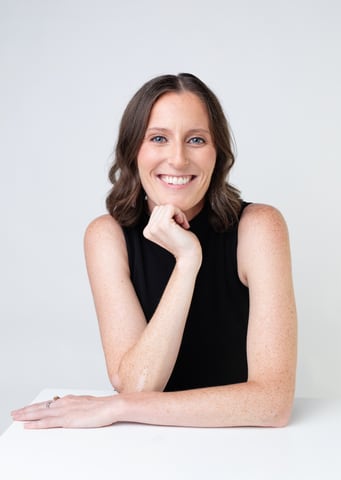
Lauren Jewett
D Democratic nominee for U.S. House, LA-01
Has not served in Congress
- On the ballot
- Lost the general electionNov 3, 2026 · 83,347 votes (39.3%) · 2 of 4
- Where to vote
- Find your polling place (opens in a new tab) · More ways to vote
- Top priorities
- What Louisiana Deserves
- Protect the Right to Vote
- What Louisiana Deserves
- Promote Clean Energy, Protect Our Coast and Environment
- Lauren’s Priorities in Congress
- Money
- $716.3K raised, $560.3K spent, $156K cash on hand (through Oct 14, 2026). Where it comes from
- Who gives
- 75% of individual money from donors at $200 or less · 87% from Louisiana · largest committee giver MACHINISTS NON PARTISAN POLITICAL LEAGUE OF THE INTERNATIONAL ASSOCIATION OF MACHINISTS & AEROSPACE WORKERS, $5K
- Backed by
- Louisiana Democrats · Louisiana AFL-CIO · AFL-CIO and 15 more. As the campaign lists them
11 priorities from laurenjewett.com, in the order they are listed there. Every heading and the text under it is copied exactly, as one passage for each page it is from, and links to that place on the page; hover a source to see which passage it opens.
Background ↗ (opens laurenjewett.com/issues/insurance-costs at this heading)
Families across Louisiana are struggling to keep up with rising insurance costs for homes, cars, and healthcare. We pay the highest auto insurance rates in America and have a significant share of uninsured motorists. Additionally, Louisiana usually ranks among the highest, often behind Florida, for high home insurance premiums. Home insurance premiums have increased 38% since 2023, especially since Category 4 Hurricane Ida. Meanwhile, Louisiana lost 70,000 National Flood Insurance Program policies between 2022 and 2024 as premiums spiked under FEMA's new risk-rating system. This includes a 234% average premium increase reported in one 2023 analysis alone. Lauren understands the difficulties of being dropped by her home insurance company after a major natural disaster, switching carriers, and being left to absorb much higher home and flood insurance premiums.
This is unacceptable. Hard-working families shouldn't have to choose between protecting their homes and putting food on the table.
Lauren’s Priorities in Congress ↗ (opens laurenjewett.com/issues/insurance-costs at this heading)
- Increase oversight of insurance companies
- Advocate for federal action to cap annual insurance rate increases
- Push for funding for mitigation infrastructure that ensures our homes are more resistant to climate, hurricanes, flood, fire, and other storm factors and that these cost burdens are not just passed along to consumers
- Propose looking into collecting data from insurance companies in states like Louisiana and Florida to better understand the premium increases.
- Explore ways to offer federal and public insurance options that institute caps on the premiums for consumers as an alternative to the private insurance market.
- For automobile insurance, eliminate discriminatory and predatory practices by companies that use information such as zip code, income, profession, credit score rather than driving record to determine the rate of the insurance premium
- Oppose a lapse of the National Flood Insurance Program (NFIP), which is supposed to expire at the end of September 2026, and oppose a shift to privatize the program
- Push for a reform or a longer term authorization for the national flood insurance program to make flood coverage more affordable and accurately priced for Louisiana homeowners and renters
- Continue payment plan options to help newer or working class homeowners, especially those in coastal areas in the country seeing higher premiums each year.
- Streamline and speed up FEMA and HUD disaster recovery funding so families displaced by hurricanes aren't stuck waiting years for aid to rebuild.
source ↗ (opens the page at this passage) · laurenjewett.com/issues/insurance-costs
Heading as listed on laurenjewett.com/issues ↗ (opens laurenjewett.com/issues at this heading)
Background ↗ (opens laurenjewett.com/issues/social-security at this heading)
The crisis of Social Security is looming. Social Security is the promise this country made to every worker: pay in your whole life, and you'll have something to retire on. That promise is now on a clock because the trust fund is projected to run dry by the end of 2032, triggering an automatic 22% benefit cut unless Congress acts. This timeline was accelerated by 2025 tax cuts that drained trust fund revenue. This isn't hypothetical for LA-01. In fact, it's a district full of retirees or people nearing retirement, and a 22% cut would hit a senior in Terrebonne or Lafourche just as hard whether they worked a rig, a classroom, or a shrimp boat. Social Security is what many families in our district rely on as their primary source of retirement income. Congress keeps kicking the can down the road instead of acting while the fix is still manageable. Every year Washington waits, the fix gets more costly, more difficult to fix, and painful for retirees and for the workers paying in today. As majority leader, Steve Scalise has had more power than almost anyone in Washington to bring a real fix to the floor, and he hasn't.
Lauren’s Priorities in Congress ↗ (opens laurenjewett.com/issues/social-security at this heading)
- Protect Social Security from cuts and increase funding for senior services to ensure our older Americans can retire with dignity after a lifetime of hard work
- Reject privatization proposals for the Social Security program that would put retirees' guaranteed benefits at the mercy of the stock market.
- Push for action on Social Security now, while Congress still has time to phase in a fix gradually instead of waiting until 2032 that would force an immediate, harsher cut on retirees with no warning
- Adjust the payroll tax cap so higher earners pay into the system at the same rate as everyone else
source ↗ (opens the page at this passage) · laurenjewett.com/issues/social-security
Heading as listed on laurenjewett.com/issues ↗ (opens laurenjewett.com/issues at this heading)
Background ↗ (opens laurenjewett.com/issues/congressional-accountability at this heading)
Louisiana's 1st Congressional District deserves a representative who truly defends the Constitution. Instead, Congress has fallen into dysfunction by neglecting oversight, tolerating executive branch overreach, and trading real accountability for partisan theater.
Steve Scalise, despite his leadership role as House Majority Leader, has put politics before people. He's failed to check constitutional violations, ignored executive overreach, and left his constituents without the protection and leadership they deserve.
Our district needs a leader who will uphold their oath, fight for democratic principles, and put our country first.
Lauren’s Priorities in Congress ↗ (opens laurenjewett.com/issues/congressional-accountability at this heading)
- Push back on executive overreach by opposing the use of executive orders and interagency "agreements" to bypass Congress and rewrite law without a vote as we've already seen with the dismantling of federal agencies and programs Congress created.
- Defend the separation of powers by supporting the War Powers Resolution enforcement and opposing unchecked unilateral military or spending action that cuts Congress out of decisions the Constitution reserves for it.
- Overturn Citizens United and get unlimited corporate PAC and super PAC money out of politics. As a former local and state school board candidate and now a federal candidate, Lauren understands the power and importance of grassroots campaigns. She will advocate for more transparent mechanisms and advocate for publicly-financed campaigns.
- Institute term limits on members of Congress so that we can bring new perspectives to our legislative branch and prevent entrenched, career politicians who lack proximity and accountability to their constituents
- Advocate for a moratorium on lobbying for at least 5 years for congressional representatives following the end of their elected term
- Prohibit stock and insider trading for members of Congress while they serve in office
- Establish a binding code of judicial ethics for the United States Supreme Court which includes financial disclosures and gift acceptance limitations
- Require elected members of Congress to hold annual town halls, with at least a 72-hour public notice, and be responsive to their constituents in their district
- End the rubber stamp and refuse to put party loyalty over the Constitution. We must vote to check abuses of power no matter which party is in the White House.
- Protect whistleblowers by strengthening legal protections for federal employees and inspectors general who expose waste, abuse, or constitutional violations
source ↗ (opens the page at this passage) · laurenjewett.com/issues/congressional-accountability
Heading as listed on laurenjewett.com/issues ↗ (opens laurenjewett.com/issues at this heading)
Heading as listed on laurenjewett.com/issues ↗ (opens laurenjewett.com/issues at this heading)
Background ↗ (opens laurenjewett.com/issues/protect-the-right-to-vote at this heading)
For a century after Reconstruction, Louisiana and its neighboring states built an entire system to keep people from voting: poll taxes, literacy tests, grandfather clauses, and outright violence and intimidation, all aimed at Black voters and anyone else who threatened the political order. It took the civil rights movement to force passage of the Voting Rights Act of 1965, which finally put federal teeth behind the promise that every citizen gets a say.
That history is not abstract here. To Lauren, growing up in a town not far from Seneca Falls, New York and the origin of the women’s suffrage movement taught her something from an early age: the right to vote has never been handed to anyone in this country. It's been fought for, generation after generation, against people determined to deny it or take it away.
Today, the tactics have changed, but the goal hasn't. Voting rights are under attack, both in Washington and right here at home. Steve Scalise personally championed the SAVE America Act, a law that requires documentary proof of citizenship just to register to vote and photo ID at the polls. This isn't election security. It's a solution in search of a problem, and the real effect falls on eligible citizens especially seniors, rural voters, the disabled, working families, and married women who don't have easy access to a passport or certified birth certificate.
Here in Louisiana, we watched our own primary get delayed and our congressional maps redrawn behind closed doors after the Supreme Court's ruling in Louisiana v. Callais. This has left voters confused about their own district in the middle of an election cycle. Whether it's a literacy test in 1955, a redrawn map in Baton Rouge in 2026, or a new documentary-proof requirement in Washington, the pattern is the same: when the people in power are worried about who might vote them out, they make it harder to vote at all.
We don't have to accept that. This district has always been worth fighting for. So is every voter's right to be heard.
Lauren’s Priorities in Congress ↗ (opens laurenjewett.com/issues/protect-the-right-to-vote at this heading)
- Protect voting rights and fair maps by co-sponsoring the John Lewis Voting Rights Advancement Act and co-sponsoring the Freedom to Vote Act. We must commit to restoring federal protections gutted by the Supreme Court, addressing voter disenfranchisement, and banning partisan gerrymandering nationwide.
- Oppose the SAVE America Act and similar documentary-proof-of-citizenship requirements that burden eligible voters without addressing any real problem.
- Support automatic and same-day voter registration to make it easier, not harder, for eligible citizens to vote.
- Push for independent redistricting commissions to end political control over how congressional maps are drawn.
- Expand no-excuse absentee and mail-in voting so elderly and disabled voters aren't required to justify voting by mail.
- Guarantee ADA-compliant polling places and accessible voting machines (ramps, curbside voting, and audio ballots) at every precinct, not just some
- Create permanent absentee voter lists for elderly and disabled voters so they don't have to reapply for a mail ballot every election
- Advocate to make Election Day a federal holiday
source ↗ (opens the page at this passage) · laurenjewett.com/issues/protect-the-right-to-vote
Background ↗ (opens laurenjewett.com/issues/immigration at this heading)
Immigration policy isn't an abstract debate in Louisiana. Louisiana has become the second-largest center for immigration detention in the United States. After Texas, Louisiana has the most number of people detained in the country, currently detaining 13% of immigrants nationwide.
Our communities have watched immigration enforcement carried out in ways that violate due process and cause families and neighbors to live in fear. ICE has engaged in systemic abuses, including racial profiling, family separation, and the targeting of our immigrant neighbors, and even U.S. citizens, which have undermined the values of justice, dignity, and equality that this nation professes to uphold. Lauren has stood with families in this district dealing with uncertainty connected to enforcement actions. As a teacher, Lauren has spent her career watching what instability does to kids. When a parent is detained without warning or when a family doesn't know if they'll be together at dinner, a child cannot learn and a community cannot thrive. She has organized with her fellow union members to ensure that immigrant families get connected to the resources and support during the times they need them the most.
And this district owes immigrants something we don't say out loud often enough: gratitude. After Hurricane Katrina, when over 214,000 homes across New Orleans were damaged or destroyed and much of the region lay in ruins, it was immigrant workers who did the grueling, dangerous work of gutting flooded houses, framing new walls, and putting blue tarps over damaged roofs so families could come home. Nearly half the reconstruction workforce in the months after the storm was Latino, and researchers have found more than half of those workers were undocumented. They worked long days in hazardous conditions, often without protective equipment, and too many were never paid what they were owed. Twenty years later, many of those same workers and their families have put down roots here. They have opened businesses, raised kids in our schools, and become part of the fabric of Southeast Louisiana. The Hispanic population in the greater New Orleans area has grown substantially since Katrina, adding to our workforce, our tax base, and our local economy. As a state that lives at the mercy of hurricanes and coastal erosion, we know exactly who shows up after the storm. It's long past time that we said thank you and treated these neighbors like the essential part of our recovery and our future that they are.
Congressman Scalise has held this seat for over two decades. In that time, Congress has not passed a single major bipartisan immigration reform bill. Meanwhile, the crises pile up: worker shortages, backlogged courts, and a patchwork of executive actions that swing wildly from one administration to the next because Congress refuses to legislate. LA-01 deserves a representative who will actually do the job.
Lauren’s Priorities in Congress ↗ (opens laurenjewett.com/issues/immigration at this heading)
- Support the creation of new humane, accountable, and community-centered structures that uphold immigrant rights, prioritizing pathways to citizenship, community safety, and fair labor standards
- Advocate for policies that respect immigrants' dignity and refocus federal enforcement on actual public safety threats — not sweeps that destabilize schools, places of worship, workplaces, and neighborhoods
- Support a permanent legislative fix for Dreamers who were brought to this country as children and have built their lives here
- Push for full independent investigations and oversight when ICE’s actions result in due process violations, injury, or death like in the cases of Keith Porter, Jr., Renee Good, Alex Pretti, Lorenzo Salgado Araujo, and Joan Sebastian Guerrero
- Support funding for modern border and port-of-entry technology, staffing, and asylum-court capacity so cases are resolved in months, not years.
- Vote for legislation that dismantles ICE and ends its current enforcement and detention operations
- Oppose any expansion of ICE’s authority or budget until the agency is fully dissolved
source ↗ (opens the page at this passage) · laurenjewett.com/issues/immigration
Heading as listed on laurenjewett.com/issues ↗ (opens laurenjewett.com/issues at this heading)
Background ↗ (opens laurenjewett.com/issues/public-safety at this heading)
Safety isn't a talking point. It's a promise you make to the people in your life — your students, your neighbors, your kids. Lauren has spent 17 years in classrooms and knows what it feels like to run an active shooter drill with 10-year olds and pretend it's normal. It shouldn't be normal. And in Louisiana’s 1st District, on too many issues that touch our safety, the people we send to Washington have stopped showing up for us.
Gun Violence Prevention ↗ (opens laurenjewett.com/issues/public-safety at this heading)
Steve Scalise has an A+ rating from the NRA. He survived being shot on a baseball field in 2017. Yet months later, he led House Republican opposition to the Bipartisan Safer Communities Act, the first major federal gun safety law in nearly 30 years. That bill funded crisis intervention, closed the "boyfriend loophole" for domestic abusers, and strengthened background checks for buyers under 21. He called it an attack on the Second Amendment. It passed anyway, with 14 Republican votes. His vote wasn't one of them.
And the numbers back up why that fight mattered. Louisiana has the second-highest rate of gun deaths in the country, just behind Mississippi. Nearly 1,300 people died from gun-related injuries here in 2023 alone. Firearms are the leading cause of death for Louisiana kids ages 1 to 17, and our child gun death rate is close to three times the national average. As a teacher, Lauren has experienced this personally, losing several students to gun violence during her career. And unlike the rest of the country, where gun suicide makes up the majority of gun deaths, in Louisiana the majority are homicides. This isn't primarily a mental health story, it's a community violence story. The trend is getting worse, not better: gun deaths in Louisiana rose 49% from 2014 to 2023, and gun homicides rose a staggering 86%, both far outpacing the national increase. In 2024, the state repealed its concealed carry permit requirement, meaning you can now carry a loaded gun in public with no background check and no training. Our gun law ranking dropped from 26th to 33rd in the country as a result.
Lauren is not interested in taking anyone's guns. She is interested in keeping them out of the wrong hands. Those are different things, and Louisiana voters know the difference.
Community violence ↗ (opens laurenjewett.com/issues/public-safety at this heading)
Real public safety isn't just about the moment a crime happens. It's about everything upstream of it including mental health care, youth programs, quality and stability in our schools, strong public infrastructure, economic opportunity, and law enforcement that has the staffing and training to do its job well. Cutting those investments doesn't make us safer. It just moves the cost somewhere else, usually onto emergency rooms and jails.
Over-policing and overcriminalization ↗ (opens laurenjewett.com/issues/public-safety at this heading)
Louisiana locks up more of its people, per capita, than any democracy on earth and we have an incarceration rate of roughly 1,067 per 100,000 residents. This is a distinction the state has held for decades. Louisiana's own bipartisan Justice Reinvestment Task Force looked at the numbers and found the honest answer: it isn't because Louisiana has more violent crime than its neighbors. It's because Louisiana sends people to prison for nonviolent offenses — drug possession most of all — far more often than almost anywhere else. That's not public safety. That's a policy choice, and it's an expensive, generational one that falls hardest on Black communities, who make up about a third of Louisiana's population but roughly two-thirds of the people behind bars.
And right here in Louisiana’s 1st District, we've seen where unchecked surveillance leads. Jefferson Parish sheriff's deputies once arrested and jailed a man named Randal Reid for days for crimes he didn't commit because facial recognition software wrongly flagged him as a match even though he had never even been to Louisiana. The Sheriff's Office later settled the lawsuit. That's what happens when departments lean on unproven, racially biased technology instead of real investigative work. In New Orleans, police were caught running real-time facial recognition surveillance in violation of the city's own ordinance. This was done quietly, for years, without telling the public they were doing it. Watching everyone doesn't make anyone safer. It erodes the trust that actually keeps communities and police working together, and it's communities of color who pay the price first.
source ↗ (opens the page at this passage) · laurenjewett.com/issues/public-safety
Heading as listed on laurenjewett.com/issues ↗ (opens laurenjewett.com/issues at this heading)
Lauren believes that healthcare is not a luxury. It is not a privilege for the well-connected. It is a human right. Every family in this district and country deserves care they can easily access and care that won't bankrupt them to receive.
We are in the middle of a doctor shortage. Nearly half our neighbors are on Medicaid or have no insurance at all. With a median age of 39.9 in Louisiana’s 1st Congressional District, a significant portion of our population relies on Medicare, Social Security, and Medicaid to cover healthcare and basic needs. It doesn't stop there. Too many families have no dental coverage, no vision coverage, and no access to mental health care.
Our rural hospitals are disappearing. More than 30 rural hospitals in Louisiana are at risk of closing their doors because Washington keeps cutting the funding that keeps them open.
When it comes to women's health, the crisis is even deeper. Louisiana has some of the highest maternal mortality rates in the country. We don't have enough OB/GYNs. We have maternity care deserts. And Black mothers in this state are dying at rates no family should ever have to accept. Lauren believes that high quality healthcare includes reproductive justice and bodily autonomy.
Our veterans are caught in this crisis too. Louisiana is home to tens of thousands of veterans, many in rural parishes where the nearest VA facility is hours away. When rural hospitals close, veterans lose the community care options they depend on. They served this country and they shouldn't have to fight another battle just to see a doctor.
For millions of seniors and people with disabilities, Medicaid's promise isn't just coverage. It means the ability to stay in their own home or near their own family instead of being sent to a nursing home or institution. That's what Home and Community-Based Services (HCBS) makes possible. However, while Medicaid is required to cover nursing home care, HCBS is still classified as an "optional" benefit and one that states can scale back whenever budgets get tight or the political winds shift. That gap has always been a vulnerability. Now it's being tested directly. In June 2026, the Department of Justice issued new guidance signaling the administration may not enforce the community-integration mandate established by the Supreme Court's landmark Olmstead decision. That decision comes as HCBS is already under strain nationwide, following the largest Medicaid cuts in the program's history. The message this sends is unmistakable: the guardrails that kept disabled and aging Americans out of institutions are loosening, right as the safety net underneath them is being cut. Lauren knows what's at stake here personally, through her own family's experience with disability advocacy, and as a special education teacher who has spent 17 years fighting for the dignity and independence of the students and families she has served.
source ↗ (opens the page at this passage) · laurenjewett.com/issues/quality-healthcare
Heading as listed on laurenjewett.com/issues ↗ (opens laurenjewett.com/issues at this heading)
Background ↗ (opens laurenjewett.com/issues/agriculture-and-seafood at this heading)
Louisiana’s 1st Congressional District isn't just suburbs and city blocks. It's strawberry fields in Tangipahoa. It's dairy farms that have fed Florida Parishes families for generations. It's shrimp boats out of St. Bernard, Lafourche, and Terrebonne, oyster beds off Plaquemines, and crawfish ponds that show up on tables from Hammond to the French Quarter. Louisiana produces 25% of the nation's seafood and 90% of U.S. crawfish, with an industry worth over $2.4 billion annually. These local economies are under real strain, and Washington keeps failing to show up for it.
Our shrimpers are being squeezed from every direction. The U.S. imports the vast majority of the shrimp it eats, much of it farmed cheaply overseas under conditions that would never meet American environmental or food-safety standards, and it's flooding the market and driving prices down. On top of that, a February 2026 oil spill from the Louisiana Offshore Oil Port near Port Fourchon forced Wildlife and Fisheries to shut down oyster beds in Terrebonne, leaving oystermen, crabbers, and shrimpers in limbo over how much of their catch and equipment was compromised and whether customers would trust Louisiana seafood again even after the beds reopened.
Our crawfish industry nearly lost a season to visa chaos. Crawfish processing depends heavily on seasonal guest workers who come back year after year to peel and pack the catch. This is work that plants say they cannot find enough local labor to fill. In 2026, federal delays in releasing H-2B visas meant most of the state's crawfish peeling plants started the season with few or none of their usual workers. Louisiana's agriculture commissioner put the potential economic hit at up to $300 million. This wasn't a natural disaster. It was a paperwork and policy failure in Washington, and it happened right in the middle of peak season, when there was no way to make up for lost time.
Many of our local family farms are struggling or down-sizing operations. Tangipahoa Parish was once home to a huge share of Louisiana's dairy industry, but today there are only a handful of dairy farms left statewide who are competing with giant corporate operations and the rising cost of doing business small. Multi-generational strawberry growers around Ponchatoula and Hammond are fighting rising labor and input costs, extreme weather swings, and shrinking acreage every season. All of this is happening while the Farm Bill that sets the rules for crop insurance, disaster assistance, and rural investment has been stuck in historic gridlock in Washington, D.C. for years.
Decriminalization of hemp agricultural products. Steve Scalise voted (HR 5371) to prohibit the processing, sale, or use of hemp. While Louisiana does not have a robust hemp farming industry (less than 40 acres of planted farms), it does have a booming hemp beverage and product industry. Our hemp products industry generated $33 million in sales and $4.3 million in tax revenues in Louisiana. This industry employs Louisiana citizens with good paying jobs and is at risk of closing because of Steve Scalise.
Lauren’s Priorities in Congress ↗ (opens laurenjewett.com/issues/agriculture-and-seafood at this heading)
- Invest in agricultural research and marketing to preserve Louisiana’s traditional industries and way of life and recognize that our seafood economy is not just an industry but generations of families and coastal communities
- Fight for truth in seafood labeling and ensuring consumers know what they're eating and where it came from
- Require that producers who are importing seafood here meet the same labor and environmental standards that our fisherman in America have to meet
- Advocate that employers are held to ethical and humane labor standards for guest workers in all industries and sectors. This includes protecting the wage floor for every individual working within the seafood industry, accountability and enforcement mechanisms so workers can report wage theft or unsafe working conditions without fear of retaliation or deportation, and offering pathways to citizenship for workers who keep these industries running.
- Push for Congress to deliver a Farm BIll as fast as possible that addresses the real and pressing needs of Louisiana's family farms and heritage agricultural industry.
- Expand crop insurance and disaster assistance options for the specialty crops (strawberries, dairy products) that define agriculture within our district
- Establish programs that create stable domestic markets for our local producers, allowing our local farmers to feed local people
- Overturn Steve Scalise's ban on hemp farming and federally decriminalize hemp products.
source ↗ (opens the page at this passage) · laurenjewett.com/issues/agriculture-and-seafood
Heading as listed on laurenjewett.com/issues ↗ (opens laurenjewett.com/issues at this heading)
Background ↗ (opens laurenjewett.com/issues/infrastructure at this heading)
Infrastructure isn't an abstract policy category — it's the roads your kids ride the bus on, the bridge you cross to get to work, the ports that bring in goods we purchase and consume, and the water that comes out of your tap. When Lauren bought her home here in Louisiana, she learned quickly that surrounding infrastructure is a key factor, from the road conditions on your street to whether your water and drainage systems can handle the next big storm. Every person or family that buys a home or moves into this district is making that same bet on their community holding up.
Roads, Bridges, and Ports ↗ (opens laurenjewett.com/issues/infrastructure at this heading)
Right now, that bet is a shaky one. Even though Louisiana's roads, bridges, and ports are the backbone of our economy, many are outdated, congested, and in urgent need of repair. Louisiana's infrastructure currently earns a C- grade from the American Society of Civil Engineers. This is an improvement from a D+ in 2017, but still far from where it needs to be, with six of ten infrastructure categories earning the same or lower grades than eight years ago. More than 1,500 of Louisiana's bridges are in poor condition, including the Pearl River Bridge on Highway 90 in St. Tammany Parish. This bridge has been closed indefinitely since May 2022 because of structural steel deterioration causing unsafe and inefficient travel for people in District 1.
Even where federal investment has flowed in, it hasn't kept pace with inflation or the state's growing needs. This leaves real funding gaps that prevent Louisiana from addressing its most critical problems. With 12,915 bridges and billions in highway projects underway through the TIMED program, the need for maintenance and upgrades has never been greater. Traffic on I-10 is expected to grow 30% by 2032, making improvements critical for families and commuters across our region.
Broadband ↗ (opens laurenjewett.com/issues/infrastructure at this heading)
Broadband is its own crisis in this district: over 10% of Louisianans live in areas with no broadband infrastructure at all under the FCC's benchmark, and nearly 1 in 5 Louisiana households don't have an internet subscription even where service exists. This is often because it's simply too expensive. In 2026, that's not a minor inconvenience. It's the difference between a kid finishing homework and a small business staying online, between a rural family reaching a telehealth appointment and going without care.
Clean Water ↗ (opens laurenjewett.com/issues/infrastructure at this heading)
Saltwater is creeping into our drinking water. In 2023, drought dropped the Mississippi River so low that Gulf saltwater pushed upstream toward New Orleans. Plaquemines Parish was hit first. Nearly 2,000 residents went months on bottled water. Some families reported skin rashes from bathing in it. Local businesses lost equipment to corrosion. At its worst, the water tested six and a half times saltier than the EPA's safety threshold. The Army Corps had to barge in freshwater and race to build an underwater levee before the wedge reached New Orleans, Jefferson, and St. Bernard. This is what happens when drought, sea-level rise, and coastal land loss combine. It will happen again, and next time it could reach more of our district.
Our pipes are old, and it shows. Boil water advisories aren't rare in LA-01. In fact, they're routine. Jefferson Parish has lost water pressure from mains that trace back to the 1940s. St. Tammany has had multiple advisories in a single year from chlorination failures and main breaks. Every time this happens, parents have to boil water before making a baby's bottle, restaurants have to close, and schools have to cancel classes and send kids home. As a teacher, Lauren experienced this many times and this led to disruptions in learning. That's not a minor inconvenience. It's a sign our water systems are being patched instead of rebuilt.
source ↗ (opens the page at this passage) · laurenjewett.com/issues/infrastructure
Heading as listed on laurenjewett.com/issues ↗ (opens laurenjewett.com/issues at this heading)
Background ↗ (opens laurenjewett.com/issues/modern-economy at this heading)
Louisiana workers are being left behind. This is not by accident, but by policy choices made in Baton Rouge and Washington. Louisiana's minimum wage has been stuck at the federal floor of $7.25 an hour since 2009. This is 17 years without a single raise, even as the cost of groceries, gas, and other basic needs have increased. In Jefferson Parish alone, the living wage for a single adult is estimated at roughly $22 an hour, a gap of nearly $15 an hour between what the law requires and what it actually takes to make ends meet. A full-time worker earning minimum wage in this district brings home about $15,000 a year. This is below the poverty line for a family of two.
Lauren has spent her career organizing alongside members of her teacher’s union, and she knows what it's like to watch her union brothers and sisters in a “right to work” state fight hard to negotiate contracts that win safe working conditions and strong benefits. She knows the importance of having workers share collective power and resources to bargain effectively. Legislation like the PRO Act fixes that. It closes the loopholes that let employers drag out union elections and retaliate against workers for organizing. Workers must have a real say in our pay and our safety. Scalise has sided with the employers every time. Lauren won't.
This district doesn't need more corporate tax breaks that never trickle down. And it doesn’t need cuts to benefits that were long promised. It needs a representative who has stood in a classroom, not a boardroom and who understands that a modern economy has to work for the people building it, not just the shareholders profiting from it. As a member and leader within her teacher’s union and someone who has stood on picket lines in solidarity with fellow unions, Lauren understands that we must build a future in which all people in Louisiana and the United States have access to good-paying, fulfilling jobs that allow them to thrive, not just survive.
Lauren’s Priorities in Congress ↗ (opens laurenjewett.com/issues/modern-economy at this heading)
- Raise the federal minimum wage and index it to inflation, so workers never again go a generation without a raise.
- Strengthen the right to organize and collectively bargain, including supporting the PRO Act to give workers real power at the negotiating table, regardless of "right-to-work" laws designed to weaken them.
- Fight to strengthen and fully enforce federal protections against workplace discrimination and harassment based on sex, race, disability, sexual orientation, and gender identity including restoring and expanding EEOC enforcement funding,
- Protect and expand overtime pay protections so hourly workers are compensated fairly for the hours they actually work.
- Support local crawfish, shrimping, and maritime industries with fair trade enforcement and H-2B visa reform to address the seasonal labor shortages hurting Louisiana's working waterfronts. Ensure that seasonal workers on H-2B workers are provided safe and fair working conditions.
- Invest in workforce training and apprenticeship programs tied to the industries actually growing in this district (energy, maritime trades, healthcare, and skilled construction).
- Ensure large employers including new AI data centers moving into the district and state commit to local hiring, fair wages, and safe working conditions as a condition of the tax incentives and infrastructure investment they receive.
- Strengthen whistleblower and anti-retaliation protections so workers can report unsafe conditions or wage theft without fear of losing their job.
- Cosponsor and vote for national paid family and medical leave legislation, such as the FAMILY Act, to guarantee workers paid time off for childbirth, serious illness, or caring for a family member.
- Enact wealth taxes on wealthiest individuals and corporations to ensure that working class people have access to public goods and infrastructure in their communities
- Invest in emerging industries — renewables, technology, clean energy — while also helping small businesses and entrepreneurs seek new opportunities
source ↗ (opens the page at this passage) · laurenjewett.com/issues/modern-economy
Heading as listed on laurenjewett.com/issues ↗ (opens laurenjewett.com/issues at this heading)
Background ↗ (opens laurenjewett.com/issues/foreign-policy at this heading)
As a special education teacher, Lauren’s daily work is rooted in a simple truth: you cannot build a successful future without first creating a safe, supportive foundation for everyone. When we look at foreign policy, the same logic applies. True national security is not just about military strength. It is about fostering global stability through diplomacy such as investments in human infrastructure, specifically education, healthcare, and sustainable development. Just as a chaotic environment hinders a student's ability to learn, global instability, poverty, hunger, and systemic inequality threaten our safety at home. Moreover, Lauren views issues of war through a disability justice lens, and sees how international conflict can deepen harm and trauma for disabled individuals. As a country, we must lead in protecting civilians from disasters of war, ethnic and religious hatred, and human rights abuses and aim to engage in international relations that prioritizes diplomacy and everyone’s human rights.
Lauren’s Priorities in Congress ↗ (opens laurenjewett.com/issues/foreign-policy at this heading)
- Lead with a foreign policy approach not bought by lobbyists: Lauren's foreign policy isn't for sale. She takes no corporate PAC money, including the lobbying money that shapes so many Washington votes. The incumbent has built a career on it: deep ties to fossil fuel interests that profit off Gulf drilling policy, and substantial support from pro-Israel PACs like AIPAC.
- Recommit the United States to participation in international organizations and global health agreements including the United Nations, World Health Organization (WHO), and Paris Climate Agreement
- Support restoring war powers oversights to make sure Congress votes before we get involved in forever wars. The Constitution gives Congress– not the president– the power to declare war. This legislative authority has eroded over the decades and with past administrations. As a result our troops have been committed and aggressive tactics have been ordered, all without congressional approval like what we are experiencing in Iran. Americans deserve representatives who have actual debates and votes before sending our sons, daughters, grandchildren, and family members into any combat or war.
- Oppose sending U.S. military aid, weapons, and tax dollars to fund foreign conflicts and violence like we see in Gaza and instead redirect our domestic taxpayer funds toward the basic needs of children and people at home
- Restore diplomatic relations with Cuba. Before the embargo, Cuba was Louisiana’s largest single foreign trading partner with roughly a third of all exports leaving the Port of New Orleans destined for Cuba. In a process started in 2005, Louisiana has managed to become the number one state in US exports to Cuba (cumulatively at $1.4 billion). However relations should not be restored simply due to economic and trade opportunities. The newest US sanctions of fuel procurement is creating a humanitarian crisis disproportionately affecting women, children, and the elderly. These sanctions are causing prolonged blackouts, disrupting health care services, critical shortages of medicines and cancer-treatment capacity, and food shortages.
- Self determination for Puerto Rico. The islands of Puerto Rico and the Philippines became territories of the United States as a result of the 1898 Spanish-American War. Whereas the Philippines were granted independence (1946), Puerto Rico was not. The people of Puerto Rico deserve a say in determining their future. I will support the Puerto Rico Status Act and any legislation that grants a statehood referendum that gives the Puerto Rican people the power to decide its future.
- Advocate for sovereignty and freedom of Ukraine and oppose peace settlements that reward Russian aggression
source ↗ (opens the page at this passage) · laurenjewett.com/issues/foreign-policy
Heading as listed on laurenjewett.com/issues ↗ (opens laurenjewett.com/issues at this heading)
Heading as listed on laurenjewett.com/issues ↗ (opens laurenjewett.com/issues at this heading)
Louisiana is losing its coast in real time. Every hour, the state loses roughly a football field of wetlands and every year since the 1930s, Louisiana loses about 25-35 square miles of wetlands which is an area similar to the size of Delaware. This is land that protects communities from storm surge, sustains the fishing and shrimping industries that built this district, and keeps saltwater out of drinking water supplies. Coastal communities like Isle de Jean Charles have already been forced to relocate as the land beneath them disappears. Additionally, communities in Jefferson, Orleans, Plaquemines, St. Bernard, and Terrebonne parishes face rising flood risks, with some areas expecting up to 2 feet of sea level rise by 2050.
Our state receives real money for coastal restoration through GOMESA: offshore drilling revenue sharing has funded wetland restoration and flood protection. That funding matters, and this district should keep using every dollar of it well. However, that same revenue stream ties Louisiana's coastal survival to the continued expansion of the very industry accelerating the crisis — deeper drilling, more leases, more emissions — without a serious federal plan for what happens when the oil runs out or the climate makes today's coastline unrecognizable. Our state remains dependent on the same industry driving the crisis we collectively face.
Even as drilling revenue has increased, the broader federal commitment to coastal resilience has been cut. In the Fiscal Year 2026 federal budget, NOAA eliminated Coastal Zone Management Grants (-$81.5 million), eliminated National Coastal Resilience Funds (-$32 million), eliminated the National Estuarine Research Reserve System (-$33.3 million), and terminated the Habitat Conservation & Restoration Program (-$56.2 million). This was alongside roughly $280 million in rescinded NOAA climate resilience funds. These are exactly the programs that fund the science, monitoring, and habitat restoration work that drilling revenue alone can't replace.
source ↗ (opens the page at this passage) · laurenjewett.com/issues/clean-energy-coast-environment
Louisiana is becoming a national hub for hyperscale data center construction, and it's happening fast. Meta's Hyperion data center in Richland Parish has grown from an initial $10 billion project to a $50 billion, 5-gigawatt facility. This is one of the largest AI infrastructure investments in the world. To power it, Entergy is building 10 new power plants across three parishes, including new gas-fired generation. Meta's data center could use around six times more power than the entire city of New Orleans on one of the hottest days of the year.
This kind of investment can mean temporary jobs and community investment, but none of those advantages should come at the expense of people’s safety or professional livelihoods. Working class people and families in America deserve innovation that works with them, not against them. Congress must use its power to conduct research, pass legislation, and create regulations ensuring artificial intelligence methods and technologies are used in ways that are ethical, responsible, transparent, and regulated.
source ↗ (opens the page at this passage) · laurenjewett.com/issues/clean-energy-coast-environment
Louisiana is at the center of many of the largest carbon capture and storage (CCS) projects in the country and world. There are currently dozens of Class VI carbon injection well applications across nearly 20 Louisiana parishes. Many Louisiana residents have expressed concern that the CCS projects will affect our health, wildlife, lakes, water systems, agricultural industry, tourism, and constitutional property rights.
Carbon capture projects also generate their own emissions. They are one of the most expensive emissions reduction measures and require government subsidies to be economically viable. These projects often come at the cost of landowners' rights and public safety. Too often, the companies proposing these projects have kept basic details and overall impacts undisclosed, leaving the people living above these pipelines and injection sites in the dark about risks to their land, water, and air.
source ↗ (opens the page at this passage) · laurenjewett.com/issues/clean-energy-coast-environment
- Protect and expand GOMESA revenue sharing while fighting to restore the NOAA coastal resilience programs that were cut. It is important that Louisiana has access to both funding streams, rather than one traded for the other.
- Fully fund the Army Corps of Engineers' Morganza to the Gulf hurricane protection project and other critical Louisiana flood control work.
- Support a real transition plan for coastal communities facing managed retreat, including funding and infrastructure for communities like Isle de Jean Charles. We cannot have relocation without a real plan or resources.
- Invest in offshore wind and other diversified energy development in the Gulf, so Louisiana's coastal funding isn't permanently tied to a single, finite industry.
- Restore and protect NOAA's National Estuarine Research Reserve System and habitat restoration programs that scientifically guide where and how restoration dollars get spent.
- Push for a long-term, dedicated federal coastal restoration trust fund that doesn't rise and fall with oil lease auction results.
- Support our local farms and fisheries as part of climate resilience by recognizing that islands, mid-bay terraces, and levees help mitigate the risks our seafood harvesters and farmers face from storms and government actions that flood areas with polluted freshwater
- Support those working in the local commercial fishing and seafood industry by making investments in energy efficient technology to help them do their jobs well, safely, and sustainably.
source ↗ (opens the page at this passage) · laurenjewett.com/issues/clean-energy-coast-environment
- Advocate for a moratorium on new AI data centers
- Call for a full analysis of the environmental and labor impact of AI Data Centers
- Require full public disclosure of data centers' projected energy and water usage before permits are approved. There should be no more trade-secret black boxes on resource use that affects the whole community.
- Support legislation ensuring tech companies, not ratepayers, cover the true cost of the power plants, grid upgrades, and infrastructure improvements built to serve their facilities.
- Push for enforceable local-hire and local-training commitments tied to any federal incentives or tax benefits data center operators receive and ensure that there is job-embedded training versus job displacement
- Require independent water-impact assessments for any large-scale data center in a coastal or agricultural region before construction begins.
- Advocate for guardrails so that AI technology is not used as a tool for over-surveillance of communities or discipline and displacement of workers
- Invest in programs that promote digital literacy skills and STEM education
- Fight for passage of laws that address deepfakes, political misinformation, and any AI-generated sexual abuse and harassment
source ↗ (opens the page at this passage) · laurenjewett.com/issues/clean-energy-coast-environment
- Oppose further acceptance of carbon capture sequestration projects
- Oppose Section 45Q federal tax incentives and credits for CCS projects
- Oppose the use of eminent domain to force landowners to accept CO2 injection or pipelines beneath their property without genuine, informed consent.
- Commit to a variety of safe options for renewable and resistant energy sources with job retraining programs
- Require comprehensive environmental impact studies and full safety reviews be conducted for new projects coming into communities
- Hold oil and petrochemical companies accountable for environmental damage and health risk through litigation and regulation
- Promote the installation of rooftop solar on government offices and buildings.
source ↗ (opens the page at this passage) · laurenjewett.com/issues/clean-energy-coast-environment
Heading as listed on laurenjewett.com/issues ↗ (opens laurenjewett.com/issues at this heading)
- Cosponsor Medicare for All so that we have a system of care based on need, not profit, with no premiums or deductibles standing in the way
- Push to expand the Affordable Care Act and work to close the current Medicaid coverage gap
- Cosponsor legislation to add dental, vision, and hearing benefits to Medicaid and Medicare (building on efforts like the Medicare Dental, Vision, and Hearing Benefit Act)
- Ensure that mental and behavioral health services are included as part of comprehensive health insurance coverage
- Expand funding for community health centers and clinics, including those that address mental and behavioral health
- Address physician and healthcare worker shortages by expanding funding for the National Health Service Corps, the Conrad 30 Waiver Program, and graduate medical education residencies. This will help incentivize doctors to practice in Louisiana and other underserved states.
- Lower prescription drug costs including capping insulin costs and decrease out-of-pocket costs for essential care
- Cosponsor the Women's Health Protection Act to protect a patient's right to bodily autonomy and to make their own health decisions, free from political interference, codify Roe v. Wade into federal law, and ensure that women’s health is no longer put at risk due to Louisiana’s restrictive laws around reproductive rights and access to birth control methods
- Cosponsor the Black Maternal Health Momnibus Act to address racial disparities in maternal mortality directly.
- Expand rural OB-GYN residency incentives and telehealth maternity care access for maternity care deserts.
- Support extending postpartum Medicaid coverage to a full 12 months in every state.
- Adequately resource the VA and push back against efforts to privatize it, ensuring our military veterans have access to a range of services for their conditions and needs, including mental health support
- Protect and expand funding for HIV/AIDS programs, including the Ryan White Program and PrEP access
- Oppose federal legislation or amendments that restrict gender affirming care
- Codify Olmstead v. L.C. integration mandate and oppose efforts to defund home and community-based services that allow disabled and elderly Americans to live with freedom and dignity
- Fight in Congress to make Home and Community-Based Services a mandatory Medicaid benefit, so that no one is forced into a nursing home simply because a state waiver ran out, a waitlist grew too long, or a future administration decided Olmstead no longer applies
source ↗ (opens the page at this passage) · laurenjewett.com/issues/quality-healthcare
Heading as listed on laurenjewett.com/issues/quality-healthcare ↗ (opens laurenjewett.com/issues/quality-healthcare at this heading) · “Quality Healthcare is a Human Right for Every Community” on laurenjewett.com/issues ↗ (opens laurenjewett.com/issues at this heading)
Lauren is a product of public education and has spent 17 years delivering special education services in Louisiana’s classrooms. She knows what it looks like when Congress breaks its promise: a teacher is left paying for supplies or professional development out of pocket, students are overlooked in overcrowded classrooms, and parents have to navigate a system to fight for services their child is legally entitled to but can't get.
For fifty years, Congress promised to cover 40% of the cost of educating students with disabilities. Today, the federal share is under 12 percent — leaving states like Louisiana to make up the difference, or make cuts. Additionally, as our federal administration has pushed to dismantle the Department of Education and move these programs to the Department of Health and Human Services, they're stripping away the oversight that makes IDEA protections real and not just promises on paper. Gutting the Department doesn't shrink government waste. It removes the one watchdog making sure schools follow the law for the kids who need it most.
These failures don't stay in Washington. They land on teachers, and on the students who need the most support and get the least. In states like Louisiana, where they only get a fraction of the special education funding it is owed, this is devastating. Louisiana's schools still rank among the bottom 15 states nationally. Nearly one in six students don't graduate high school. Teachers here have worked hard to ensure students make gains in reading and math, but earn about $56,000, well below the national average, all while school funding has stagnated.
Nationally, teacher pay has stagnated for a decade while the cost of living escalates. Special education classrooms are short-staffed. Funding formulas built decades ago haven't caught up to what students need today. This is especially true for students with disabilities, our multilingual learners, and students facing adverse childhood experiences such as trauma and poverty.
Instead of investing in our schools and the public good of public education, politicians and billionaires are attacking the people who teach and learn in them. Teachers are being vilified for teaching honest history and real civics which are the very subjects that build informed citizens. Cuts to school meal programs mean kids go hungry during the school day and are unable to focus and learn because Washington decided a lunch tray was expendable. Grant funding for arts and music education programs are constantly at the whim of congressional and departmental budget cycles. All of these things make it difficult for teachers to do their jobs and harder for kids to learn.
Lauren knows that ensuring a quality education for kids with disabilities uplifts all kids. She knows it will take a member of Congress who has hands-on experience in our schools to fight for the investment our students were promised fifty years ago, support teachers and school staff instead of scapegoating them, and make sure our schools teach students the literacy, social, technology, and critical thinking skills needed to take on our evolving world.
source ↗ (opens the page at this passage) · laurenjewett.com/issues/stronger-schools
- Fight to fully fund federal special education law (IDEA- Individuals with Disabilities Education Act) and fight just as hard to keep it where it belongs, at the Department of Education, not scattered across agencies with no expertise in how students with disabilities learn
- Cosponsor federal measures to raise the teacher pay floor to pay teachers what they’re worth and end the decade-long stagnation that's driving educators out of the classroom
- Invest in both job training and college prep so students have multiple paths to success
- Protect and expand Title II funding for educator recruitment, retention, and training
- Fight for increased Title I funding to close the resource gap for schools serving students in low-income communities
- Oppose billionaire backed voucher and educational savings account schemes that jeopardize public school funding
- Push to restore and protect NEA, NEH, and IMLS grants that keep music, art, and cultural programs in schools and communities
- Defend the right of educators to teach honest history and real civics, free from political interference because informed citizens start with an honest education
- Establish universal pre-kindergarten programs for all 3 and 4 year olds and ensure we have strong Head Start and Early Steps programs
- Support our multilingual learners by advocating for funding for ELL programs, certified staff, and resources for immigrant and refugee students
source ↗ (opens the page at this passage) · laurenjewett.com/issues/stronger-schools
The failure doesn't end at graduation. The same Congress that's underfunding K-12 and attacking teachers is making college less affordable on the other end. They’re raising the cost of borrowing, taxing loan forgiveness as income, and causing a shortfall in the Pell Grant program that could leave students without aid in just a few years. A student who makes it through our K-12 system in schools in Louisiana and in states across the country shouldn't graduate into a higher education system where the challenges are already stacked against them.
Higher education is becoming more out of reach, not less. The "One Big Beautiful Bill Act" raised the cost of borrowing for Louisiana students and caps graduate student loans at $20,500 per year with a $100,000 lifetime limit. Starting in 2026, any forgiven student debt is taxable. Repayment plans are being consolidated into a system where borrowers can be locked into payments for up to 30 years.
Meanwhile, the program millions of Louisiana students rely on to even get to college is running out of money. The Pell Grant program is projected to face a cumulative 10-year shortfall exceeding $100 billion, and without congressional action, could see a disruption in full awards as soon as the 2028-2029 school year.
source ↗ (opens the page at this passage) · laurenjewett.com/issues/stronger-schools
- Fight to fully fund the Pell Grant program and close the shortfall before it cuts off aid to the students who need it most.
- Oppose taxing forgiven student debt as income because this is a policy that punishes borrowers for getting relief they earned.
- Protect and strengthen Public Service Loan Forgiveness for jobs like teachers, nurses, social workers, and first responders
- Cosponsor legislation to lower interest rates on federal student loans and restore reasonable repayment timelines
- Expand access to trade, technical, and community college pathways
- Support debt-free community college and technical training so a two-year degree or certification doesn't start with debt
source ↗ (opens the page at this passage) · laurenjewett.com/issues/stronger-schools
Background ↗ (opens laurenjewett.com/issues/affordable-housing at this heading)
For most individuals or families, buying a home is the biggest financial decision they'll ever make and in Louisiana, that decision has gotten harder every year. Lauren knows this firsthand. She bought her home here in Louisiana, and remembers what it took to make that leap — the savings, the paperwork, the fear of one unexpected cost throwing the whole plan off, and the ongoing maintenance of home ownership. That experience shapes how she thinks about this issue, because it's not abstract to her. It's personal.
Louisiana homeowners are still experiencing a property insurance crisis that Louisiana's own Insurance Commissioner describes as ongoing, even as the market slowly improves. Realtors across the state of Louisiana often report of deals collapsing at the closing table when buyers discover what it will cost to insure the home behind the mortgage they've already qualified forThis means families who can afford a mortgage are still being priced out by the cost of insuring the home behind it. Rising premiums have made the affordable housing shortage in Louisiana's metro areas worse and has taken a toll on the housing market across south Louisiana. And tens of thousands of homeowners remain stuck on Citizens, the state's insurer of last resort, paying rates that can run triple what they paid with a private carrier.
On top of insurance costs, this district simply doesn't have enough affordable housing to go around. Louisiana has a severe shortage of housing that is both safe and affordable to low-income renters, and that shortage pushes rents up for everyone else too. This ultimately makes it harder for teachers, nurses, first responders, service workers, and young families to find a place to live in the communities where they work. The historical effects of redlining are still seen in New Orleans and the district’s surrounding parishes today, contributing to cycles of poverty.
Lauren believes that housing is a human right and that a strong community starts with people being able to afford to live in it. That means tackling insurance costs, building more housing, and making sure federal disaster recovery actually reaches the families who need it — not just the wealthy or well-connected.
Lauren’s Priorities in Congress ↗ (opens laurenjewett.com/issues/affordable-housing at this heading)
- Support federal reinsurance backstop programs to bring down the cost of homeowners insurance in high-risk coastal states like Louisiana, addressing the root cause of soaring premiums rather than just shifting costs around.
- Expand access to first-time homebuyer assistance programs, down payment support, and low-interest FHA loans so families don't need generational wealth just to get in the door.
- Increase federal investment in affordable housing development, including the Low-Income Housing Tax Credit, to address Louisiana's shortage of housing affordable to working families.
- Protect renters and homeowners from predatory lending and unfair foreclosure practices, and extend foreclosure relief especially during federally declared disasters.
- Provide rent control options, tenant protections such as right to counsel, and increased oversight and accountability for unethical landlords.
- Ensure that new housing construction and development uses materials that are meant to be sustainable, energy efficient, and climate-resistant for our area.
- Establish programs in place that address the history of racist land and housing policies such as down payment assistance for people impacted by redlining practices, incentives to areas that eliminate exclusionary zoning, and elimination of discriminatory practices for home appraisals.
- Combat gentrification through community land trusts
source ↗ (opens the page at this passage) · laurenjewett.com/issues/affordable-housing
Background ↗ (opens laurenjewett.com/issues/clean-energy-coast-environment at this heading)
Louisiana is popularly known as the “Sportsman’s Paradise,” but our swamps, wetlands, coast, breathing air, farmlands, housing properties, and way of life have become a toxic dumping ground for billionaires and corporations, with their significant PAC contributions to politicians like Steve Scalise. Steve Scalise has taken more than $2.1 million from the fossil fuel industry over his career. This is the second-most of any member of the U.S. House. In just the 2023-24 cycle alone, he ranked fourth among all House lawmakers in oil and gas contributions, including $40,000 from the PAC of an oil executive later accused by federal regulators of colluding with OPEC to keep gas prices artificially high.
Louisiana needs a representative who treats coastal and environmental survival as a long-term, bipartisan infrastructure priority rather than a side effect of energy policy, and not something to defend only when the money's flowing in.
source ↗ (opens the page at this passage) · laurenjewett.com/issues/clean-energy-coast-environment