Loading this candidate’s profile from the FEC filings and campaign records.
Where They Stand is a nonpartisan guide to everyone running for Congress: their money, their own words and how incumbents voted. Find your ballot →
Candidates › NC-13 race › 2025–2026
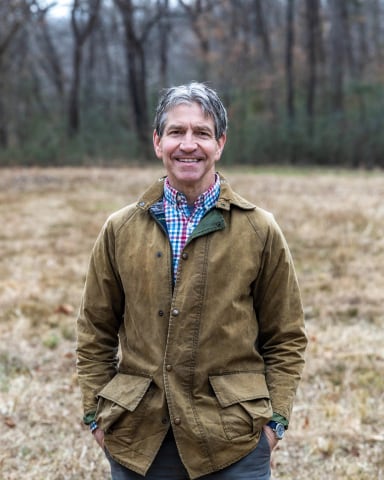
Paul Barringer
D Democratic nominee for U.S. House, NC-13
Has not served in Congress
- On the ballot
- On the general election ballotNov 3, 2026 · North Carolina US House 13
- Where to vote
- Find your polling place (opens in a new tab) · More ways to vote
- Top priorities
- Affordable Healthcare
- Agriculture & Farming
- Veterans Support
- Conservation & Public Lands
- Tariffs
- Money
- $1.2M raised, $805.6K spent, $409.5K cash on hand (through Oct 14, 2026). Where it comes from
- Who gives
- 15% of individual money from donors at $200 or less · 59% from North Carolina · largest committee giver COMMUNICATIONS WORKERS OF AMERICA - COPE POLITICAL CONTRIBUTIONS COMMITTEE, $5K
- Backed by
- AFL-CIO · The Committee to Protect Health Care · The Communications Workers of America and 15 more. As the campaign lists them
12 priorities from paulbarringer.com, in the order they are listed there. Every heading and the text under it is copied exactly, as one passage for each page it is from, and links to that place on the page; hover a source to see which passage it opens.
I believe every American should have access to affordable, quality healthcare. We need practical, long-term reforms that can bring down costs over time while ensuring that no one is left behind. A big part of the problem is unnecessary and duplicative treatments, along with administrative inefficiencies and wasteful spending, which we can address through smart regulation and market-driven solutions. The reason we have programs like Medicare and Medicaid in the first place is because the market fails to cover the needs of seniors, low-income families, and those with disabilities. It’s our responsibility to continue supporting these vital programs to ensure these individuals can get the care they need. The goal isn’t just to reduce costs—it’s to improve health outcomes for everyone and ensure that no one has to choose between healthcare and other basic needs.
source ↗ (opens the page at this passage) · paulbarringer.com/priorities
Heading as listed on paulbarringer.com ↗ (opens paulbarringer.com at this heading)
I grew up on a farm, and we’re still trying to keep the farm going. Agriculture is the backbone of our economy and our communities, and I support policies that protect family farms, promote fair markets, and reduce unnecessary federal red tape. I believe in standing up for our farmers—not just in good times, but when disaster strikes—and keeping agriculture strong as a cornerstone of American strength and independence. That includes fighting for fair trade policies that open, not close, foreign markets to our agricultural products, and opposing unnecessary tariffs that hurt our farmers’ ability to export what they produce. We should also invest in rural infrastructure, preserve farmland for future generations, and ensure farmers have access to the tools and technologies they need to succeed.
source ↗ (opens the page at this passage) · paulbarringer.com/priorities
Heading as listed on paulbarringer.com ↗ (opens paulbarringer.com at this heading)
I believe our country has a duty to honor its commitments to veterans through strong, efficient support systems that prioritize both fiscal responsibility and moral obligation. Supporting veterans is both about benefits and about upholding the values our veterans served to protect, including personal responsibility, community support, and a government that works effectively for those who earned it. I support fully funding the VA while streamlining bureaucracy to ensure timely access to quality health care, mental health services, and job training. I’m fully committed to protecting the expanded benefits granted to veterans with the passage of the PACT Act. Where possible, we should also expand public-private partnerships to reduce wait times and bring care closer to home. I am particularly committed to supporting and enhancing those VA facilities that serve vets in the communities in our district.
source ↗ (opens the page at this passage) · paulbarringer.com/priorities
Heading as listed on paulbarringer.com ↗ (opens paulbarringer.com at this heading)
From national forests and wildlife refuges to community trails and state parks, public lands provide space to hike, hunt, fish, camp, climb, and connect with nature. They also play a vital role in preserving clean water, healthy ecosystems, and local economies. I believe in protecting and managing our public lands through common-sense conservation, as part of our responsibility to future generations. That means preventing the sale or privatization of federal lands, supporting science-based stewardship, and investing in maintenance and access so these lands remain open and safe for all. We should also work in partnership with local stakeholders to manage lands responsibly, including through active forest management to prevent wildfires, sustainable grazing and timber practices, and supporting voluntary conservation easements on private land. I support full funding for the Land and Water Conservation Fund, expanded access to trails and public land for underserved communities, and policies that protect biodiversity and clean water while respecting the needs of local residents.
source ↗ (opens the page at this passage) · paulbarringer.com/priorities
Heading as listed on paulbarringer.com ↗ (opens paulbarringer.com at this heading)
I believe in fighting for American producers and workers through smart, long-term strategies, not short-term fixes like blanket tariffs that can backfire on the very people they’re meant to help. While targeted trade enforcement has a role in addressing unfair practices, broad tariffs function like a tax on consumers, especially hurting farmers, small manufacturers, and rural communities who rely on affordable materials and access to international markets. Instead of doubling down on punitive tariffs, we should be investing in American competitiveness – revitalizing domestic industry, rebuilding supply chains, enforcing fair trade rules through diplomacy and multilateral pressure, and ensuring our workers can compete on a level playing field.
source ↗ (opens the page at this passage) · paulbarringer.com/priorities
Heading as listed on paulbarringer.com ↗ (opens paulbarringer.com at this heading)
I believe in strengthening our relationships with our allies and partners around the world, based on mutual respect, shared values, and free, fair trade. Our economy and security depend on strong ties with like-minded democracies. However, we must be clear: while we pursue cooperation and diplomacy with our friends, we should not compromise our principles. We should not cozy up to dictatorships or authoritarian regimes that undermine human rights, freedom, and the rule of law. America’s role in the world should reflect our values of democracy and justice, and we should lead by example, not by appeasement.
source ↗ (opens the page at this passage) · paulbarringer.com/priorities
I believe in a secure border and a fair, legal immigration system. We can—and must—do both. For too long, both parties have used immigration as a political football instead of coming together to solve real problems. Border security is a basic function of government, and we need smart, effective enforcement to stop illegal crossings, drug trafficking, and exploitation. At the same time, we need to modernize our legal immigration system to meet workforce needs—especially in agriculture, health care, and tech—and to ensure people who play by the rules have a clear path forward.
source ↗ (opens the page at this passage) · paulbarringer.com/priorities
I believe in fiscal discipline and living within our means. Our nation can’t keep borrowing from the future—we need to get serious about spending restraint and work toward a balanced budget. I believe we need to be honest about how we got here. During Donald Trump’s first term, the federal debt grew by nearly 40%, while under Joe Biden the national debt increased by about 25%. That’s not sustainable, and it’s neither conservative nor progressive—it’s just irresponsible. If we want to secure our economy for the next generation, we need to stop the finger-pointing and start making tough, responsible choices—no matter who’s in office.
source ↗ (opens the page at this passage) · paulbarringer.com/priorities
I’m a proud supporter of our public schools and the teachers who show up every day to give our kids the best shot at a strong future. But I also believe parents should have a real seat at the table when it comes to what’s being taught in the classroom. Families deserve to know what their children are learning and to be part of the conversation. Our schools work best when there’s trust and teamwork between parents, teachers, and local school boards—when we listen to each other and put kids first. That’s how we build an education system that reflects our values and prepares the next generation to thrive. I also support service programs for older youth that combine education, vocational training, and community service. I believe programs like this offer an opportunity to build skills and resiliency while strengthening responsibility and national unity.
source ↗ (opens the page at this passage) · paulbarringer.com/priorities
I strongly support law enforcement and the vital role police officers play in keeping our communities safe. I believe in ensuring officers have the resources and respect they need to do their jobs. At the same time, I believe in second chances and compassion. Supporting the police and supporting rehabilitation are not opposing values—they’re both essential to a just and safe society. Many people who have broken the law are capable of turning their lives around, and we should support efforts to help them re-enter society, find work, and contribute in a positive way. That’s why I worked for years in the prison system teaching literacy, helping inmates find employment after release, and doing bible study.
source ↗ (opens the page at this passage) · paulbarringer.com/priorities
We must approach reproductive healthcare by creating policies that bring people together and supports them, not drive them apart. I believe that we should be doing all that we can to support women, families, and children before and after birth. That means investing in maternal health, expanding family planning and access to contraception, enhancing adoption and foster care systems, and making sure no woman feels like abortion is her only option. However, the law should not be an impediment to a woman making the health care choices she needs to make with her doctor.
source ↗ (opens the page at this passage) · paulbarringer.com/priorities
As a responsible gun owner, I believe in the Second Amendment and the right of law-abiding citizens to own firearms, and I also believe we can do more to keep our communities safe. My family taught me about responsible gun ownership, including the importance of safety and respect for firearms. We need to enforce the laws already on the books, while also working together—across party lines—to find common-sense solutions that reduce gun violence, keep guns out of the hands of dangerous individuals, and protect both our rights and our communities.
source ↗ (opens the page at this passage) · paulbarringer.com/priorities